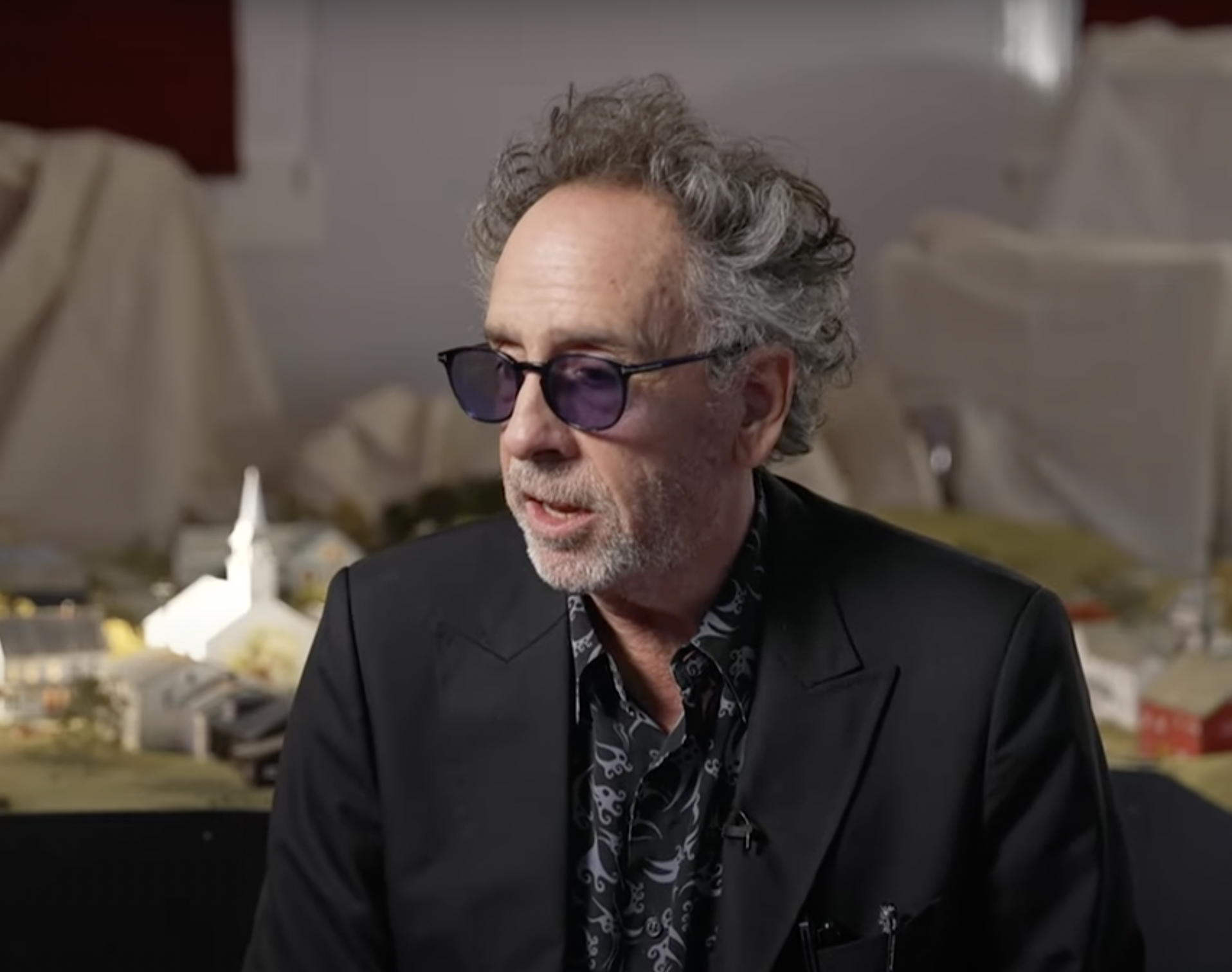
Tim Burton has explained his casting choices after Beetlejuice 2 was branded ‘racist’.
Beetlejuice Beetlejuice has gained popularity online after being released in September and starring some of the original cast from the 1988 classic such as Winona Ryder, Catherine O’Hara, and Michael Keaton.
New actors joined the cast too, including Jenna Ortega.
However, some viewers of the new instalment have shared disappointment in the lack of diversity with Burton’s casting choices.
One fan wrote on X; “I’m glad people are calling out Beetlejuice Beetlejuice for its racist depiction of black people. The only time black people are in the movie is for a soul train joke. The movie was good but Burton needs to realize that including minorities as people isn’t gonna kill him,”.
A second agreed; “The Soul Train scene in Beetlejuice was so unnecessarily racist and confusing.”
While another said; “Tim Burton never having black people in his films, only to have a stereotypical ‘soul train’ bit in the new Beetlejuice definitely made me uncomfortable.”
The scene mentioned referred to the legendary 70s show Soul Train, which celebrated Black singers and artists in the music scene, particularly hip-hop, soul and R&B.
This is not the first time Burton has been called out for his lack of diversity. While promoting Miss Peregrine’s Home for Peculiar Children, the director defended his choice of casting;
“Nowadays, people are talking about it more … things either call for things, or they don’t.”
“I remember back when I was a child watching The Brady Bunch and they started to get all politically correct, like, OK, let’s have an Asian child and a Black – I used to get more offended by that than just – I grew up watching blaxploitation movies, right? And I said, that’s great. I didn’t go like, OK, there should be more white people in these movies.”
Despite the controversy, Beetlejuice 2 is reported to be earning over $250 million at the box office.