President Donald Trump’s decision not to wear a black suit at Charlie Kirk’s memorial service in Glendale, Arizona, followed guidance issued by the event’s organizers, who asked mourners to arrive in “Sunday Best—Red, White, or Blue,” a patriotic color scheme published on the official event website and reiterated by outlets covering attendee instructions. The dress code, displayed on the Fight for Charlie site, stated plainly: “DRESS CODE: Sunday Best– Red, White, or Blue.” Local and national reports before and during the service repeated the guidance, which framed attire as a tribute to Kirk’s public identity and to a program designed as a mix of worship and national symbolism inside the NFL’s State Farm Stadium.
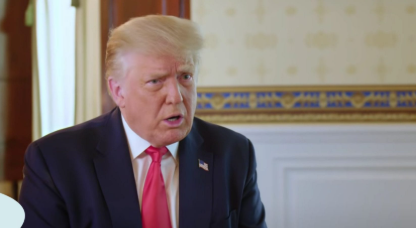
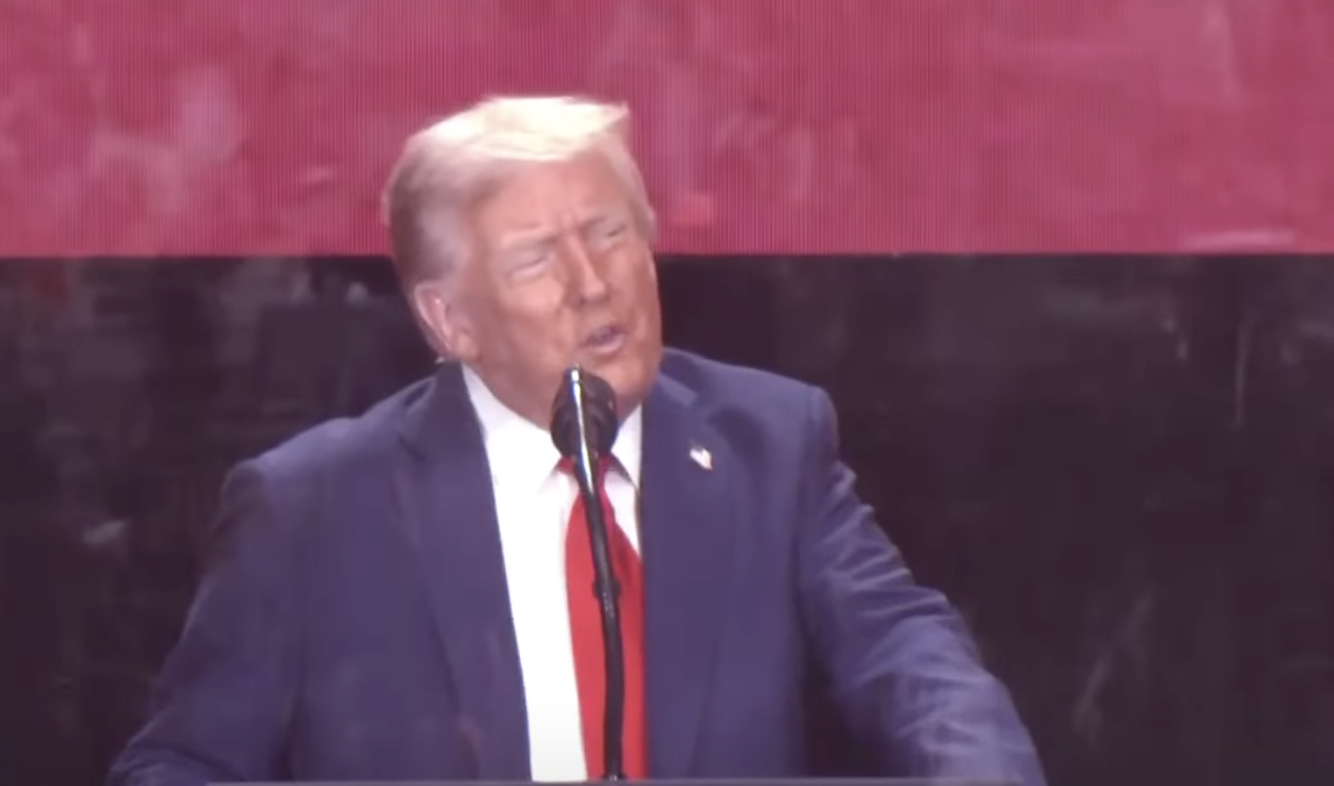
Photographs and broadcast images from the stadium show Trump in a dark suit with a white shirt and a red tie as he addressed the crowd and later embraced Kirk’s widow onstage, attire consistent with the request for red, white and blue rather than traditional mourning black. A Getty Images caption identified the appearance as part of the Glendale program on 21 September, and ABC News’ live package of images from inside the arena likewise depicted the president in a dark suit with a bright red tie. While some online commentators complained that he had not worn black, coverage pointed back to the organizers’ published preference for patriotic colors as the primary explanation for the visual tone of the event and the clothing worn by headliners and many in the audience.
Turning Point USA, which produced the service, also asked attendees to forgo bags and to plan for airport-style screening, part of strict protocols described in pre-event advisories. Fox affiliates in Arizona and national aggregators summarized the guidance and singled out the dress code, noting that guests were urged to come in their “Sunday best” and that red, white and blue were “preferred” colors. The framing placed formality and patriotic symbolism over conventional funeral black, and reporters described large numbers of attendees arriving in apparel that matched the palette—sports jerseys and hats among them—giving the memorial an atmosphere several outlets compared to a religious revival blended with a political rally.
Inside the stadium, the program’s tone and staging reinforced the rationale for the attire request. Reuters, the Financial Times and other organizations described a capacity or near-capacity crowd listening to tributes that cast Kirk as a conservative “martyr,” with Christian worship music and patriotic motifs throughout the hours-long event. Photographers captured swathes of red, white and blue in the stands, and The Guardian’s dispatch noted that “mourners obliged the red, white and blue ‘Sunday best’ dress code,” a detail that aligned with images from wire services. The effect was deliberate: a color field drawn from the U.S. flag rather than the monochrome of traditional Western mourning.
The choice also fits within broader Western funeral etiquette, under which black remains the most traditional option but dark navy and charcoal are widely accepted alternatives, particularly when circumstances or family wishes suggest a different emphasis. Advice from funeral directors and menswear guides alike describes dark navy as a respectful substitute for black and lists conservative red, navy or gray ties among acceptable options when black is not stipulated. In this case, organizers did stipulate a palette—red, white and blue—while also calling for “Sunday best,” a churchgoing idiom that signals formality more than a specific color requirement.
The contrast with an earlier, unrelated controversy around Trump’s attire at a separate high-profile funeral underlines the role that hosts and venues play in setting expectations. In April, coverage of Pope Francis’s funeral in Rome highlighted a Vatican advisory for “a dark suit with a long black tie,” a strict standard many outlets said guests were asked to follow. Trump was photographed then in a blue suit, prompting criticism that he had departed from an explicitly black-and-white protocol. By comparison, the Glendale memorial’s published guidance pointed attendees toward national colors, and Trump’s navy-and-red ensemble aligned with what the organizers had chosen to emphasize in their own materials.
Other prominent attendees made different choices within that framework. LiveMint reported that Elon Musk arrived in an all-black suit with a white shirt, conforming to conventional funeral norms but not to the event’s preferred color scheme. The same report repeated Turning Point USA’s guidance—“Sunday best” with a preference for red, white and blue—underscoring that the rule was advisory rather than mandatory and that formal black remained within the bounds of respectful attire. Photographs in wire-service galleries showed a mix: officials and supporters in dark suits, clusters of mourners in flag-themed clothing and hats, and white garments worn by some family members and speakers.
The setting and scope of the Glendale service also help explain why organizers steered away from black. Newsrooms on the scene described the event as a mass gathering with political overtones, staged in an NFL stadium and drawing tens of thousands, with Turning Point Action running voter-registration tables and musicians performing patriotic standards. In that environment, the published color guidance shaped a collective visual tribute while preserving the formality that “Sunday best” implies. The Guardian’s on-the-ground report recorded that mourners filled the venue with “stars, stripes and Maga hats,” a reflection of how the attire request played out across a broad public audience.
Trump’s wardrobe therefore tracked the hosting organization’s stated preferences at this particular memorial. The president traveled to Arizona, delivered a combative eulogy that drew both applause and criticism, and appeared throughout in a dark suit consistent with the published palette. The choice followed the organizers’ emphasis on national colors and on a service designed to blend remembrance with movement messaging. Photographers’ captions and live feeds from major outlets showed the president’s red tie and dark jacket clearly against a backdrop of giant screens, banners and an image of the deceased that dominated the stadium bowl.
The attire question arose amid broader scrutiny of the service itself, which drew cabinet members, Vice-President JD Vance and other senior figures, and which turned in part on the juxtaposition between Erika Kirk’s call for forgiveness and Trump’s more confrontational tone. News organizations recorded that the widow received a standing ovation after declaring, “I forgive him,” referring to the 22-year-old charged in the killing; Trump later praised her husband as a “martyr for American freedom.” The visuals of the day—red-white-and-blue clothing in the stands, a dark navy suit and red tie onstage, and the widow’s embrace with the president—were consistent with a memorial that organizers had intentionally framed as an expression of faith and national identity as well as grief.
For attendees, compliance with the published dress code appeared extensive. The Fight for Charlie website set the preference in advance; Fox outlets and other media amplified it; and images from inside the stadium documented how it was carried through. In that context, the absence of black in Trump’s ensemble read less as a breach of etiquette and more as adherence to a host’s explicit direction about tone and appearance, one that privileged patriotic colors over traditional mourning attire in a high-visibility public event.
That reading is reinforced by the way etiquette authorities define “right” and “wrong” at funerals. While the default in many Western settings is black, established guidance emphasizes deference to the wishes of family or organizers. Under those norms, posted instructions take precedence; if a family stipulates bright colors in celebration of life, guests wear bright colors; if a church asks for conservative dress, guests wear conservative dress. Turning Point USA’s instruction to wear “Sunday Best—Red, White, or Blue” functioned as precisely that kind of stipulation. Trump’s attire, as shown in wire photos and live coverage, reflected the published request.
The question of why a sitting president did not wear black at a funeral therefore has a prosaic answer rooted in the organizers’ publicly posted guidance and the memorial’s chosen symbolism. The Glendale service was conceived and choreographed as both a remembrance and a rallying moment for a movement Kirk helped lead. The published dress code called for national colors. The president dressed accordingly. The visual result—a sea of red, white and blue punctuated by formal dark suits and occasional black—was captured in images that defined the day’s narrative as much as the words spoken from the stage.
At a different funeral in a different jurisdiction with a different set of rules, the expectation was reversed. In Rome in April, the Vatican asked male guests to wear formal black for Pope Francis’s funeral. Trump’s choice of blue then drew criticism because it ran counter to an explicit black-tie guidance tied to papal protocol. In Glendale, by contrast, the hosts chose to emphasize patriotic colors, and the president’s dark suit and red tie aligned with the standard they set for the thousands in attendance. The point of reference in each case was the published rule, not a generalized presumption about black clothing at funerals.
What could be gleaned from the record by Sunday night and into Monday was straightforward: the memorial’s organizers asked for “Sunday Best—Red, White, or Blue”; many mourners dressed to that request; and Trump’s attire matched the guidance rather than the black that is commonly, but not universally, expected at Western funerals. With the organizers’ preference documented in advance on the event site and repeated by broadcasters and local media, the president’s wardrobe choice was of a piece with the day’s intentionally patriotic staging and message.