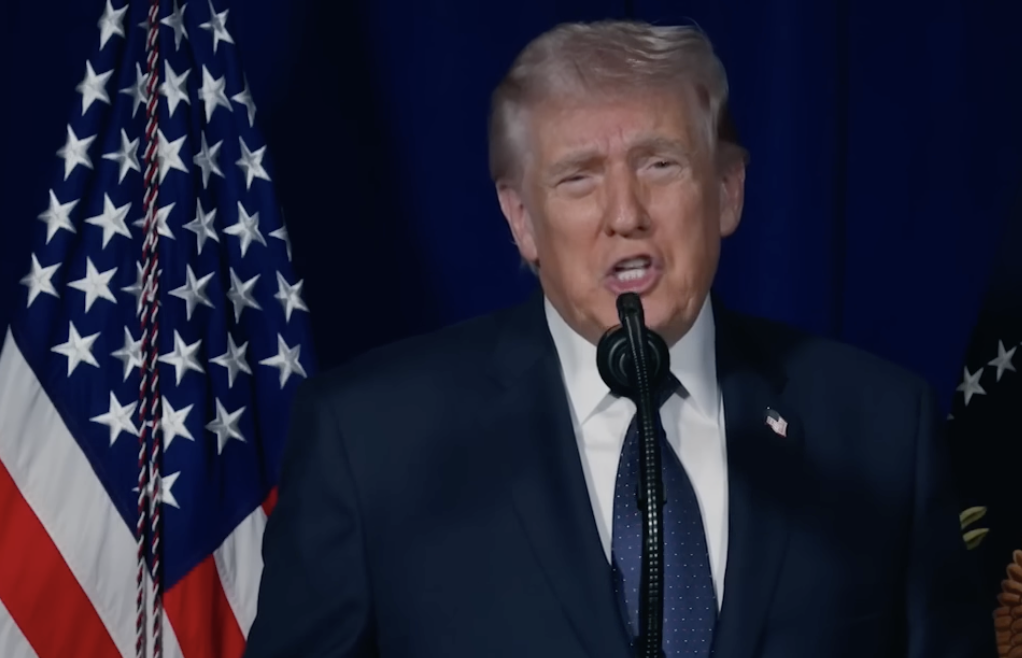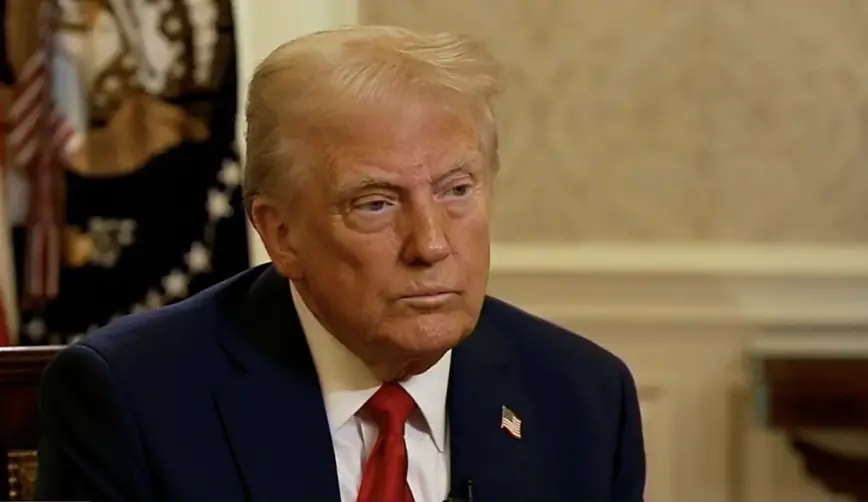
US President Donald Trump has confirmed that his administration is actively considering whether to reclassify marijuana under federal law, signalling what could become one of the most consequential shifts in national drug policy in decades. Speaking to reporters during a press briefing, Trump said officials were reviewing cannabis’s current legal status and expected to reach a determination in the coming weeks. He described the issue as complex and said he had heard both positive reports about medical use and warnings about potential harms.
At present, marijuana is categorised as a Schedule I substance under federal statutes, placing it alongside drugs deemed to have no accepted medical use and a high potential for abuse. A change to Schedule III would acknowledge medical applications and lower abuse risk, though it would not legalise recreational use nationwide. Such a move would represent a substantial departure from decades of federal policy, even as individual states continue to expand access to cannabis for both medical and recreational purposes.
The possibility of reclassification had been raised during the previous administration but never advanced to completion. Trump’s confirmation that the review is under active consideration has renewed debate across political, medical and business circles. Advocates for reform argue that lowering marijuana’s classification could ease restrictions on scientific research, allowing broader study of its therapeutic potential. They also note that businesses operating legally under state laws face persistent challenges because of cannabis’s federal status, including banking barriers and limits on tax deductions. A shift to Schedule III could reduce some of those constraints.
Critics warn that rescheduling marijuana may be interpreted as a broader softening of drug policy at a time when concerns about substance misuse remain high. Some officials in law enforcement and public health believe the change could send a mixed message about cannabis safety, particularly for young people. They argue that federal authorities should evaluate long-term impact carefully before altering the national framework.
Trump’s comments highlight the political sensitivity of the issue. While he acknowledged hearing favourable accounts regarding medical applications, he also emphasised that he had been warned of negative consequences associated with widespread recreational use. He characterised the decision as difficult, reflecting divergent views within his own political base. Some Republican voters and lawmakers see cannabis reform as a practical adjustment to shifting social attitudes, while others regard any easing of restrictions as incompatible with a tough-on-drugs stance.
Any reclassification would require regulatory review by federal agencies, including health and justice officials. If approved, marijuana would continue to be regulated but under a category more in line with substances used in medical treatments. Interstate commerce would remain restricted, and states that prohibit cannabis could continue to do so. Nonetheless, reclassification could set in motion changes across parts of the medical, research and commercial sectors.
The potential policy shift comes at a time of rising public support for cannabis reform. Polling in recent years has indicated majority approval for some form of legal access, although divisions remain over full legalisation versus controlled medical use. Industry groups have been preparing for possible federal changes, arguing that existing laws are outdated and create conflicts between state and federal regulation.
For now, Trump has made no firm commitment and officials have stressed that the review is ongoing. The administration must weigh scientific evidence, social impact and legal considerations before taking a final decision. Until a formal announcement is made, marijuana remains a Schedule I substance under federal law.
Trump’s confirmation that reclassification is under active consideration marks a significant moment in the long-running national debate over cannabis. Whether it ultimately leads to a change in federal drug policy will depend on both regulatory findings and political judgment in the months ahead.