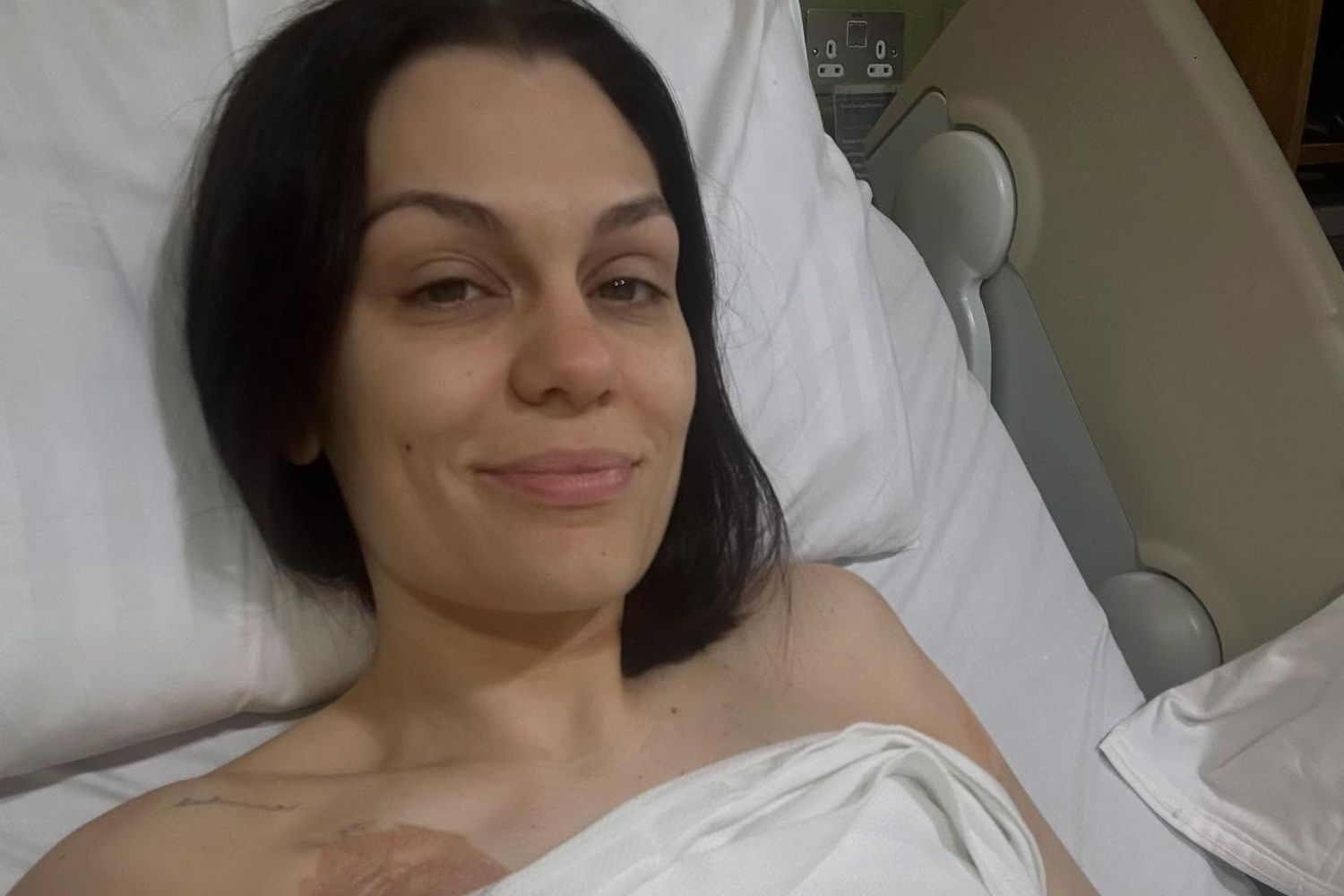
Jessie J has said she was diagnosed with breast cancer in March after finding a lump and pushing for tests, describing the moment she received the results as a shock that immediately made her think about her young son. In an interview with The Guardian, the British singer-songwriter, whose real name is Jessica Cornish, said she went for an ultrasound and was initially told it “looks like nothing”, but insisted something felt wrong and agreed to a biopsy.
Cornish told the newspaper the biopsy took place on 28 March, the day after her birthday, and that she was told she would receive a call on the Monday if the news was bad. She said she had convinced herself it would be fine, but received a message and joined what she assumed would be a routine video call, only to be asked if she was sitting down.
In the same interview, Cornish said the doctor told her her test results had come back as “high-grade cancer cells”. Cornish said her immediate reaction was bluntly practical, adding: “The first thing I thought was, ‘I can’t die because my son needs me.’”

The singer, best known for hits including Price Tag and Domino, has spoken publicly in recent months about undergoing surgery and about the emotional impact of balancing treatment with parenting. In an interview reported by The Independent, she said it was “hard” to feel present as a mother while going through the early stages of diagnosis and treatment, adding: “It feels like I can’t be a mum. I can’t be present. I’m being robbed of all these memories.”
Cornish’s account of the past year has included details of how her diagnosis intersected with her return to releasing new music after a long gap. In The Guardian interview, she described preparing for her first album release in eight years when she was diagnosed, and said that by the time she began promoting new material publicly, she was living with what she called “a mighty secret”.
She said her first single, No Secrets, was released in April, and that she continued giving interviews about her life and work while keeping her diagnosis private. “I come out with a song called No Secrets. I’m doing every interview, and they’re, like, ‘So what’s new with you?’ and I’m, like, ‘Erm, yeah, nothing …’” she told The Guardian.
Cornish said she went public about her cancer a month after that release and underwent a mastectomy in early July. She described the lead-up to surgery as “terrifying and absurd”, saying she hated being put under anaesthetic and recalling being walked down to theatre in a gown. She said she felt she had been fortunate in her course of treatment and told the newspaper: “No chemo, no radiotherapy, just the op.”
She also described the experience of being told her cancer had been found early, saying: “Cancer sucks, man, but you know what? Thank fuck I found it early.” She added that she was waiting for reconstructive surgery and had cancelled tour dates as she recovered and planned further treatment.
The details Cornish has shared about her health have been set against a longer history of medical problems she says have often arrived at key moments in her career. In The Guardian interview, she spoke about being diagnosed with Wolff-Parkinson-White syndrome as a child, a heart condition that can cause an abnormally fast heartbeat, and said she had health crises that coincided with professional highs.
She also told the newspaper she had suffered a stroke at 17, describing how she was on a train when “my face dropped”, and said she spent weeks in hospital. She recounted other injuries and illnesses in later years, including a car crash and vocal problems that affected her ability to sing, framing them as experiences that shaped how she responded to the cancer diagnosis.
For Cornish, she said, the emotional stakes of the diagnosis were sharpened by the fact she is the mother of a toddler after years of trying to conceive. She referenced the struggle to become a parent and spoke about how her perspective on illness has shifted now that she is raising her son, a theme that has also surfaced in her other recent comments about the impact of treatment on daily life and family routines.
Cornish’s public statements have also emphasised the speed with which she sought medical advice once she noticed symptoms, and how she insisted on further investigation when she did not feel reassured by initial tests. In The Guardian interview, she said she could feel the lump and experienced “an achy arm” and “pins and needles” in her hands on waking, pushing her clinicians to take a biopsy despite early indications it might be benign.
Her description of the diagnosis process and her treatment decisions has prompted a wave of reaction online, including supportive messages and discussion among fans about early detection and the reality of continuing to work through illness. Where those reactions go beyond Cornish’s own public account, they remain personal responses rather than medical evidence, but her insistence on getting checked has been a recurring point in public discussion around her story.
Cornish has not suggested she is the only public figure to face breast cancer, but her disclosure has put the issue into the public conversation again at a moment when she had been preparing a major comeback. She told The Guardian the experience had affected the way she approaches work and daily life, saying health crises have repeatedly forced her to reassess what matters, and that the latest diagnosis had intensified that focus.
She said her parents had worked hard when she was young to ensure illness did not define her, and that approach has influenced how she speaks about her cancer now. “My mum and dad always did such a great job of not making that the definitive thing in my life, and not making me define my character by my worst days,” she told the newspaper, adding that those experiences have carried into adulthood.
Cornish’s recent comments, including the statement that she could not die because her son needed her, underline how she has framed the diagnosis less as a celebrity headline and more as a personal crisis taking place alongside everyday responsibilities. Her account has been one of interruption, with treatment shaping schedules, live plans and family time, and of recalibration, as she continues recovery and awaits further surgery.