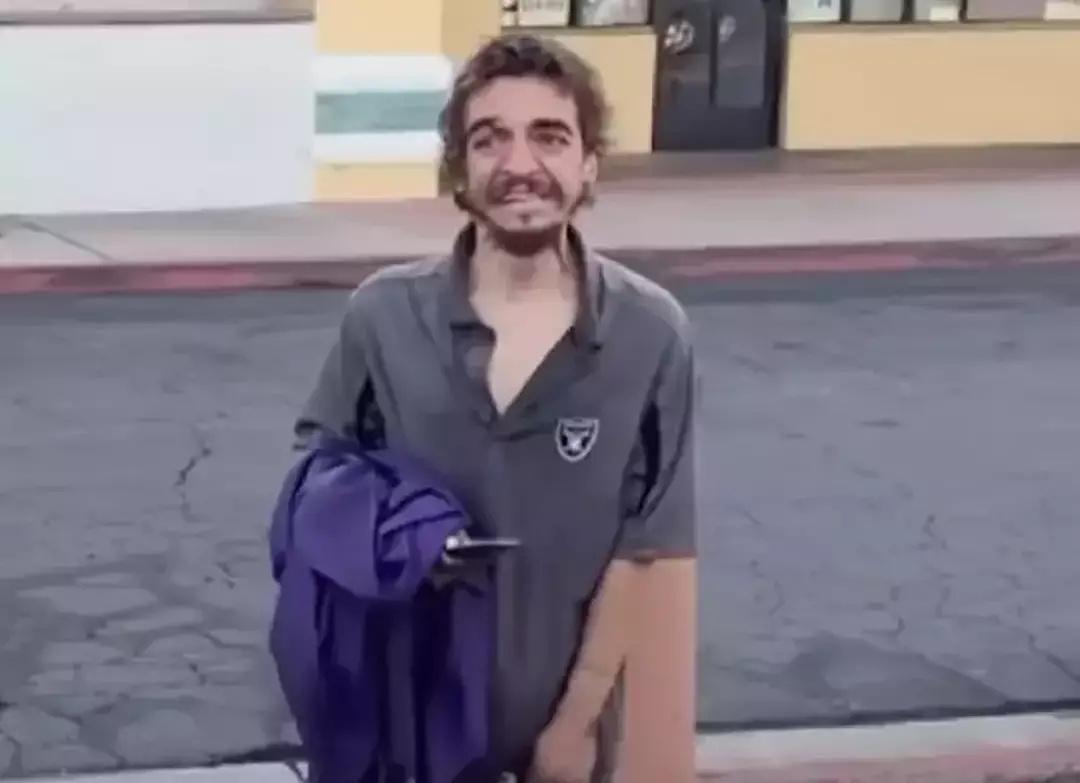
Former child actor Tylor Chase, best known for playing Martin Qwerly in Nickelodeon’s Ned’s Declassified School Survival Guide, has been released from a short medical hold in California, as friends and supporters continue trying to persuade him to accept treatment while he remains homeless and in crisis.
Chase, 36, was briefly detained under a medical hold after being found in a deteriorated state on the streets of Riverside, according to accounts shared by people involved in attempting to help him, including actor Shaun Weiss and local barbershop owner Jacob “Jake” Harris. Weiss, who played Goldberg in The Mighty Ducks and has spoken publicly about his own recovery from addiction, said the intervention led to a period in which Chase was detoxed and cleaned up, but that the hold ended without a longer-term solution in place.
People familiar with the effort said the hold lasted about 36 hours. Harris, who has been involved in locating Chase and coordinating support, told People the intervention was intended to stabilise him physically and create a window to get professional help arranged, including the involvement of a rehab coach and outreach to family. According to Harris, Chase looked better during that period, but ultimately declined to enter rehabilitation once he was released.
Weiss has used social media to ask the public to stop approaching Chase for selfies and to stop giving him money, arguing that the attention can undermine attempts to guide him towards care. The situation has drawn renewed attention following a series of viral clips and on-the-street encounters over recent months, with some members of the public posting videos of Chase in distress.
The Riverside Police Department confirmed it has engaged with Chase and offered services. Captain Ryan Railsback, the department’s public information officer, told People that officers have “offered him resources several times,” but that he has declined. Police also said Chase has remained cooperative in their contacts with him.
Those trying to help say the core problem is that meaningful treatment requires either voluntary participation or a legal threshold for involuntary detention that is difficult to meet and sustain, particularly once a person is assessed as being capable of making decisions, even if those decisions are harmful. Harris and Weiss have described repeated cycles in which crisis teams or authorities evaluate Chase, provide short-term stabilisation, and then release him back onto the street when longer detention is not authorised.
Chase’s circumstances have resonated with many former child performers and viewers of early-2000s television. He appeared on Ned’s Declassified, which aired from 2004 to 2007, as Martin Qwerly, a recurring character remembered by fans for his awkward humour and adolescent intensity. After the series, his acting credits included a brief role in Everybody Hates Chris and the independent film Good Time Max, before later voice and performance work in the video game L.A. Noire.
In recent weeks, public concern has grown as clips circulated showing Chase in an unwell and dishevelled state, with some social media users alleging he was experiencing mental-health issues and substance dependency. While many online comments have expressed sympathy, others have treated the situation as spectacle, a dynamic Weiss has criticised as dehumanising.
Weiss has framed his involvement as personal, citing his own past struggles with methamphetamine addiction and homelessness before achieving sobriety. He has previously spoken about the way public exposure during his lowest moments intersected with his eventual recovery, and he has described himself as wanting to connect Chase with the kind of sustained support he eventually received.
Supporters say the assistance being sought for Chase is practical and immediate: stable housing, medical evaluation, and a pathway into treatment that can address addiction and any underlying mental-health needs. Harris has described hands-on efforts in Riverside, including finding Chase, feeding him, and trying to keep him warm and clothed, while simultaneously contacting services and attempting to coordinate a more structured plan.
The story has also prompted intermittent outreach from people connected to Chase’s former work. Fellow cast members have expressed concern publicly, with some attempting to locate him or offer help, according to reporting and statements cited by outlets covering the case. In one update carried by The Independent, Weiss said: “My only hope is that from this exposure, someone with real understanding and resources can step in, get Tylor into treatment, and help him get back on track. We all want a happy ending.”
For those trying to intervene, the last several days have been described as a frustrating mix of progress and setbacks. Harris told People that after the hold ended, Chase refused to continue with the next step into rehabilitation, despite the arrangements being pursued. Weiss has portrayed that refusal as consistent with how crises of addiction often unfold, where willingness can change from hour to hour and external pressure can backfire if it turns into confrontation.
Authorities and advocates frequently note that cases like Chase’s highlight the limits of emergency holds as a solution to homelessness, addiction, and untreated mental illness. A brief psychiatric or medical detention may provide a temporary pause, but without long-term follow-through, people can be released back into unstable circumstances with little change in the factors that drove the crisis. Those trying to help Chase have echoed that view, arguing that the gap between crisis intervention and sustained treatment is where people often fall through.
Chase has not made any recent extended public statement setting out his own account of what he wants next, and the people attempting to help him have largely described him as oscillating between moments of clarity and periods where he is unwilling or unable to commit to treatment. Police have said he has declined the resources offered to him. Friends and supporters say the immediate priority remains persuading him to accept help while keeping him safe from the dangers that come with living on the streets, including exposure, violence, and medical emergencies.