France’s decision to grant George Clooney and his wife, the human rights lawyer Amal Clooney, French citizenship has drawn political criticism in Paris and an attack from US President Donald Trump, prompting the actor to respond publicly.
Clooney, 64, and Amal Clooney became French citizens alongside their two children after living for several years at a family property in the south of France, according to reporting from French and international media, as well as statements cited from French government officials.
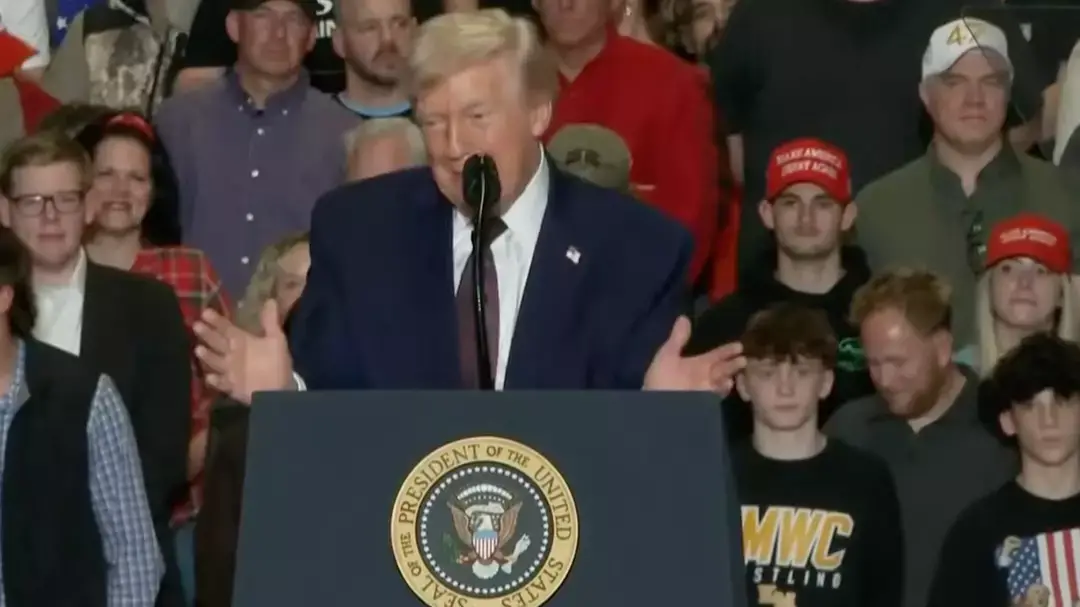
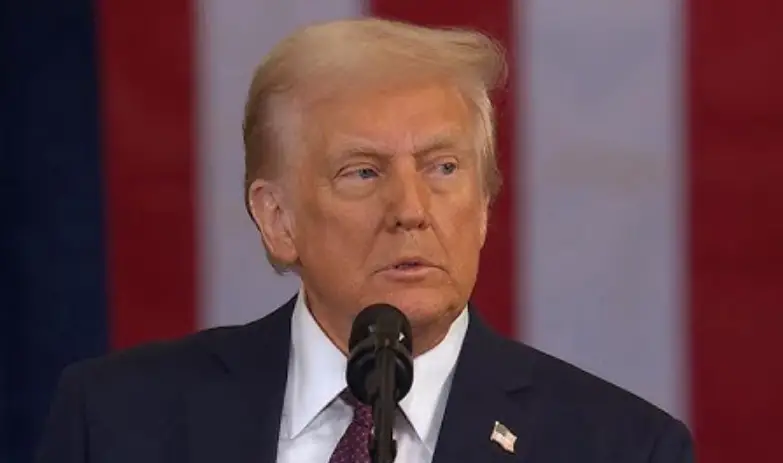
Trump reacted on his Truth Social platform, casting the move as evidence of what he described as France’s broader challenges with crime and immigration, while also criticising the Clooneys’ past political comments. In his post, Trump wrote that the couple were “two of the worst political prognosticators of all time” and said France was “sadly, in the midst of a major crime problem because of their absolutely horrendous handling of immigration”.
Clooney responded in comments published by The Hollywood Reporter and cited by other outlets, saying: “I totally agree with the current president. We have to make America great again. We’ll start in November.”
The dispute has unfolded against a politically sensitive backdrop in France, where the government has tightened language requirements for citizenship applicants under changes coming into force this year. Under the new rules, applicants are expected to demonstrate a level of French language proficiency that could allow entry into a French university, and to pass a civic knowledge test.
The Clooneys’ naturalisation has become a focal point for critics who argue that celebrities can receive expedited treatment not available to others. Marie-Pierre Vedrenne, described in French reporting as a junior interior minister, said she understood “the feeling of some French people of a double standard” and warned officials to be mindful of the message sent by the decision.
Senior officials have defended the move, pointing to legal provisions that allow naturalisation by decree in circumstances deemed to be in France’s interest. In the coverage cited, France’s foreign ministry said the Clooneys’ citizenship “meets the conditions set by law” and followed a “rigorous procedure”, including security checks, interviews at the prefecture and payment of required tax stamps.
The same official explanation described the family as contributing to France’s “international influence and cultural prestige”, linking Clooney’s role in the film industry to the country’s cultural standing and the economic importance of that sector. In its defence of the decision, the ministry also described Amal Clooney as “a renowned lawyer” and said she “regularly collaborates with academic institutions and international organisations based in France”.
A legal basis for such decisions exists in French nationality law, which provides for citizenship to be granted by decree in cases involving “services exceptionnels” to France or where naturalisation presents an “intérêt exceptionnel” for the country, according to published versions of the civil code.
The controversy has also intersected with a broader debate over language rules. Reporting in France has noted the tension between stricter requirements being applied to ordinary applicants and the perception that high-profile figures can be fast-tracked.
Clooney has previously acknowledged that his French is limited. In comments cited in coverage of the citizenship decision, he said he loved French culture and the language, “even if I’m still bad at it after 400 days of courses,” in an interview with RTL.
The actor’s ties to France have grown in recent years. He bought an estate near the Provence town of Brignoles in 2021 and has described the property as the place where his family is “happiest”, according to reporting that cited his remarks.
While Clooney is best known for his film and television career, he has also been a visible figure in Democratic Party politics in the United States and a public critic of Trump. Trump’s Truth Social comments framed Clooney’s political engagement as a bid for attention, arguing that the actor received “more publicity for politics than he did for his very few, and totally mediocre, movies,” and adding: “He wasn’t a movie star at all, he was just an average guy who complained, constantly, about common sense in politics.”
The clash highlights how celebrity and politics can spill into diplomatic sensitivities, even when the underlying act, the granting of nationality, is a domestic French legal decision. In France, the issue has been debated not only as a question of legal eligibility but also as a matter of fairness and symbolism, with officials insisting the decision complied with the law and critics questioning whether the standards are applied consistently.
French officials have also pointed to the scale of naturalisation more broadly, noting that tens of thousands of people acquire French nationality each year by decree. Interior ministry figures cited in reporting put the number at about 48,800 in 2024.
The episode has prompted renewed attention to France’s approach to citizenship, particularly for well-known foreigners who live in the country and have high public profiles. It has also added another flashpoint to the ongoing political feud between Trump and prominent figures in the US entertainment industry who have criticised him, with Clooney’s comments signalling that he intends to engage back rather than ignore the president’s attacks.