A wave of online petitions calling for rapper Nicki Minaj to be deported from the United States has gained traction in recent days, with organisers and supporters urging US immigration authorities to review her status amid a growing backlash over her political messaging and a headline-grabbing appearance at a major conservative event.
The petitions, hosted on Change.org, have been promoted across social media and have attracted a mix of supporters, critics and onlookers debating both their aims and whether they could ever have any practical effect. Several petitions have circulated, with reporting indicating combined totals running into the tens of thousands and, across multiple listings, more than 120,000 signatures.
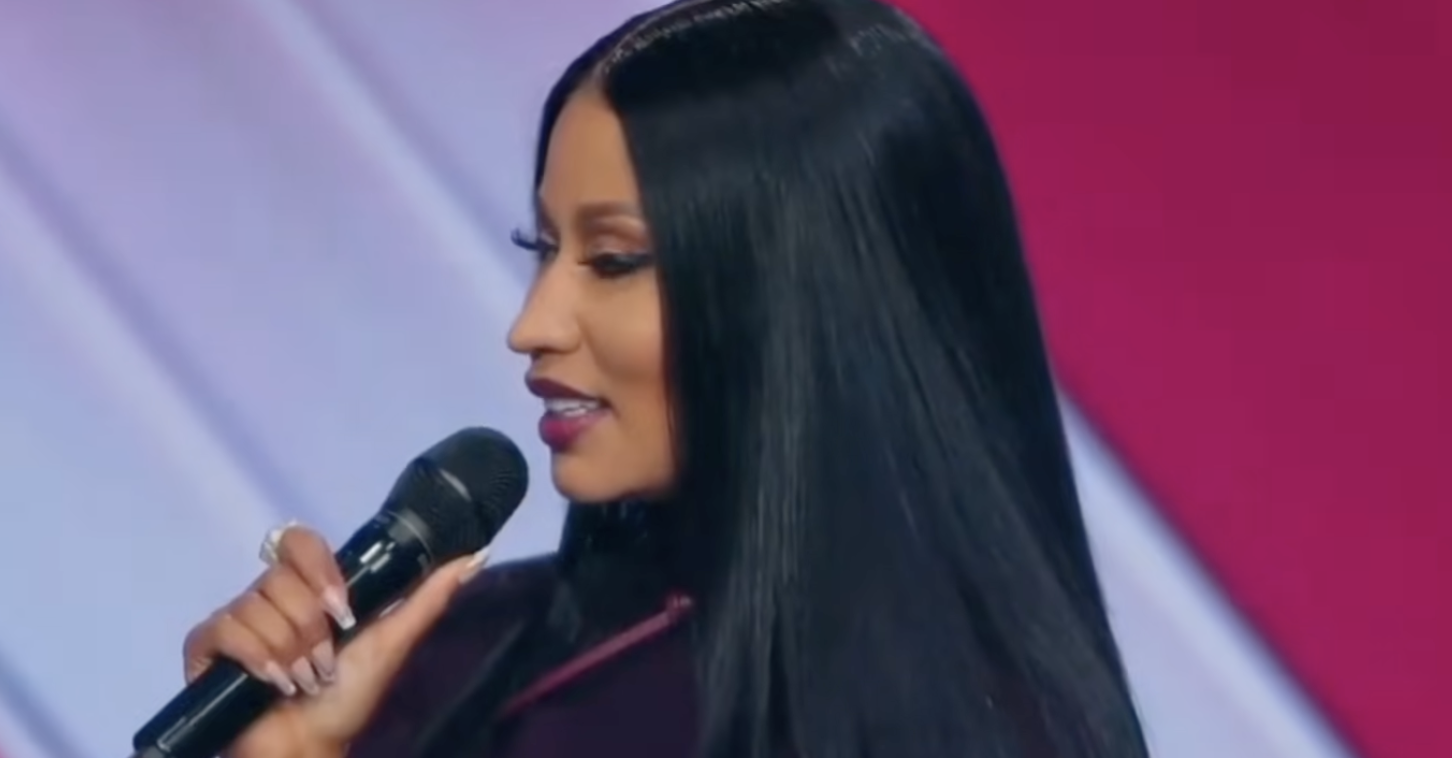
The surge in attention has been linked to Minaj’s December appearance at Turning Point USA’s AmericaFest in Phoenix, Arizona, where she joined the organisation’s chief executive, Erika Kirk, on stage for a closing conversation. Video clips and photographs from the event were widely shared, and the appearance became a flashpoint for critics who argued that Minaj’s political posture had shifted sharply from what they previously associated with her public persona and fanbase.
On stage, Minaj opened with a brief remark of thanks. “I’m honored to be here. I’m honored to be here,” she said after being welcomed to the stage, according to Fox News’ account of the event.
In a separate report describing the petitions’ growth, Hello! said Minaj told Kirk: “I’m honored to be here, thank you for having me.”
For some critics, the event crystallised concerns about Minaj’s recent rhetoric, particularly around culture-war issues and her expressed support for President Donald Trump. In her conversation with Kirk, Minaj offered an explicit statement of admiration for Trump. “I have the utmost respect and admiration for our president. I don’t know if he even knows this, but he’s given so many people hope,” she said, according to People magazine’s report on the appearance.
The petitions’ text and accompanying social media commentary frame the push as a form of accountability, arguing that Minaj’s recent political statements have alienated parts of her audience. One report quoting petition language described the grievance in terms of a perceived reversal, citing her earlier association with LGBTQ+ fans and arguing that her comments now contradict that relationship. “Once a voice for the LGBTQ+ community, she has now flipped her stance, asserting outdated and harmful notions such as ‘boys should just be boys’,” the petition states, according to a Trinidad Guardian report.
Another petition, described by Hello! as created on December 27 by a user named Tristan Hamilton, asserted that Minaj’s actions and words had “left many of her supporters and those who once found solace in her music feeling deeply betrayed.”
The backlash has not been limited to petitions. In the days after AmericaFest, Minaj’s social media presence also became part of the story, with People reporting that she deactivated her Instagram account. The publication said the move came days after the event and amid online reaction to her remarks and political stance.
The petitions’ organisers argue that the campaign is justified because Minaj was born outside the United States, in Trinidad and Tobago, and is not a US citizen. Reporting on the petitions has emphasised that the campaigns are calling for authorities to “review” her immigration status, rather than citing any specific publicly documented change in her legal position.
Some of the petitions and related posts have gone further, tying their criticism to Minaj’s personal life and past controversies, while others focus primarily on political alignment and her remarks at conservative gatherings. The overall effect has been a sprawling online response: some users have framed the petitions as symbolic protest, while others have taken them as a serious attempt to trigger official scrutiny.
Minaj, who rose to global stardom in the early 2010s and has remained one of rap’s most commercially successful artists, has long had an intensely devoted fanbase and an equally long history of disputes playing out in public view. Over the years, her online presence has been central to her relationship with fans, as well as to her feuds, clapbacks and commentary on industry politics. That dynamic has often produced viral cycles of outrage and support, with followers amplifying her statements at speed.
What has made the current episode distinctive is the way it fuses celebrity culture with immigration demands, using the language and mechanisms of online petitioning to escalate a cultural argument into a call for state action. Petition texts circulating around the campaign describe emotional and political betrayal, positioning the push as a response to what they see as a high-profile entertainer aligning with conservative politics and messaging.
Minaj’s remarks at AmericaFest, as reported, also included comments about resisting pressure from critics. People quoted her describing her thinking about public backlash: “I have something inside of me that’s stronger than what’s out there. So when you’ve had enough, you realize, ‘Wait a minute, why do I even care about these people and what they think? Who are they?’ … I’m not going to back down anymore. I’m not going to back down ever again,” she said.
The petitions, however, continue to circulate, boosted by reposts, reaction videos and comment threads that frequently focus less on immigration law and more on the cultural meaning of Minaj’s appearance with conservative figures. For supporters, signing is presented as a direct rebuke. For opponents, it is framed as an overreach or a misunderstanding of what deportation entails and who can lawfully be removed.
No evidence has been presented publicly to show that the petitions have prompted any official immigration process. US immigration enforcement and residency rules are complex, and petition platforms have no authority to compel action. Even so, the campaign’s organisers have portrayed signature totals as a measure of public pressure, and the numbers themselves have become part of the news cycle, with multiple outlets citing totals across different petitions.
For now, the controversy sits at the intersection of celebrity politics, online mobilisation and a broader culture-war environment in which entertainers are increasingly judged not only for their art and personal conduct, but for their perceived place in national political battles. Minaj, who has repeatedly shown a willingness to engage directly with supporters and critics online, remains a central figure in that argument, with petition organisers and opponents continuing to use her words, her appearances and her personal history to make the case for what they believe she represents.