China has demanded the United States release Venezuelan President Nicolás Maduro and his wife, Cilia Flores, after President Donald Trump said US forces carried out strikes on Venezuela’s capital and captured the pair in what he described as a “large-scale” operation.
Speaking at an emergency meeting of the United Nations Security Council in New York, China’s deputy permanent representative to the UN, Sun Lei, said Beijing was “deeply shocked” and “strongly condemns” what he called unilateral and illegal US actions, urging Washington to “immediately release” Maduro and Flores and arguing the operation trampled on Venezuela’s sovereignty and violated the principles of sovereign equality.
China’s condemnation has been echoed in statements attributed to its foreign ministry and diplomatic officials in the days since Trump’s announcement. In remarks carried by multiple outlets, Beijing criticised Washington for what it described as the use of force against a sovereign state and warned against any country acting as “world policeman” or “international judge,” language that reflects a long-running Chinese foreign policy line against unilateral military intervention and extraterritorial enforcement.
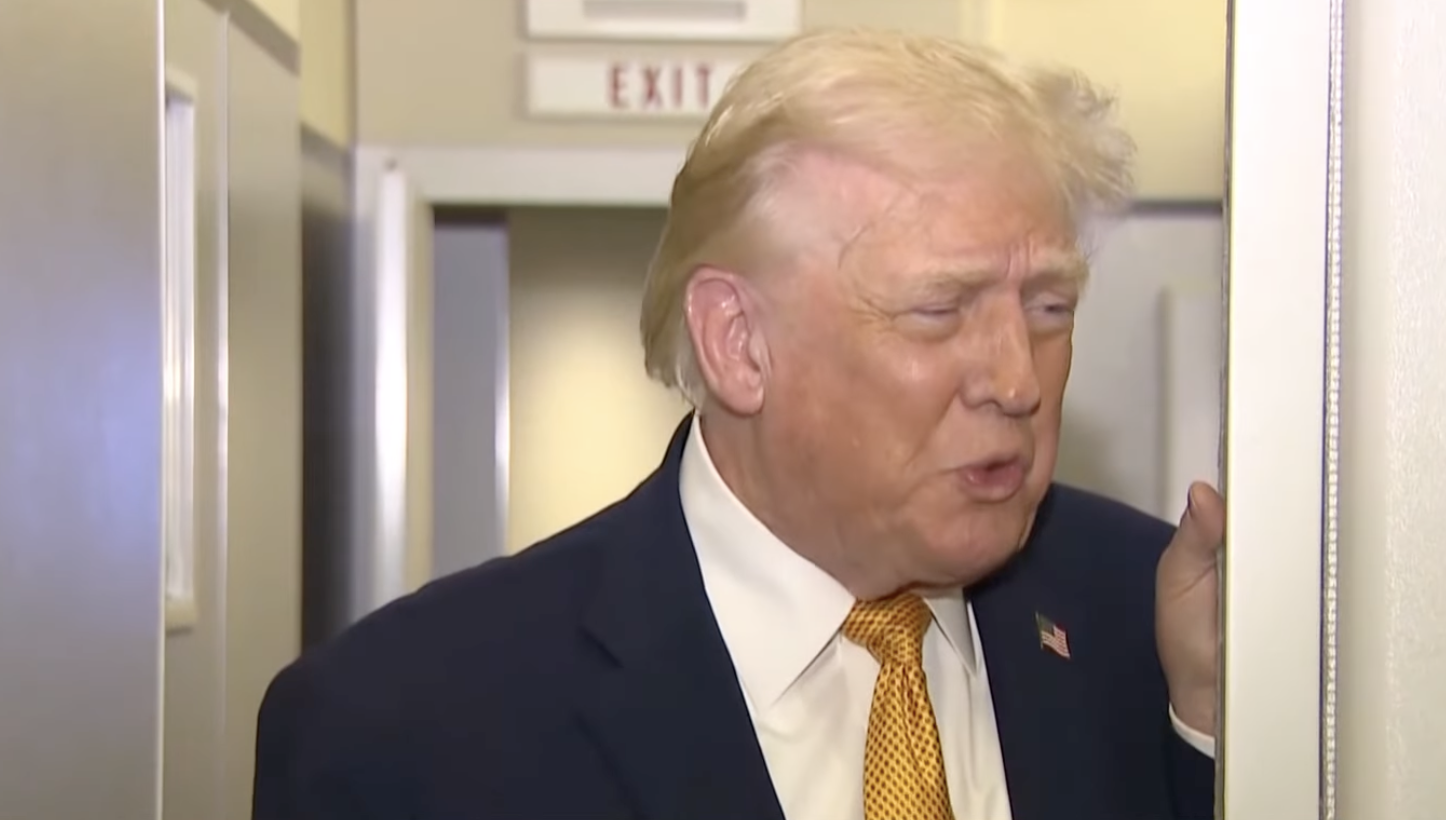
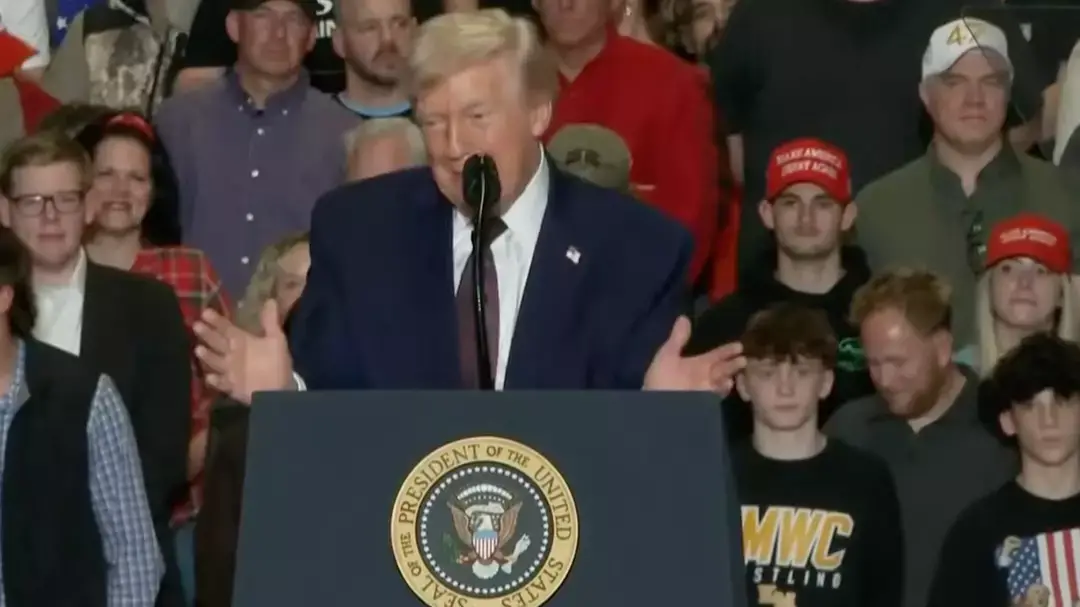
Trump said the United States had captured Maduro after strikes in and around Caracas, framing the move as part of a wider push against alleged criminal activity and promising a new political direction for Venezuela. The Venezuelan government’s remaining leadership has condemned the operation, while Trump has also issued warnings toward Venezuela’s incoming leadership in separate remarks reported by UNILAD.
China’s response has focused on the legality of the operation and the precedent it could set. At the Security Council meeting, Sun portrayed the capture as a direct violation of the UN Charter and a destabilising act in a region where China has expanded its economic and diplomatic ties over the past two decades.
In a separate public response reported by Al Jazeera, Beijing called on the United States to “stop toppling the government of Venezuela” and said the safety of Maduro and Flores should be prioritised. The report described China’s criticism as centred on international law, while noting that analysts expected Beijing’s practical response to remain largely diplomatic rather than military.
China’s language has also been reported by Anadolu Agency, which quoted a Chinese foreign ministry spokesperson as saying Beijing was “deeply shocked” and “strongly condemns” what it called the US “blatant use of force” against a sovereign state and actions taken against its president, and urged Washington to act in accordance with the UN Charter.
For Beijing, the crisis lands on top of a relationship with Venezuela shaped by years of Chinese lending, energy cooperation and political backing during periods of international isolation for Caracas. China and Venezuela have publicly emphasised sovereignty and non-interference, and Chinese officials have repeatedly opposed external pressure on Venezuela’s political system.
The timing has also drawn scrutiny because of reports that Maduro met with a Chinese envoy shortly before the US operation. Fox News reported that Maduro had met a Chinese representative in Caracas hours before his capture, a detail that has fuelled speculation about how much warning Beijing may have had and how it might recalibrate its posture in the region. China’s official statements so far have not suggested it had advance knowledge, instead describing the operation as a shock and a violation of law.
The United States has not publicly signalled any intention to comply with China’s demand to release Maduro. Trump has framed the operation as part of a broader security and anti-crime agenda and as a turning point for Venezuela, a country that has endured years of political repression allegations, economic collapse and mass migration. Trump has also suggested a direct US role in shaping Venezuela’s immediate future, rhetoric that has alarmed governments wary of a return to interventionist policy in Latin America.
China’s pushback is also playing out in a wider context of intensifying great power competition. Beijing has increasingly presented itself as a defender of the UN-led international order, while accusing Washington of selectively applying international norms. In coverage of the Security Council meeting, Sun’s remarks included explicit criticism of what he described as an American “illusion” of being both global police force and court, urging the US to heed international concerns rather than impose outcomes by force.
Beyond the immediate dispute, China’s criticism reflects the strategic value Venezuela has held for Beijing as an energy partner and diplomatic foothold in the Western Hemisphere. Venezuela has some of the world’s largest proven oil reserves, and Chinese leaders have repeatedly underscored cooperation in trade and development. US actions that threaten Venezuelan state stability, or open the door to a US-directed transition, could disrupt Chinese economic interests and reduce Beijing’s influence at a time when Washington has been seeking to curb China’s reach in the Americas.
At the same time, analysts have cautioned that China’s options may be limited. Al Jazeera’s reporting cited assessments that Beijing would likely respond primarily with diplomatic protest, rather than direct confrontation, while seeking to protect its citizens and interests in Venezuela. Any Chinese move to materially challenge US actions in the Caribbean would carry significant risk and could escalate into a broader crisis.
The episode has also triggered wider international reactions. RFE/RL reported that Trump’s announcement drew denunciations from multiple countries, underlining how rapidly the crisis has become a test case for global norms around sovereignty, the use of force and cross-border law enforcement.
In the near term, the focus is likely to remain on Maduro’s status and where legal proceedings would be held if the US intends to put him on trial, and on the security situation inside Venezuela following the strikes. China’s statements have emphasised the need for de-escalation through lawful and multilateral channels, with Beijing positioning itself as a leading voice challenging Washington’s justification for the operation.
For now, Beijing’s message is blunt: the United States should end what China describes as unilateral coercion, release Maduro and Flores, and refrain from attempting to reshape Venezuela’s leadership by force. Whether that demand gains traction at the United Nations, or hardens diplomatic divisions as Washington presses ahead, will shape not only Venezuela’s next chapter but also the tone of US-China confrontation far beyond Latin America.