President Donald Trump has said the United States could “do it again” in other countries after a US military operation in Venezuela that his administration says ended with the capture of Venezuelan President Nicolás Maduro and his wife, Cilia Flores, and their transfer to New York to face criminal charges.
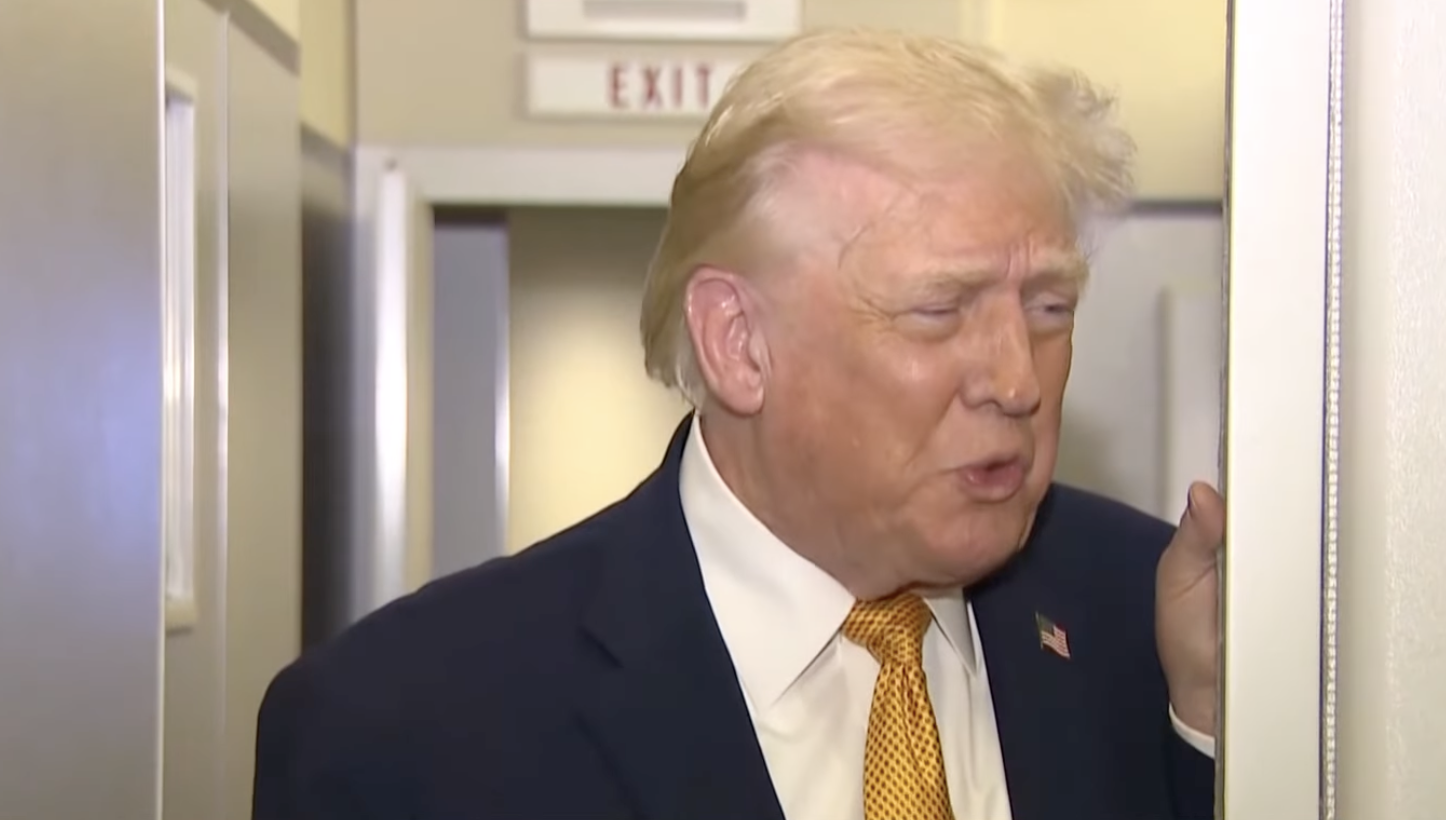
Speaking to reporters aboard Air Force One on Sunday, 4 January, Trump said the US could become “similarly involved” in countries including Cuba, Colombia, Mexico, Iran and Greenland, according to a White House transcript cited by People magazine. The comments followed Trump’s description of the Venezuela operation as an “incredible thing” and his insistence that American power meant there were few practical limits on what Washington could do next.
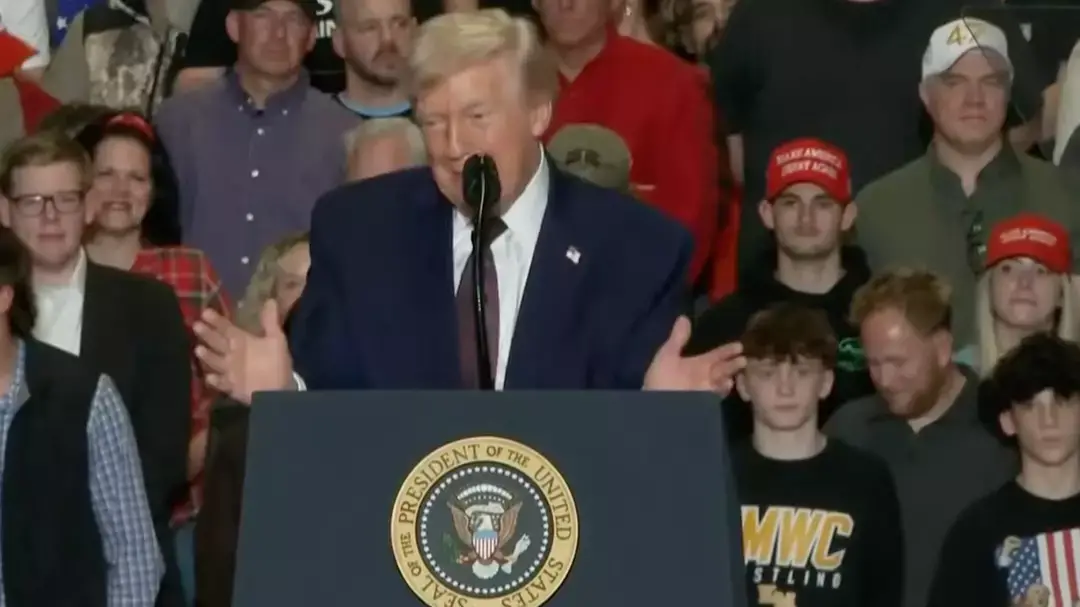
“We can’t take a chance, after having done this incredible thing last night, of letting somebody else take over… We have to do it again. We can do it again, too. Nobody can stop us,” Trump said in a call to Fox & Friends early on 5 January, as quoted by People. “There’s nobody that has the capability that we do.”
The White House has portrayed the Venezuela operation as a mission tied to criminal allegations against Maduro and other figures. Reuters reported that US authorities said the Justice Department sought military assistance to apprehend Maduro, who had been indicted by a New York grand jury along with Flores and other defendants on charges related to terrorism, drugs and weapons. In a social media post cited by Reuters, US Attorney General Pam Bondi said the defendants “will soon face the full wrath of American justice on American soil in American courts.”
Trump, however, has described the broader aims of the operation in political and strategic terms. Reuters reported that, at a press conference, Trump blamed Venezuela for stealing US oil interests and said Washington would take them back, adding that the US planned to run Venezuela “for a period of time,” without giving details. Legal experts told Reuters that the administration had blurred its rationale by presenting the action as both a targeted law enforcement operation and a potential prelude to longer-term US control.
In his remarks to reporters on Air Force One, Trump suggested the US had prepared for further military action in Venezuela. “We were ready for a second wave, we were all set to go, but we don’t think we’re gonna need it,” he said, according to People. He added: “If they don’t behave, we will do a second strike.”
Turning to Colombia, Trump described the country as “very sick, too,” and attacked its president, Gustavo Petro, in personal terms. Colombia, Trump said, was being “run by a sick man who likes making cocaine and selling it to the United States, and he’s not going to be doing it very long,” according to People’s account of the exchange.
Trump also spoke about Cuba, suggesting the island was vulnerable after Venezuela’s turmoil disrupted energy and financial support. “Cuba is literally ready to fall,” he said, according to People, adding: “Cuba now has no income. They got all of their income from Venezuela, from the Venezuelan oil. They’re not getting any of it.” Asked by a reporter about possible US military intervention, Trump replied, “it sounds good to me,” People reported.
On Mexico, Trump returned to longstanding complaints about drug cartels and cross-border trafficking, suggesting Washington might take action if Mexico did not. “By the way, you have to do something with Mexico. Mexico has to get their act together because they’re pouring through Mexico and we’re going to have to do something,” he said, according to People. He added that he would prefer Mexico to address the cartels, but claimed, “the cartels are very strong in Mexico,” and said he had offered multiple times to send US troops.
Beyond the Americas, Trump said he was watching Iran “very closely,” warning of US retaliation. “If they start killing people like they have in the past, I think they’re going to get hit very hard by the United States,” he said, according to People.
He also revived his interest in annexing Greenland, a Danish territory that has been the subject of occasional US strategic interest because of its location in the Arctic. “It’s so strategic right now. Greenland is covered with Russian and Chinese ships all over the place,” Trump said, according to People. “We need Greenland from the standpoint of national security, and Denmark is not going to be able to do it.”
The latest comments come as the administration faces intensified scrutiny over the legality of the Venezuela operation, which Reuters described as a military action that culminated in Maduro’s seizure and removal from the country. International law generally prohibits the use of force except in limited circumstances such as self-defence or authorisation by the United Nations Security Council, and legal experts told Reuters that a criminal indictment does not by itself provide authority to use military force to depose a foreign government.
“A criminal indictment alone doesn’t provide authority to use military force to depose a foreign government, and the administration will probably hang this also on a theory of self-defence,” Matthew Waxman, a law professor at Columbia University specialising in national security law, told Reuters.
Reuters also reported that Washington has not recognised Maduro as Venezuela’s legitimate leader since 2019, following an election the United States said was rigged. That position has been used by US officials to argue that Maduro’s government lacks legitimacy, though legal scholars noted that the US has not recognised an alternative Venezuelan authority that could consent to an American operation.
Despite the legal debate, Trump has framed the operation as a demonstration of American dominance and a warning to other governments. In the Fox & Friends call cited by People, Trump said: “We have to do it again,” before adding the line that has now become central to the controversy: “Nobody can stop us.”
People reported that Trump later posted on Truth Social announcing the capture of Maduro and Flores, and said the couple had been transported to New York via the USS Iwo Jima. The magazine said Maduro was expected to appear in court in New York on Monday, 5 January, on narco-terrorism charges. CBS News, cited by People, reported that Maduro denied the accusations.
The escalation in rhetoric has raised questions about how the administration intends to define the limits of US power in the months ahead. Trump’s comments suggested he views the Venezuela operation not as a one-off action but as a model that could be repeated, with the decision resting on Washington’s judgement of whether other countries are “behav[ing]” or threatening US interests.
For now, the White House has not announced any new military plans beyond Venezuela. But Trump’s remarks, delivered in rapid succession on an in-flight press gaggle and a morning television call, have signalled a willingness to publicly contemplate intervention across a wide sweep of countries, from the Caribbean and Latin America to the Arctic and the Middle East, using the language of coercion and capability that he has increasingly embraced since the Venezuela operation began.