Mark Ruffalo has drawn a sharp rebuke from the White House after using the Golden Globes red carpet to condemn President Donald Trump and the administration’s immigration enforcement, in remarks that quickly ricocheted across US political and entertainment circles.
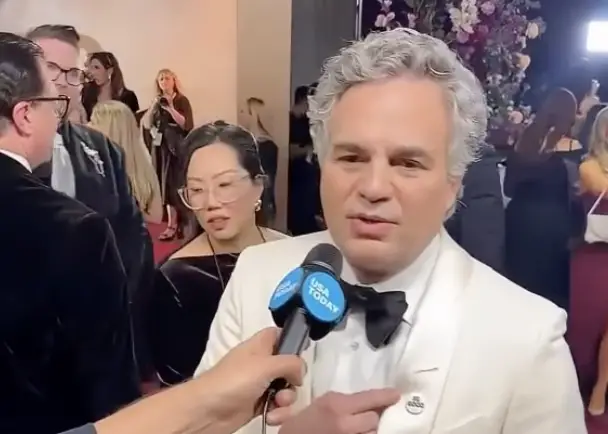
Ruffalo, 58, spoke to reporters while attending the awards ceremony in Los Angeles wearing a pin that read “BE GOOD”, part of a small but noticeable display by a number of performers and presenters who also wore “ICE OUT” and similar slogans. The pins were linked to a campaign that supporters said was intended to highlight recent deaths involving US Immigration and Customs Enforcement officers, including the fatal shooting of Renée Nicole Good in Minneapolis.
“This is for Renée Nicole Good, who was murdered,” Ruffalo said during the red carpet interview, according to USA Today reporting cited in multiple accounts of the exchange.
From there, the actor broadened his criticism, accusing the administration of ignoring international law and condemning Trump in unusually blunt terms. “We’re in the middle of a war with Venezuela that we illegally invaded,” he said. “He’s telling the world that international law doesn’t matter to him. The only thing that matters to him is his own morality, but the guy is a convicted felon; a convicted rapist. He’s a pedophile.”
Ruffalo added: “He’s the worst human being. If we’re relying on this guy’s morality for the most powerful country in the world, then we’re all in a lot of trouble.” He then returned to the reason he said he had chosen to wear the pin, describing fear among Americans and arguing that the country was being reshaped in ways he believed were unrecognisable. “This is for the people in the United States who are terrorised and scared today. I know I’m one of them. I love this country. And what I’m seeing here happening is not America,” he said.
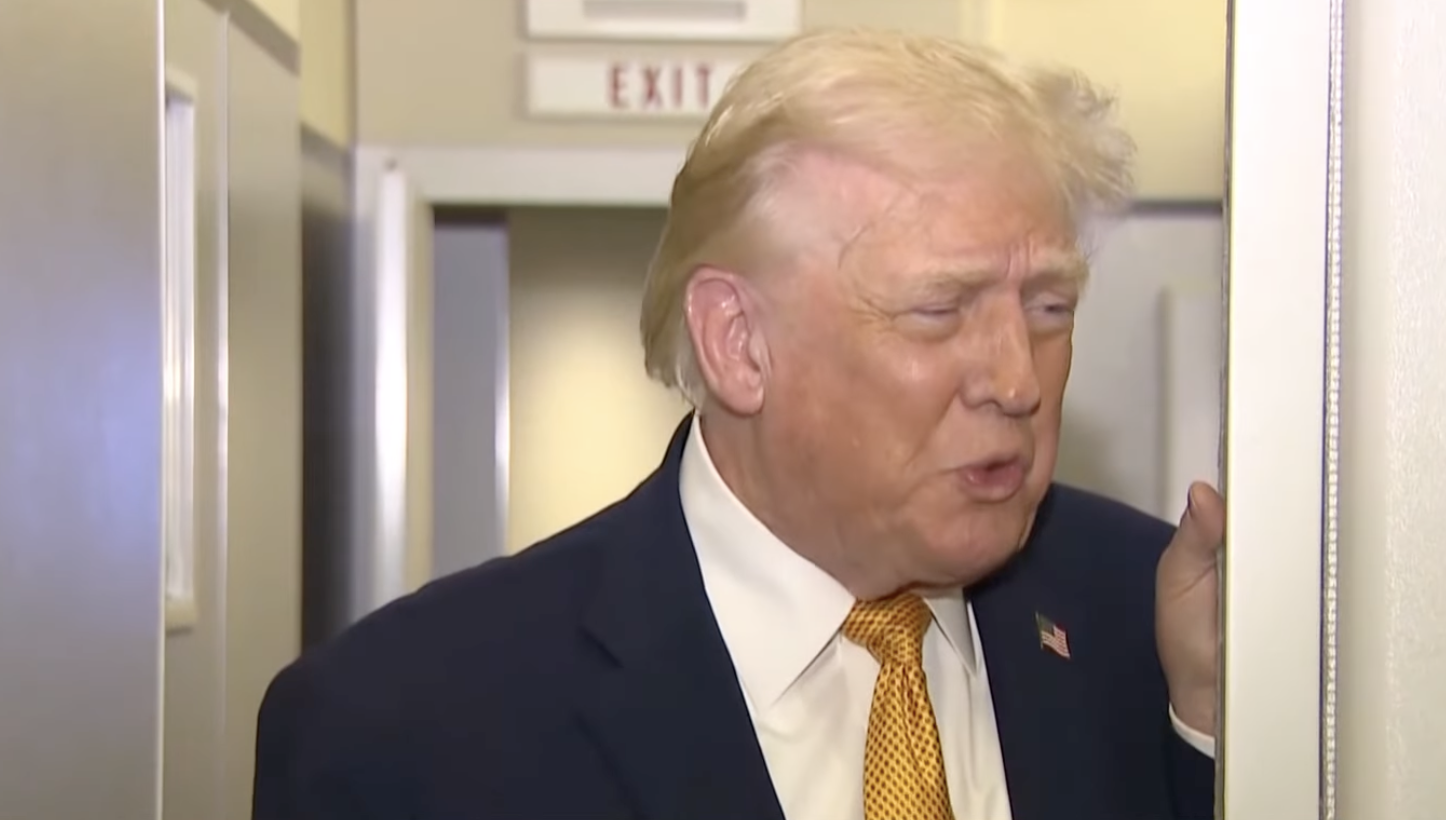
The White House response was delivered through Steven Cheung, the communications director, who posted a pointed message about the actor on X. “More impressively, he’s an even worse human being by spewing outright lies because deep down inside, he hates himself for knowingly subjecting the public to his god awful performance,” Cheung wrote, after describing Ruffalo as “one of the worst actors in the business”.
UNILAD, which reported on the exchange under the headline “White House issues scathing response to Mark Ruffalo’s comments about ‘lying’ Vance and ‘pedophile’ Trump”, said the White House directed it to Cheung’s post when asked for comment on Ruffalo’s remarks.
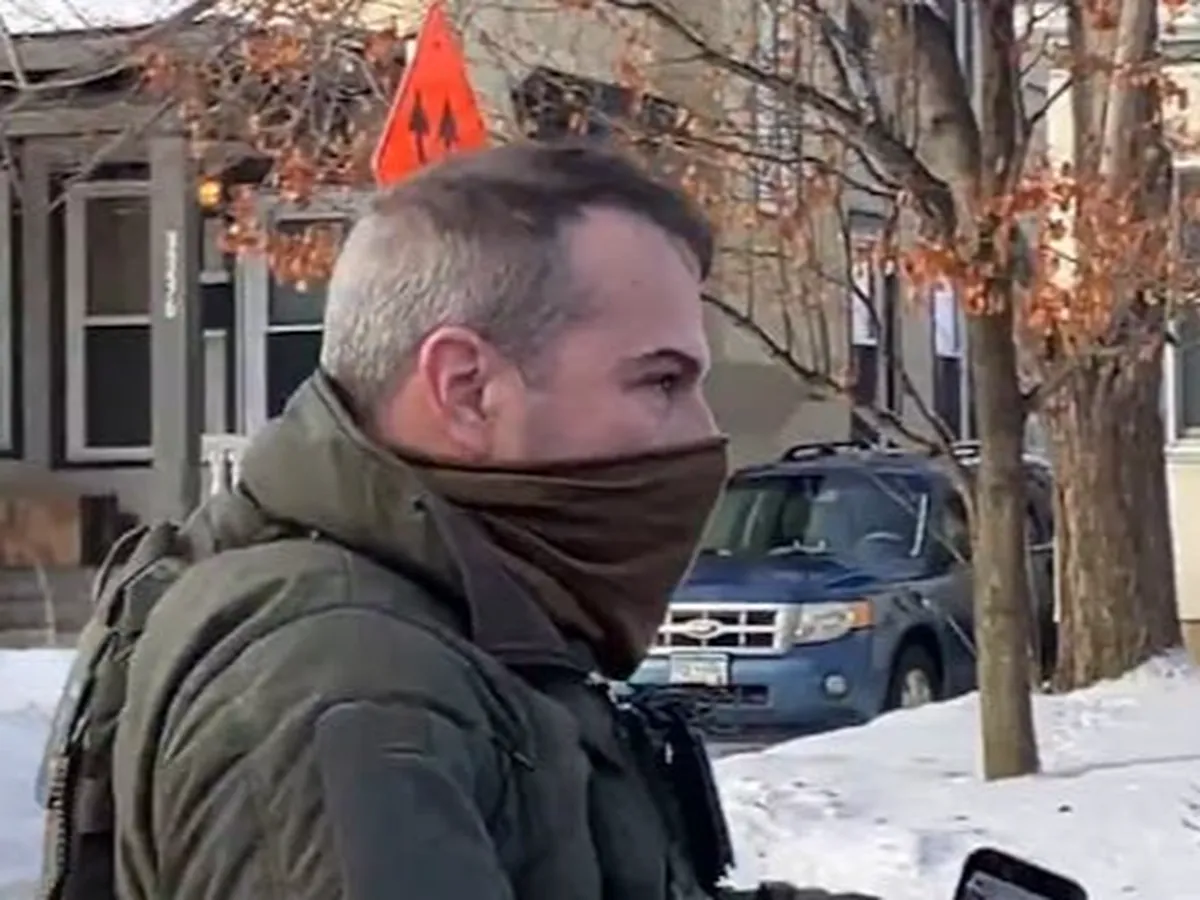
The dispute played out against the backdrop of rising political tension around immigration enforcement and public protest. The “BE GOOD” pins referenced Renée Nicole Good, described by supporters as a 37-year-old mother of three who was shot and killed by an ICE officer in Minneapolis last week. UNILAD reported that footage circulated online appeared to show the moments before the shooting from the perspective of an officer. In the clip described by the outlet, a woman identified as Good is heard telling the officer, “That’s fine, dude. I’m not mad at you,” moments before she attempted to drive away.
The incident has prompted anger among activists and some public figures, while federal authorities and law enforcement sources have framed the shooting as self-defence. The details of the case remain politically charged, with competing narratives spreading online and on cable news.
Ruffalo’s comments also included an attack on Vice-President JD Vance, describing him as a “liar”, according to UNILAD’s account of his red carpet remarks. The actor’s critics seized on his language, while supporters argued that the point of the pins was to use a high-profile event to draw attention to deaths they say have been minimised amid the administration’s aggressive immigration agenda.
The Golden Globes, one of Hollywood’s most prominent televised events, has often provided a stage for political moments, but the visible protest this year was comparatively understated, with attendees wearing small pins rather than delivering speeches explicitly focused on immigration. Still, the images spread quickly online, and the White House reaction underscored how closely the administration is tracking cultural flashpoints involving celebrity critics.
Ruffalo is a long-time political activist who has spoken publicly on climate change, social justice and US electoral politics, and has backed progressive causes and candidates in past election cycles. His film career includes major studio work and multiple awards nominations, and he is best known to mainstream audiences for playing Bruce Banner and the Hulk in Marvel films, along with dramatic roles that have earned him Oscar nominations and an Emmy award. He has previously used high-profile interviews and public appearances to address political issues, including during award seasons.
The language Ruffalo used at the Golden Globes has drawn particular attention because it included allegations that have been the subject of legal and political dispute. Trump was convicted last year in New York on felony charges related to falsifying business records. In a separate civil case brought by writer E Jean Carroll, a jury found Trump liable for sexual abuse and defamation, though it was not a criminal conviction. Trump has repeatedly denied wrongdoing in both matters. There is no public record of Trump being charged with a sex offence involving children, and Ruffalo’s use of the word “pedophile” was not tied to any criminal allegation announced by prosecutors.
The confrontation between Ruffalo and the White House is the latest example of the Trump administration responding rapidly and personally to criticism from entertainers and public figures, often via social media posts and statements that focus on the critic’s character rather than the underlying issue. It also reflects the extent to which the immigration debate, and anger over deaths involving federal officers, is moving into mainstream cultural spaces that are normally dominated by entertainment coverage.
For Ruffalo and other attendees who wore the pins, the aim appeared to be to link a glamorous Hollywood event to a case that activists say symbolises a broader pattern of violence and intimidation in immigration enforcement. For the White House, the rapid rebuttal signalled a determination to contest not just policy criticism but also the framing of incidents involving ICE and federal officers.
As the awards season continues, organisers behind the pin campaign have indicated they want the message to extend beyond a single red carpet moment. Whether that happens may depend less on what celebrities wear at future ceremonies than on how the investigations and official accounts of the shootings cited by campaigners unfold, and whether the political temperature around immigration enforcement continues to rise.