A senior US Border Patrol official has drawn fresh scrutiny after appearing to struggle with questions about the killing of a Minneapolis intensive care nurse who was shot dead by federal immigration agents during a confrontation in the city.
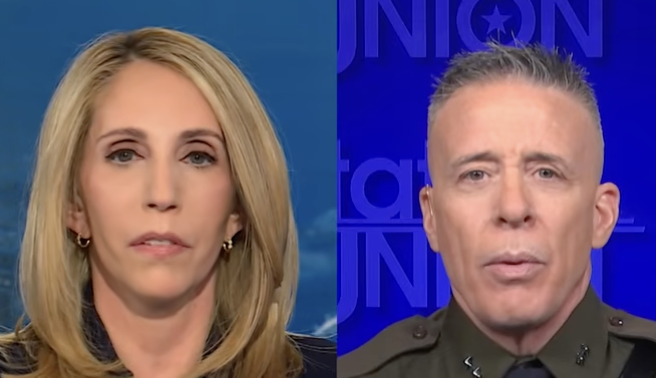
Gregory Bovino, the US Border Patrol’s commander-at-large, faced repeated questioning in a televised interview after federal officers killed 37-year-old Alex Pretti during an immigration enforcement operation. In the exchange, Bovino argued that the “victims are the Border Patrol agents”, even as the interviewer pressed him on why an American citizen had been killed and whether the authorities’ version of events matched footage recorded at the scene.
The dispute has become a flashpoint in a growing political and legal fight over the Trump administration’s stepped-up immigration enforcement in Minneapolis, where local and state leaders have demanded an end to the operation and called for an investigation independent of federal agencies.
Pretti, who was described by authorities as a US citizen and by colleagues and supporters as an ICU nurse, was shot on 24 January. The Department of Homeland Security said a Border Patrol agent fired in self-defence after a man approached with a handgun and “violently resisted” attempts to disarm him.
Homeland Security Secretary Kristi Noem told reporters afterwards that Pretti “wasn’t there to peacefully protest” and that “he was there to perpetuate violence”. Federal officials also released an image of a handgun they said was recovered from him.
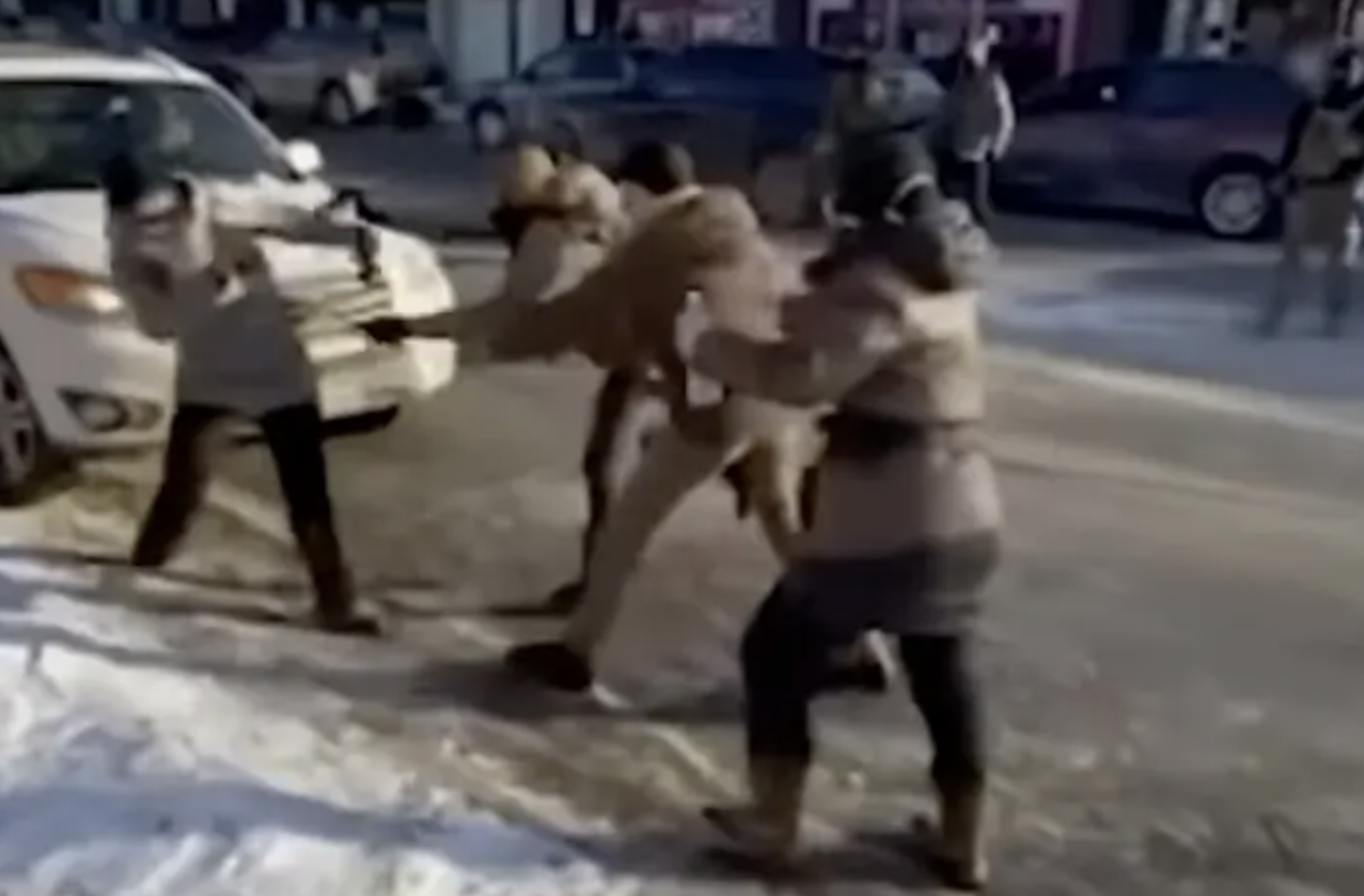
However, bystander videos verified and reviewed by Reuters appeared to contradict key elements of that account. Reuters said the footage showed Pretti holding a mobile phone rather than a gun as he moved towards federal agents during a tense confrontation in which protesters were pushed to the ground. Reuters reported that as the recorded sequence began, Pretti could be seen filming as an agent shoved people back, before Pretti stepped between the agent and women who had been knocked down. Reuters said Pretti raised an arm as he was pepper-sprayed.
In the days since the shooting, the case has widened beyond the immediate questions about whether the use of lethal force was justified, into a broader debate about transparency and oversight. Minnesota Governor Tim Walz said he had seen video from several angles and called it “sickening”, adding: “The federal government cannot be trusted to lead this investigation. The state will handle it.”
Minneapolis Mayor Jacob Frey and Walz both called for the immigration operation to end, saying the crackdown was escalating tensions and straining local resources. The White House rejected that criticism, with President Donald Trump accusing local leaders of “inciting Insurrection” in a social media post.
In his television appearance, Bovino defended the actions of federal personnel and sought to frame the confrontation as an attack on law enforcement. He described Pretti as having “put himself in that situation”, a remark that prompted further backlash online as critics accused officials of blaming the man who was killed. In the same interview, Bovino insisted that Border Patrol agents were the victims, despite being repeatedly asked whether Pretti’s death warranted accountability.
The shooting has also intensified scrutiny of how quickly evidence is being preserved and who controls the investigation. Hennepin County Attorney Mary Moriarty, whose office prosecutes serious crimes in Minneapolis, filed a court petition seeking to ensure that federal agencies did not destroy or remove evidence connected to Pretti’s death. Her office said it was seeking an order to preserve materials including surveillance footage, audio and video recordings, dispatch and radio transmissions, investigative files, and “all body-worn camera footage, dash camera footage, and in-car camera footage”, along with weapon and ballistics evidence.
Moriarty said in a statement that her office had been informed that at least one of the agencies involved had a routine retention policy under which some records could be destroyed quickly, and she said it was essential to preserve evidence while the state investigation proceeded.
The Minnesota Bureau of Criminal Apprehension has said it is investigating the shooting. Reuters reported that federal authorities had refused to allow local officials to participate in the federal investigation of the incident, contributing to the demand from state leaders for an inquiry outside DHS control.
Pretti’s background has also become central to public reaction. Reuters reported that the US Department of Veterans Affairs provided an undated handout image of Pretti, and that his death has sparked anger among residents already alarmed by enforcement tactics in the city. According to Reuters, protests had already taken place the day before the shooting, with more than 10,000 people demonstrating in freezing conditions against the immigration crackdown.
The killing of Pretti was described by Reuters as the second fatal shooting of a US citizen in Minneapolis by federal immigration agents this month, following the killing of an immigration agent identified as “Good”, which Reuters said had already inflamed tensions. Reuters also cited other incidents that had angered residents, including the detention of a US citizen who was taken from his home wearing shorts, and the detention of schoolchildren, including a five-year-old boy.
The circumstances of Pretti’s encounter with federal agents remain contested. Reuters reported that local police said Pretti was a lawful gun owner, while DHS framed the shooting as a defensive response to an armed man. The verified videos described by Reuters have fuelled renewed calls for the release of body camera footage, and for public disclosure of internal reports and communications from the agencies involved.
Civil rights advocates and local officials have questioned why heavily armed federal units were operating in public areas with limited coordination with city leaders, and why details of the incident were initially provided through agency statements rather than an independent briefing. Supporters of the crackdown have argued that federal officers face heightened risk amid protests and that agents must be able to protect themselves.
Legal questions are likely to intensify if investigators conclude that the evidence does not support the initial federal description of an armed attack. The standard for self-defence in police shootings is typically assessed on whether an officer’s belief of imminent danger was reasonable under the circumstances. Any criminal inquiry could also hinge on whether officers followed training, whether warnings were issued, and whether less-lethal options were feasible.
The political consequences are already playing out nationally, with the administration framing opposition as obstruction and state leaders arguing that federal enforcement actions have become reckless. The dispute over who controls the evidence and the investigative process has become a key battleground. Moriarty’s move to preserve evidence is intended to prevent crucial records being lost before state authorities can review them.
For Minneapolis, the shooting has reopened painful questions about policing, accountability, and the use of force, issues that have defined the city’s national profile since the killing of George Floyd in 2020. It has also highlighted the expanding role of immigration enforcement agencies far from the southern border, and the tensions that can arise when federal operations intersect with local politics and public protest.
As the investigation continues, the central factual dispute remains unresolved in public: whether Pretti posed an imminent lethal threat, or whether he was acting as a bystander filming and attempting to protect others during a confrontation in which federal agents used pepper spray and physical force. The answer, state leaders say, depends on evidence that must be preserved and made available for independent review.