Bad Bunny ended the Super Bowl LX halftime show holding a football emblazoned with the words “Together we are America,” a message that quickly became one of the most widely discussed moments of the night as viewers debated whether the Puerto Rican superstar had turned the most-watched stage in American sport into an explicit plea for unity amid a polarised national climate.
The performance took place on Sunday, February 8, at Levi’s Stadium in Santa Clara, California, where Bad Bunny, whose real name is Benito Antonio Martínez Ocasio, became the first halftime headliner to perform an entire Super Bowl set in Spanish, according to multiple outlets covering the broadcast.
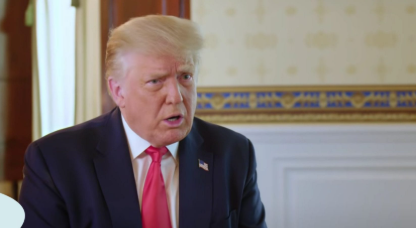
While the show drew praise from fans celebrating the visibility of Latin music on a global platform, it also provoked an unusually direct political backlash from President Donald Trump, who posted a scathing reaction in the immediate aftermath. In a message shared on social media, Trump wrote: “The Super Bowl Halftime Show is absolutely terrible, one of the worst, EVER!” He added: “Nobody understands a word this guy is saying,” and described the show as “a ‘slap in the face’ to our Country,” according to reporting that cited the president’s post.
Trump’s comments came after weeks of controversy surrounding the NFL’s selection of Bad Bunny for the Apple Music-sponsored halftime slot, with criticism from some conservative commentators focused on the decision to headline the event with a Spanish-language artist, despite Puerto Rico’s status as a US territory and the artist’s mainstream success in the United States. Reuters reported that Trump had previously denounced the choice of Bad Bunny and repeated his dissatisfaction after the game-night performance, framing it as inconsistent with what he called American “standards” and values.
The halftime show itself was built around an overtly celebratory portrayal of Latin American culture, with heavy Puerto Rican imagery and choreography that unfolded across the field amid guest appearances and crowd participation. ABC Australia reported that Bad Bunny paid homage to his home country throughout the show and noted that the set included a segment in which he helped a couple exchange vows.
Several surprise guests joined him on stage. People reported that Lady Gaga made an appearance during the performance and that other celebrity cameos included Ricky Martin and Pedro Pascal, with the overall production leaning into spectacle and star power. Pitchfork also noted that the set “paid homage to Puerto Rico” and highlighted Bad Bunny’s stated desire to unite people around the globe, describing the performance as a joyful celebration.
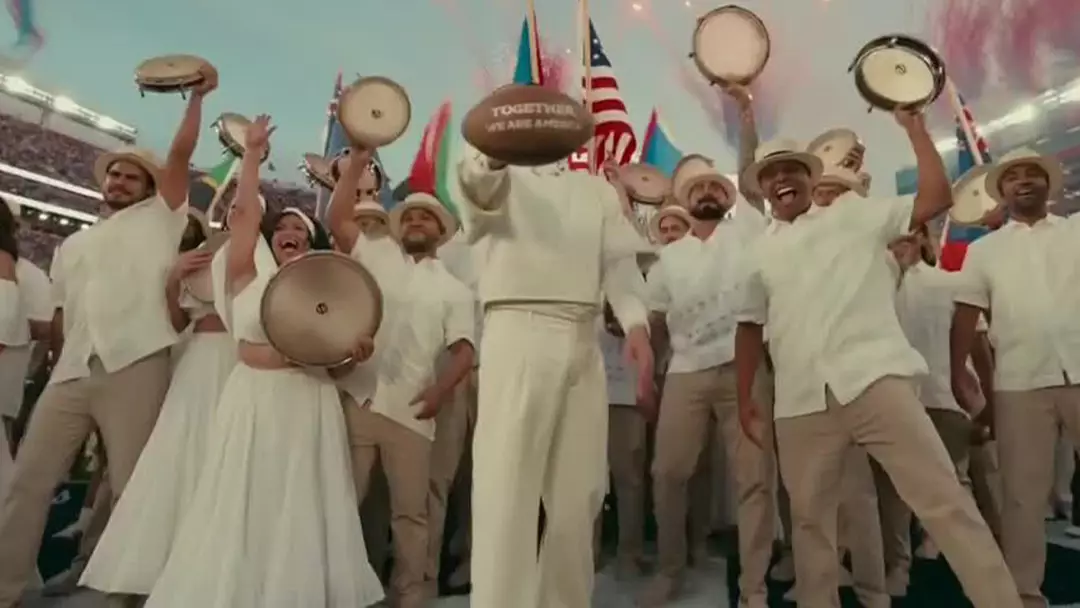
But it was the closing seconds of the show that produced the single most replayed image: Bad Bunny holding up the football bearing the phrase “Together we are America.” The New York Post reported that he also said “God bless America” at the end of the performance and that the stadium screens displayed a message linking love and resistance to hate.

Clips circulated widely across social media within minutes. One widely shared post on X from the account SM Highlights described the finale as featuring “people holding flags of tons of countries,” calling it “a message of togetherness.” While such posts reflect the tone of fan reaction rather than an official account, they underlined how quickly the moment was interpreted as a deliberate political and cultural statement.
Bad Bunny’s broader public messaging in recent days has heightened the political sensitivity around the performance. Just a week earlier, he used his Grammys acceptance speech to condemn Immigration and Customs Enforcement operations, a remark that received extensive coverage. In comments reported by Vogue from the ceremony, he said: “Before I say thanks to God, I’m going to say ICE out. We’re not savage, we’re not animals, we’re not aliens. We are humans and we are Americans.”
Those remarks, and the timing of the Super Bowl appearance immediately afterwards, have fed an interpretation that the halftime show was designed not only as entertainment but as a direct response to the country’s political mood. Reuters reported that Bad Bunny has publicly opposed Trump’s deportation policies and had endorsed then-Democratic presidential nominee Kamala Harris in 2024, adding to a long-running and increasingly personal political conflict between the artist and the president.
On Monday morning in the UK, Sky News described the halftime performance as historic for its Spanish-language focus and reported on Trump’s condemnation, including his assertion that the show did not represent “our standards of Success, Creativity, or Excellence,” language echoed across other accounts that cited his social media post.
The dispute is taking place against the backdrop of Bad Bunny’s status as one of the world’s biggest streaming artists and a cultural figure whose identity and politics are inseparable from his work. His rise has been defined by an ability to move between global pop stages and Puerto Rican social issues, and by a deliberate insistence on Spanish-language dominance even in markets traditionally centred on English-language music.
The NFL and its broadcast partners have increasingly embraced halftime shows as broad cultural statements in their own right, often pairing spectacle with subtle signalling around identity, representation and national narratives. In that context, the use of a football as the literal vehicle for the phrase “Together we are America” offered a symbol that was difficult to miss even for viewers unfamiliar with the lyrics, while also ensuring the point was communicated through the sport’s central object rather than through a speech.
Trump’s reaction, meanwhile, demonstrated how closely the halftime show is now treated as political terrain. Reuters reported that conservative activist group Turning Point USA staged an alternative “All-American Halftime Show” featuring Kid Rock, framing the NFL’s entertainment choice as part of a broader culture-war dispute and tying the response directly to the president’s worldview.
The controversy also highlighted the gap between official framing and public reception. For many viewers, the language barrier was not a meaningful obstacle, and the visual storytelling carried the night. For others, it was precisely the point, a reminder that the United States’ cultural identity extends well beyond English-language traditions, and that Spanish is central to the lived experience of millions of Americans.
In the hours after the game, the same closing image continued to circulate: Bad Bunny lifting the football with “Together we are America” as flags filled the field around him and Trump’s denunciation spread online alongside it. Whatever the long-term verdict on the show’s artistry, the closing seconds ensured the halftime performance would be remembered not just as entertainment but as a flashpoint, compressing current arguments about language, immigration, identity and patriotism into a single, broadcast symbol on the biggest stage in American sport.