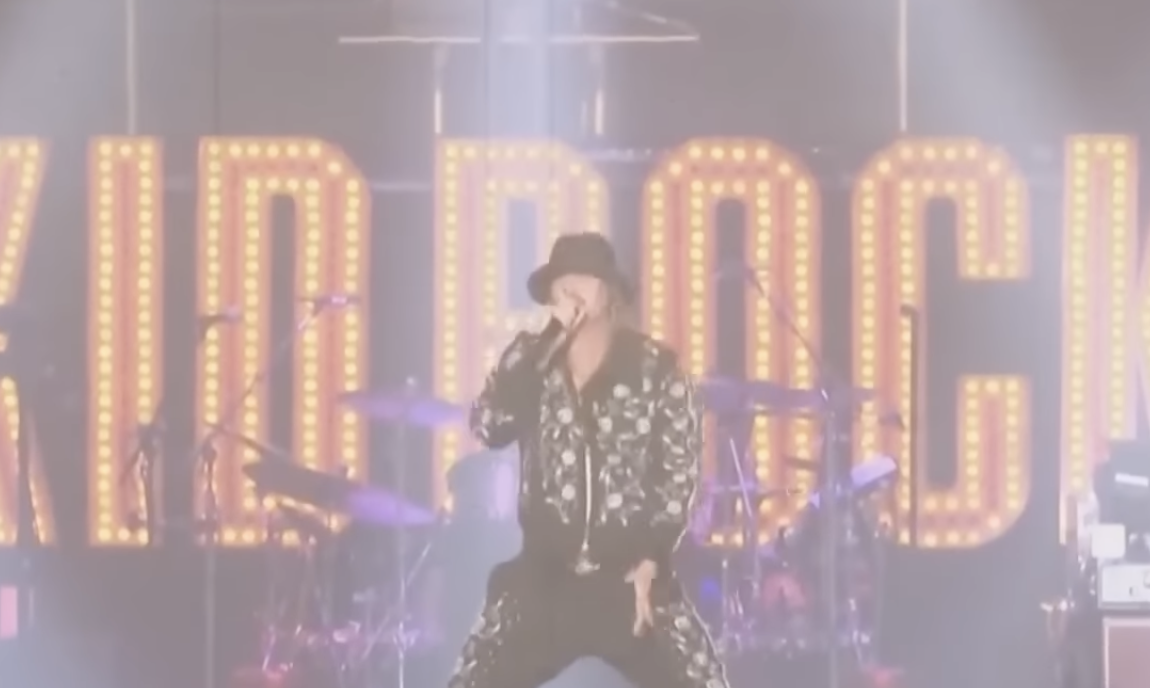
A wave of online criticism has hit Kid Rock after his headline set at Turning Point USA’s “All-American Halftime Show”, an alternative broadcast staged alongside the NFL’s official Super Bowl LX halftime performance.
The Turning Point USA show, billed as a separate viewing option for audiences seeking different entertainment to the NFL’s halftime production, streamed during Sunday night’s Super Bowl coverage as Bad Bunny performed live at Levi’s Stadium in Santa Clara, California.
Much of the backlash focused on claims that Kid Rock, whose real name is Robert Ritchie, was not singing live and that the audio appeared out of sync with the visuals. Viewers posted clips and reactions across social media, with one user writing on X: “Kid Rock doesn’t know how to lip sync his own songs.” Another wrote: “That was the worst lip sync I’ve ever seen #KidRockHalftime wow that was sad.” Others questioned whether the performance was pre-recorded or whether technical issues had affected the stream.
One post shared widely alleged that the sound did not match what viewers could see on screen, calling it “a complete disaster”, while other comments referred to a “lip sync malfunction” and asked: “Why kid rock lip sync everything??” In the immediate aftermath, criticism spread beyond the performance itself to the production quality, with some viewers suggesting the show had been recorded earlier and that the final broadcast suffered from editing or synchronisation problems.
Turning Point USA, a conservative political organisation founded by Charlie Kirk, had promoted the “All-American Halftime Show” as a counter-programme to the NFL’s official halftime entertainment. Kirk was killed in 2025, and the organisation has been chaired by his widow, Erika Kirk, according to reporting published after the broadcast.
Turning Point’s event featured multiple artists, including Kid Rock, Brantley Gilbert, Lee Brice and Gabby Barrett, in a performance that ran for roughly half an hour. The group and its supporters highlighted what they described as strong online engagement, with claims of several million concurrent viewers during the stream.
The broadcast also faced a late change to its streaming plans. Turning Point USA initially indicated the show would stream on X, but issued an update shortly before airtime saying it could not do so “due to licensing restrictions” and directing viewers to its YouTube channel instead. The message said: “UPDATE: Due to licensing restrictions, we are unable to stream The All-American Halftime Show on X. Head on over to our YouTube channel tonight around 8PM ET to watch the full show.”
Turning Point USA’s YouTube stream subsequently surged during the broadcast, with VT.co reporting a peak of more than five million viewers. Separate reporting cited by People, referencing figures attributed to The New York Times, put the livestream peak at about 6.1 million viewers.
In contrast, the NFL’s Apple Music Super Bowl LX halftime show, headlined by Bad Bunny, was projected to reach well over 100 million viewers, based on early reports cited by People. The same reporting noted that the NFL’s uploaded YouTube footage of Bad Bunny’s performance quickly reached tens of millions of views.

Turning Point’s show ended with a memorial sequence for Charlie Kirk. VT.co described a camera pull-back from Kid Rock as family photographs of Kirk appeared, alongside images of his wife and children, concluding with the on-screen words: “In Remembrance of Charlie Kirk.”
Kid Rock had framed the appearance in competitive terms in the days before the Super Bowl, suggesting the alternative show was an uphill battle against the NFL’s mainstream reach and an internationally famous headliner. VT.co quoted him as saying: “We’re approaching this show like David and Goliath. Competing with the pro football machine and a global pop superstar is almost impossible… or is it?”
People also reported that Kid Rock, in an interview clip circulated on X, described the Turning Point show as being “for people who love football, love America and love Jesus.”
While online criticism centred on lip-syncing claims, discussion also broadened to the nature of the broadcast itself, including where and how it was produced, and why it could not be streamed on the platform initially promoted. Wired reported that the show streamed across multiple platforms, including Rumble and YouTube channels, and noted Turning Point’s last-minute announcement that it could not air on X because of “licensing issues.”
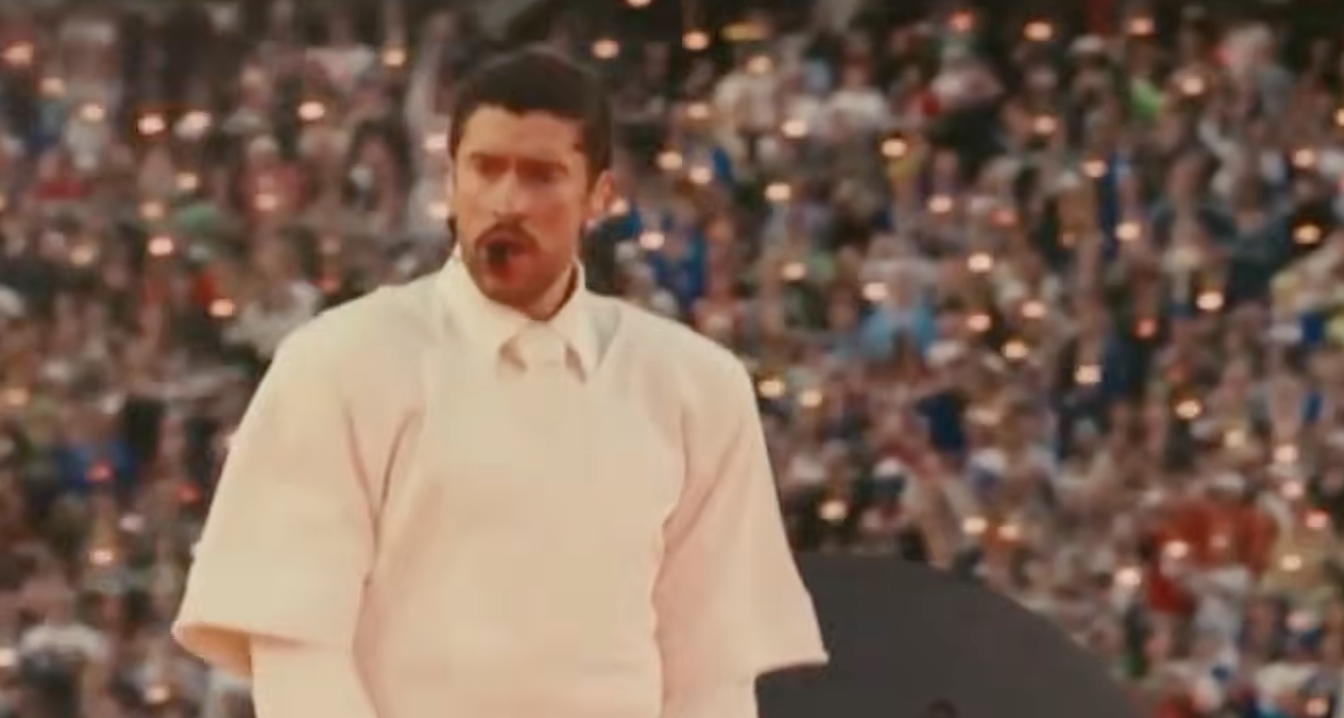
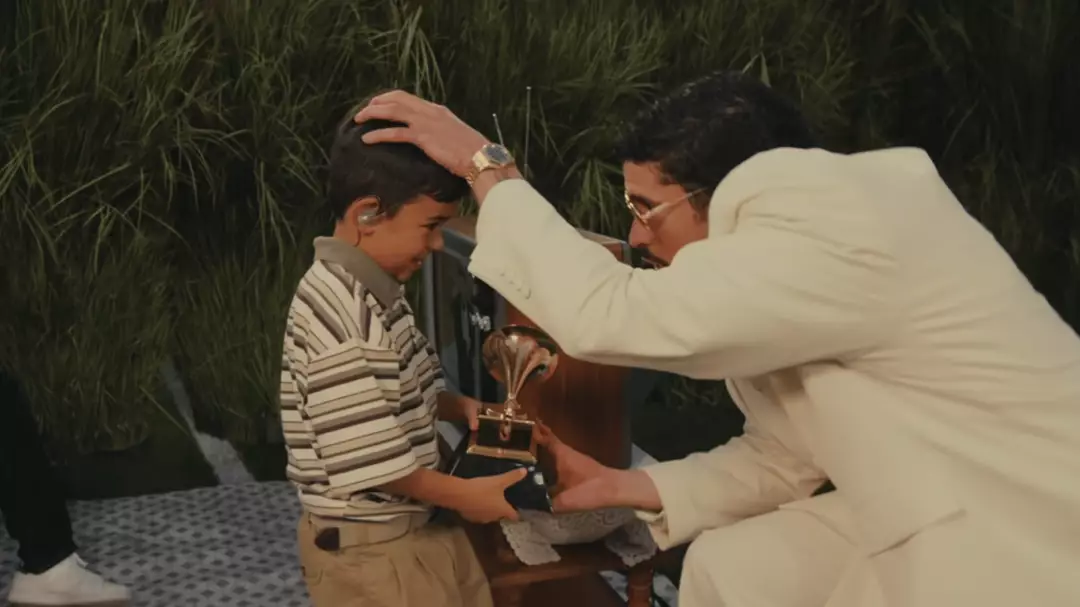
The controversy around the alternative halftime broadcast played out alongside intense political and cultural debate about the NFL’s selection of Bad Bunny, a Puerto Rican global star who performs largely in Spanish. People reported that Bad Bunny’s performance carried an explicit message at its conclusion, with a stadium video board displaying: “The Only Thing More Powerful Than Hate is Love.”
For Turning Point USA, the show represented a major public-facing event under new leadership after Charlie Kirk’s death. The organisation and sympathetic figures promoted the broadcast as a success based on livestream numbers and subsequent views, while critics argued that the production and performance issues undermined that message in real time, as clips of Kid Rock’s set circulated with captions alleging the vocals did not match what viewers saw.
The immediate reaction online was not limited to partisan audiences. Commentary about the performance’s timing, synchronisation and authenticity spread across entertainment and music discussions, with some posts focusing less on ideology and more on the technical execution of the stream, including whether the show had been recorded in advance. VT.co reported that several viewers believed the show was pre-recorded and that the audio and visuals had not been properly synced for broadcast.
Turning Point USA has not, in the reporting reviewed, released a detailed technical explanation addressing the lip-sync allegations or the audio-sync complaints beyond its statement on licensing restrictions affecting the planned X stream. The episode has nonetheless added to the long-running scrutiny faced by Kid Rock, a veteran performer with a decades-spanning career that has increasingly intersected with US political culture, particularly in conservative media and campaign settings.
As clips and reaction posts continued to circulate, the debate around the alternative halftime broadcast remained split between supporters emphasising viewership totals and critics framing the performance as a high-profile misfire. For now, the moment that appears to have cut through most widely is the allegation that the audio did not match the visuals, and that a show meant to project defiance and spectacle instead became dominated, in online conversation, by questions over whether the headline artist was singing at all.