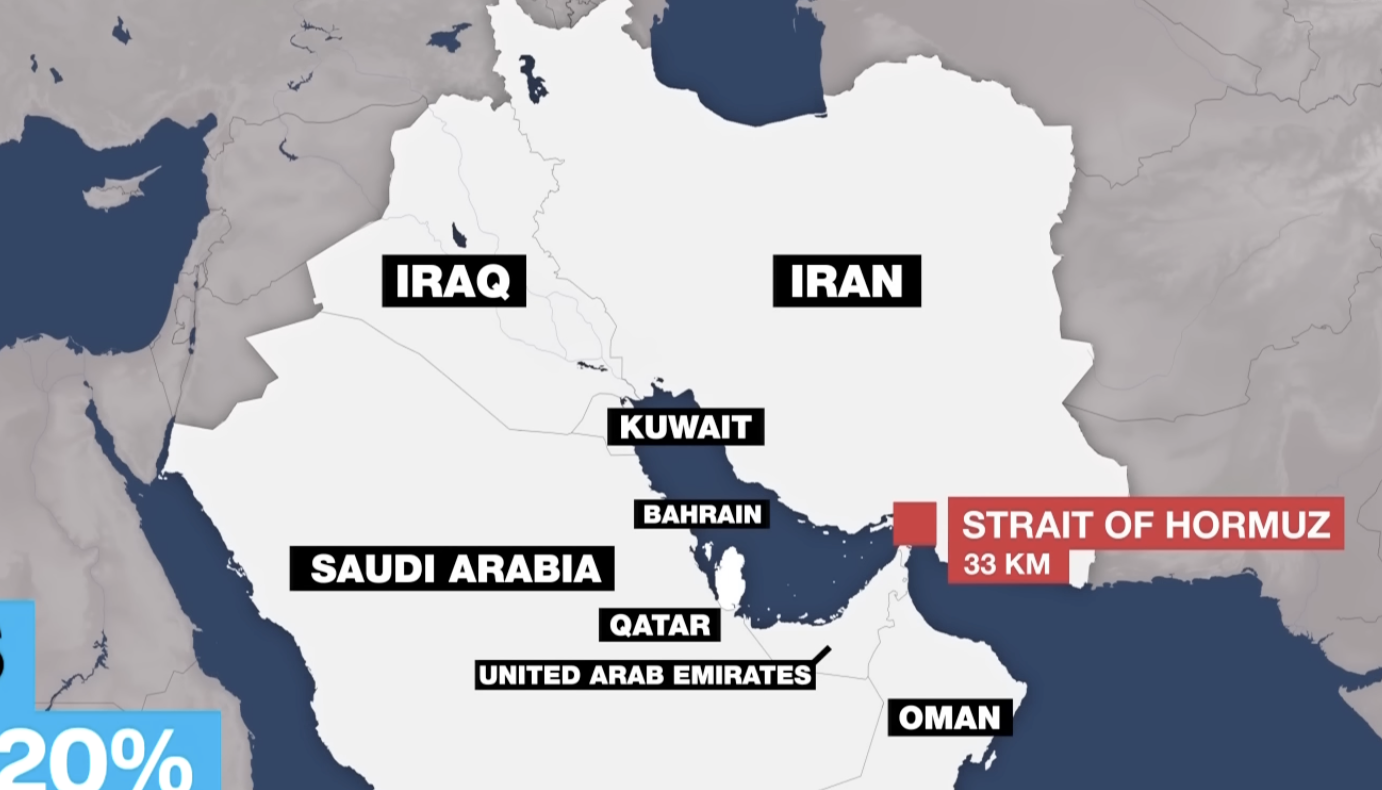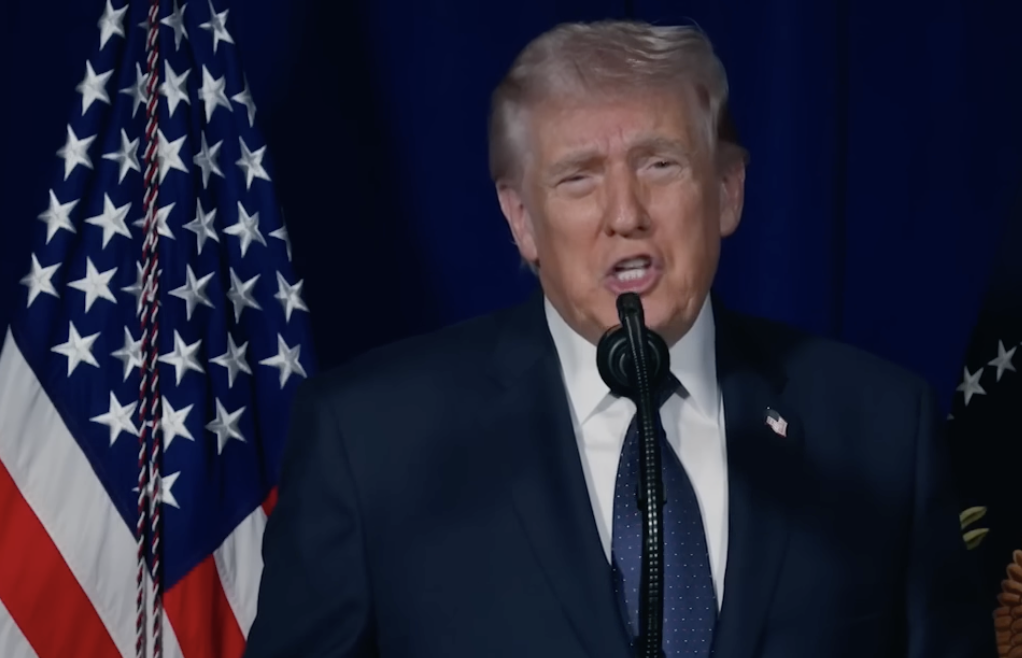
The United States said it has killed the leader of an Iranian unit it alleges was involved in an attempt to assassinate President Donald Trump, with Defence Secretary Pete Hegseth presenting the strike as part of a wider military campaign against Iran that is now entering its fifth day.
Speaking at a Pentagon briefing, Hegseth told reporters that American forces had “hunted down and killed” the head of the unit, adding: “The leader of the unit who attempted to assassinate President Trump has been hunted down and killed. Iran tried to kill President Trump. And President Trump got the last laugh.”
The U.S. military did not immediately provide details of the alleged assassination attempt, including when it occurred or how far it progressed, but Reuters reported the official killed in the strike was tied by U.S. officials to an alleged plot that previously surfaced in U.S. law enforcement proceedings.
The announcement came against the backdrop of a rapidly escalating U.S.-Iran conflict, in which Hegseth and senior commanders have argued the United States has gained control of Iranian airspace and is continuing a broad campaign against military targets. Hegseth said the operation is being prosecuted “decisively, devastatingly and without mercy,” language that echoed the administration’s insistence that the campaign will continue until it achieves its objectives.
At the same briefing, the chairman of the Joint Chiefs of Staff, Gen Dan Caine, said U.S. forces had adequate munitions for ongoing operations. Hegseth added that the United States had used more advanced weapons at the start of the campaign, but was switching to gravity bombs now that, he said, the U.S. has control of Iranian skies. He said stockpiles of the more advanced weapons remained “extremely strong.”
Hegseth also said more forces, including jet fighters and bombers, would soon arrive in the region, and that the United States “will take all the time we need to make sure that we succeed.”
The claim that Iran sought Trump’s assassination draws on a thread of U.S. accusations that intensified after the Justice Department announced charges in late 2024 linked to what it described as an Iranian-backed plot to target Trump, then president-elect. In a statement at the time, the department said an Iranian “asset,” Farhad Shakeri, had been tasked by the Iranian regime with surveilling and plotting to assassinate Trump.
According to the Justice Department release, Shakeri was also accused of employing associates in the New York City area in connection with separate murder-for-hire allegations. A criminal complaint tied to the case described Iranian intelligence services as outsourcing certain assassination plots to organised crime groups and violent criminals, outlining what U.S. officials said was a broader pattern of alleged Iranian overseas operations.
Iran has previously denied involvement in assassination plots targeting U.S. officials, and Iranian officials have rejected U.S. accusations in the 2024 case as politically motivated. Reuters reported at the time that Iranian officials dismissed the allegations as a conspiracy intended to damage relations.
In the latest briefing, U.S. officials framed the reported killing of the alleged unit leader as both a national security measure and a symbolic moment in the conflict, tying it directly to Trump and portraying it as a settled score. Reuters reported that Hegseth said hunting the individual had not been a central focus of the war effort, but that the person was added to the target list and killed in an operation conducted on Tuesday.
The administration’s broader campaign, branded “Operation Epic Fury,” has been described by U.S. officials as a sweeping effort to destroy Iran’s offensive missile capacity, its missile production and key elements of its security infrastructure, alongside a stated goal of preventing Iran from obtaining nuclear weapons.
While U.S. officials have emphasised military targets, the conflict has generated mounting concern internationally over civilian harm and the legality of expanding strikes. The Associated Press reported that the war began with an Israeli airstrike that killed Iran’s Supreme Leader Ayatollah Ali Khamenei, and that more than 1,000 people in Iran and dozens in Lebanon have been killed as strikes and retaliatory attacks have rippled across the region.
The Guardian reported allegations and counter-allegations over strikes, including an investigation into a deadly strike on a girls’ school in Minab, Iran, with Hegseth saying the United States does not target civilians and that the incident was under review.
Hegseth’s remarks about the alleged assassination unit leader also landed amid renewed scrutiny of Trump’s personal security and threats from Iran, which U.S. officials have linked in the past to retaliation over the 2020 killing of Iranian general Qassem Soleimani. U.S. law enforcement and intelligence agencies have repeatedly warned that Iran has sought revenge against current and former U.S. officials, a backdrop that has shaped domestic security planning around Trump since his return to political office.
The Pentagon briefing did not include an independent presentation of evidence linking the killed official to an assassination attempt, and U.S. officials did not publicly identify the individual in Reuters’ account of the announcement.
Even so, the White House and Pentagon have treated the claim as a significant development, presenting it as part of an expanding set of objectives in the conflict. In addition to air operations, Hegseth said a U.S. submarine fired a torpedo that sank an Iranian warship on Tuesday night, which he described as the first such attack on an enemy vessel since World War II.
In Washington, lawmakers have faced growing pressure to define the scope of U.S. military action, with debate sharpening around presidential war powers and the potential length of the conflict. Hegseth, for his part, offered no clear timeline for when the campaign would end, saying operations would continue and additional capabilities were being surged to the region.
For the administration, the announcement that the alleged leader of the unit behind an assassination attempt has been killed serves a dual purpose: reinforcing the narrative that Iran represents a direct threat to U.S. leadership, and underscoring the message that the United States is willing to pursue individuals it says have targeted the president. It also ties the current conflict to a longer-running series of allegations and legal cases that have defined the U.S.-Iran confrontation for years, from sanctions and proxy warfare to claimed plots and covert operations.
The central claim, however, remains the same one Hegseth delivered from the Pentagon podium: that an Iranian unit attempted to assassinate Trump, and that the United States has now killed the alleged leader of that unit as the war with Iran intensifies.