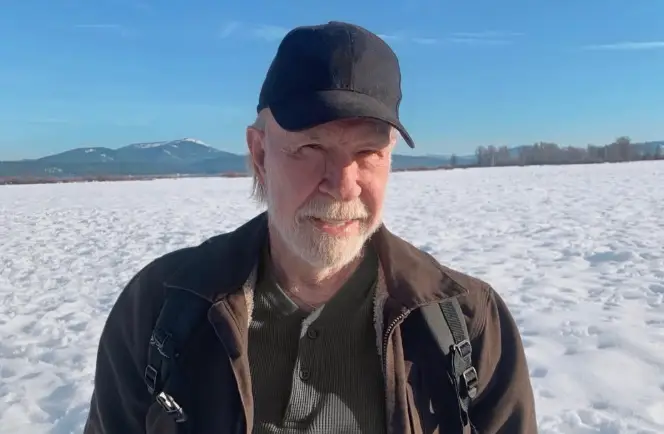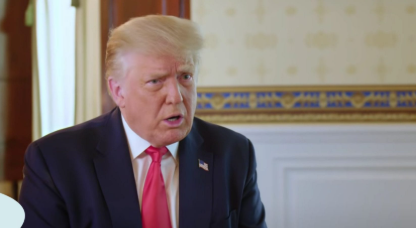
Joe Kent, the former director of the US National Counterterrorism Center, has made fresh and highly contentious claims about the September 2025 assassination of conservative activist Charlie Kirk, arguing in a televised interview that there are still “unanswered questions” about the killing despite the arrest and charging of a 22-year-old Utah man in the case. Kent, who resigned this week over Donald Trump’s war with Iran, said he believed investigators were prevented from fully pursuing possible leads after Kirk was shot dead during a campus event in Utah.
Kirk, the founder and co-founder of Turning Point USA, was killed on September 10, 2025, while speaking at Utah Valley University in Orem during what was meant to be the opening stop of a 15-event “American Comeback Tour.” Reuters reported that his appearance was part of a nationwide university swing that reflected his central role in conservative youth politics and in the movement that helped deliver younger right-leaning voters to Trump. Kirk had 5.3 million followers on X, hosted The Charlie Kirk Show, and had become one of the most prominent pro-Trump media figures in the United States.
The killing happened in front of a live crowd. According to the Associated Press and Reuters, Kirk had been fielding questions about mass shootings and gun violence when an audience member asked him: “Do you know how many mass shooters there have been in America over the last 10 years?” Kirk replied: “Counting or not counting gang violence?” AP reported those were his last words before a bullet struck him. Witnesses described immediate panic, with screams of “No! Charlie!” and “Go! Run! Go!” as the crowd fled the courtyard.
AP reported that security at the event was relatively light, with six university police officers assigned alongside private security, and no metal detectors or bag checks in place. Authorities said the shot came from a figure on a distant campus roof. Kirk was struck in the neck and collapsed moments later. The attack quickly became one of the most shocking acts of political violence in the United States in recent years, with Reuters noting that it took place during a period in which the country had already experienced a sharp rise in ideologically charged attacks.

Authorities later identified the suspect as Tyler Robinson, 22. ABC News reported that Robinson was formally charged with aggravated murder, felony discharge of a firearm causing serious bodily injury, obstruction of justice, two counts of witness tampering and commission of a violent offense in the presence of a child. Prosecutors also filed notice that they intend to seek the death penalty. According to charging documents cited by ABC, Robinson allegedly told his parents there was “too much evil” and that Kirk “spreads too much hate.” ABC also reported that Robinson allegedly left a note saying, “I had the opportunity to take out Charlie Kirk and I’m going to take it,” and later messaged, “I had enough of his hatred. Some hate can’t be negotiated out.”
Those official allegations form the current public case against Robinson, but Kent is now arguing that the matter should not be regarded as closed. In an interview with Tucker Carlson after his resignation, Kent said: “We’ve been told that this individual, Robinson, is a lone gunman, and maybe he is. But the investigation that I was a part of, that the National Counterterrorism Center was a part of, we were stopped from continuing to investigate.” He said his office found what he described as “more work that we needed to do” and alleged that some requests for information were not properly fulfilled.
Kent stopped short of presenting evidence that another person or foreign actor was involved. In the same interview, he said: “I’m not making any conclusions,” and “I’m just saying there’s unanswered questions.” But he also tied the killing to a wider argument he has been making about Iran, Israel and divisions within Trump’s political world. AP reported that Kent’s post-resignation remarks, including his comments about Kirk, drew immediate criticism from figures who said he was trafficking in antisemitic insinuations by suggesting pro-Israel forces or Israeli interests may have shaped events behind the scenes.
One of Kent’s most striking claims concerned a final private encounter with Kirk inside the White House. Kent said the last time he saw Kirk was in June in the West Wing, where, according to him, Kirk said: “Joe, stop us from getting into a war with Iran.” Kent said Kirk was “single-minded” on the issue and argued that the fact Kirk was publicly opposing another war with Iran was, in his words, “a data point” that needed to be examined after the assassination. Those remarks have now become central to the renewed scrutiny around the case.
Kirk’s political importance helps explain why Kent’s comments are resonating so strongly among Trump-aligned activists. Turning Point USA, the organisation Kirk helped build, grew into one of the most powerful conservative youth networks in the country. Reuters reported that Trump openly credited the group’s “grassroots armies” for helping him win back the White House. Kirk was not simply a commentator. He was a strategist, organiser and mobiliser whose influence stretched from college campuses to the Oval Office. His events were confrontational by design, often built around live audience debate on race, immigration, gender and other culture-war issues that made him admired by supporters and fiercely opposed by critics.
That profile also shaped the immediate response to his death. Vigils were held in several places after the shooting, and the killing sent shockwaves across the American right. Reuters described White House staff as “ashen-faced” when the news spread. The wider political reaction was swift, with figures from both parties condemning the murder, even as the fallout quickly became wrapped up in arguments about extremism, rhetoric and political responsibility.
Kent’s intervention now adds a new and volatile layer to that story. His resignation from the National Counterterrorism Center came amid a major split on the right over Trump’s Iran policy. AP reported that Kent quit saying he could not support the administration’s justification for military action, arguing Iran posed no imminent threat. He then took those grievances onto Carlson’s programme, where discussion of the war soon merged with his view that Kirk’s murder still deserved deeper scrutiny.
For now, the official criminal case remains focused on Robinson, the Utah man accused of carrying out the shooting. Prosecutors have laid out a detailed account built around messages, alleged admissions and forensic evidence, and no public authority has announced evidence of a broader conspiracy. Kent has not produced proof that would displace that account. What he has done is reopen a politically explosive question around one of the most consequential killings in recent American politics, reviving debate over motive, investigative scope and whether all the facts surrounding Charlie Kirk’s death have yet come fully into view.