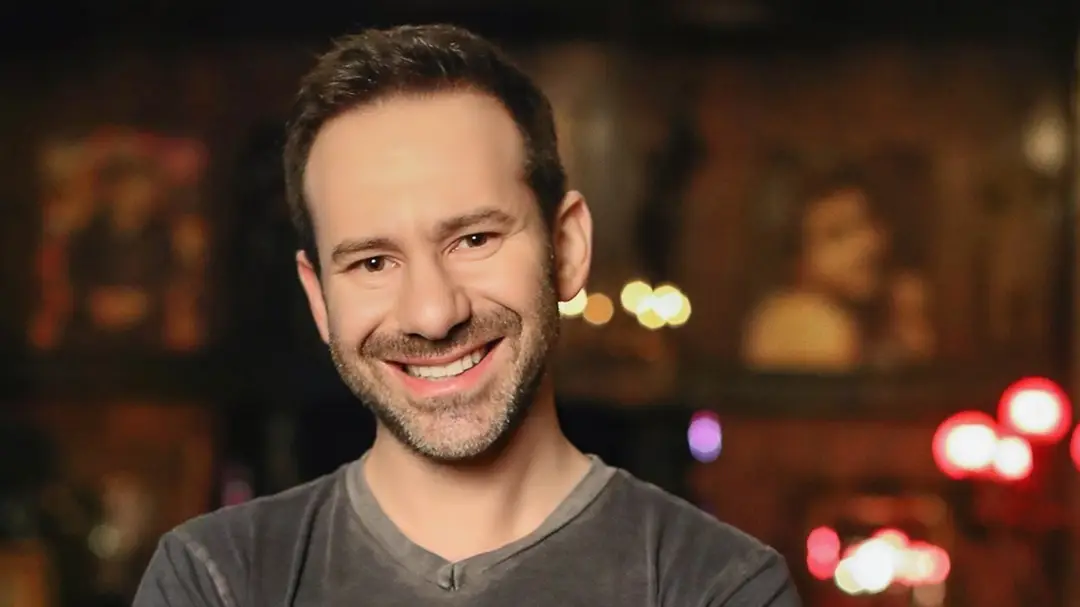
Leonid Radvinsky, the billionaire owner of OnlyFans who helped turn a niche subscription platform into one of the most lucrative businesses in online adult content, has died at the age of 43 after what the company described as a long battle with cancer. OnlyFans said in a statement on Monday that it was “deeply saddened” by his death and that he had “passed away peacefully”, adding that his family had requested privacy.
Radvinsky was one of the most influential and least visible figures in the digital creator economy. Though his name was little known outside the technology and adult entertainment industries, his ownership of OnlyFans placed him at the centre of a major shift in how explicit content was sold online. Under his leadership, creators were able to charge viewers directly through subscriptions, private messages and tips, while the company took a 20% cut. That model, which became especially prominent during the COVID-19 pandemic, made OnlyFans a global force and changed the economics of pornography on the internet.
Born in Ukraine and raised in Chicago, Radvinsky studied economics at Northwestern University, where he graduated as class valedictorian, according to AP and Reuters reporting. Before buying OnlyFans’ parent company, Fenix International, in 2018, he had already built a fortune through earlier ventures in the online adult sector, most notably MyFreeCams, a pioneering webcam site that helped establish direct digital payments between performers and consumers years before subscription platforms became mainstream.
OnlyFans itself had been founded in 2016 by Tim Stokely, initially as a general creator subscription service. After Radvinsky acquired control of Fenix International, the business rapidly expanded and became closely identified with adult content, even as it also hosted musicians, influencers, athletes and other public figures. Reuters reported in 2024 that the company had paid out more than $20 billion to creators and had grown to more than 4.1 million creators, while later company figures for 2024 showed 4.6 million creator accounts and 377.5 million fan accounts. Those figures underlined the extraordinary scale of the platform by the time of Radvinsky’s death.
Financially, the company became a machine for generating cash. Reporting on Fenix International’s 2024 accounts showed users spent about $7.2 billion on the platform that year, up from $6.6 billion the year before, while pre tax profit remained in the hundreds of millions of dollars. Radvinsky personally collected vast dividends from the business. Bloomberg and other outlets reported last year that he received a record $701 million dividend tied to the 2024 accounts, following earlier enormous payouts that helped make him one of the richest figures in online media. Forbes estimated his wealth at about $4.7 billion at the time of his death.
Despite that wealth, Radvinsky remained intensely private. He gave few interviews and rarely sought public attention. That privacy shaped much of his public image, with Reuters describing him as secretive and other reports referring to him as reclusive. In an industry that often thrives on spectacle, he was known more for his corporate decisions than for any public persona. Even as OnlyFans became a cultural flashpoint, he stayed largely in the background.
His business record, however, was not without controversy. OnlyFans faced sustained scrutiny over moderation, age verification and the handling of exploitative content. A major Reuters investigation in late 2024 examined the company’s origins, internal culture and the darker side of its growth, including allegations involving coercion and abusive management practices affecting some creators. The platform has repeatedly said it works to enforce compliance and safety standards, but the scrutiny remained part of the story surrounding both the company and its owner.
At the same time, supporters of the platform argued that Radvinsky’s business model gave creators, especially adult performers, more autonomy and a greater share of their earnings than older studio systems. AP noted that the platform became especially important for sex workers during the pandemic, when in person work became harder or impossible. That direct to consumer model also spread beyond adult content, helping shape broader creator economy businesses in which audiences pay individual personalities rather than media intermediaries. In that sense, Radvinsky’s influence reached beyond pornography and into the wider internet economy.

Away from business, reports described Radvinsky as active in philanthropy. People and other outlets said he donated $5 million to Ukraine relief efforts in 2022 and supported cancer research, animal welfare and medical institutions. AP similarly reported that he backed causes including cancer research and animal welfare. Coverage of his death also pointed to his involvement in technology investing through Leo, his venture fund, which supported software and tech projects outside the adult industry.
Elements of his personal life remained closely guarded, but some reporting said he was married and had four children. His wife, Yekaterina “Katie” Chudnovsky, was described in several reports as an attorney, investor and advocate for cancer research. Much of that detail came from secondary reporting rather than public statements from the family, and the family itself has asked for privacy since his death.
His death comes at a moment when OnlyFans had reportedly been the subject of sale discussions. Recent reports had suggested talks around a multibillion dollar valuation, with figures ranging from roughly $5 billion to as high as $8 billion in various accounts. Those discussions reflected how far the company had come since its early years as a little known subscription site. Whatever happens next with ownership or management, Radvinsky’s role in building that value is central to the story of the platform.
Radvinsky’s legacy is likely to be argued over for years. To supporters, he helped create a system that let millions of creators monetise intimacy, attention and personal access on their own terms. To critics, he presided over a business that profited from a sector long dogged by exploitation and weak safeguards. Both views are now inseparable from the history of OnlyFans itself. What is beyond dispute is that a businessman who rarely appeared in public helped reshape a vast part of the internet from behind the scenes, building a company that moved billions of dollars and altered the relationship between performers and paying audiences across the world.