A dispute over one of the most recognisable opening lines in film music has escalated into a multimillion-dollar court battle, after South African composer Lebohang “Lebo M” Morake sued Zimbabwean comedian Learnmore Jonasi over a viral joke about the meaning of the opening chant from Circle of Life in Disney’s The Lion King. Morake, the Grammy-winning producer and performer whose voice helped define the 1994 film and its later adaptations, filed the lawsuit in federal court in Los Angeles this month, accusing Jonasi of intentionally misrepresenting the chant’s meaning and damaging both his reputation and his commercial interests.
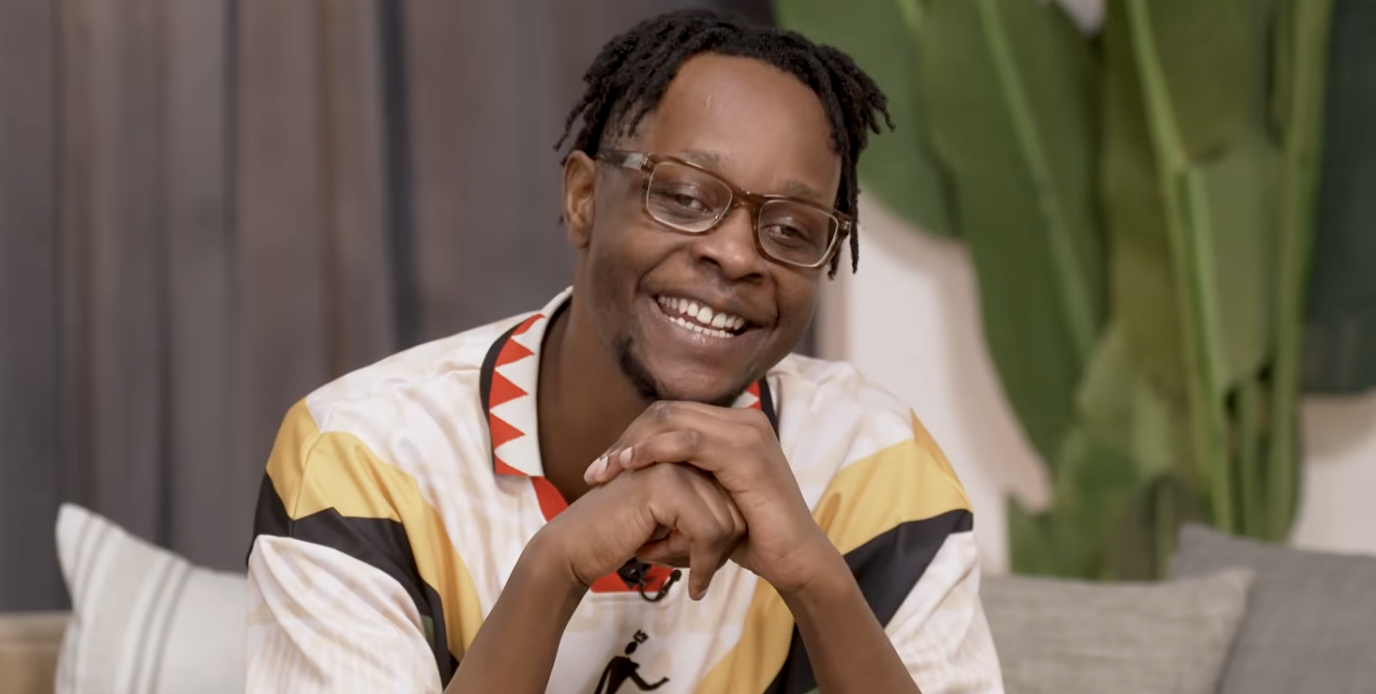
At the centre of the case is Jonasi’s appearance on the One54 Africa podcast, published on 25 February, during a discussion about The Lion King and broader depictions of Africa in Hollywood. In the clip now being cited in court filings and widely circulated online, Jonasi corrected the hosts’ attempt to sing the chant and said: “That’s not how you sing it,” before adding, “Don’t mess up our language like that.” He then gave his own English rendering of the line “Nants’ingonyama bagithi Baba,” telling the hosts it meant: “Look, there’s a lion. Oh my god!” The line drew laughter from the studio and quickly spread online.
Morake’s lawsuit argues that the remark was not a harmless simplification or a throwaway line but a false statement presented as fact. According to the complaint, cited by multiple reports, Jonasi “presented this as authoritative fact, not comedy” and “mocked the chant’s cultural significance with exaggerated imitations.” The complaint goes further, saying: “Jonasi’s reduction to ‘Look, there’s a lion. Oh my god’ is not a simplified translation – it is a fabricated, trivialising distortion, meant as a sick joke for unlawful self-profit and destruction of the imaginative and artistic work of Lebo M.”

Disney’s official translation of the line at issue is very different. Reports citing the lawsuit and Disney’s own materials say “Nants’ingonyama bagithi Baba” means, “All hail the king, we all bow in the presence of the king.” Morake also says the following line, “Hay! baba, sizongqoba,” means, “Through you we will emerge victoriously.” His legal argument is rooted not only in the literal words but in the cultural and ceremonial force of the chant, which he says invokes kingship and heritage rather than a casual observation about an animal.
The complaint says Jonasi repeated a similar joke during a stand-up performance in Los Angeles on 12 March and “received a standing ovation” for it. Morake alleges the statements have interfered with his business relationships with Disney and harmed his royalty income, with the suit claiming more than $20 million in actual damages and seeking a further $7 million in punitive damages, bringing the total demand to $27 million. The case was filed in Los Angeles, where Morake lives and where Jonasi recently performed.
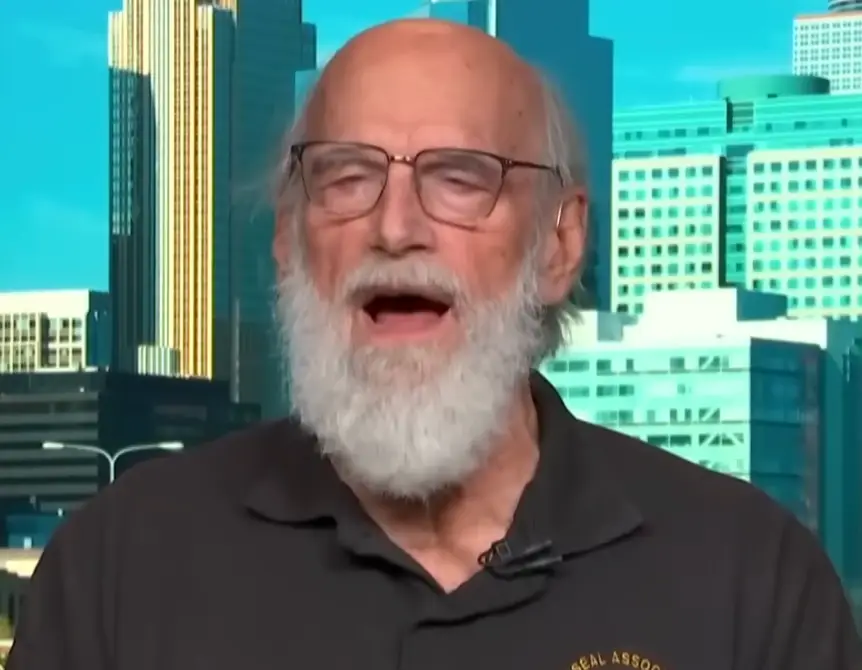
Morake is not a peripheral figure in the Lion King franchise. His official biography describes him as the producer and composer most famous for arranging and performing music for The Lion King films and stage productions. He went on to work with Hans Zimmer and others across major film projects, and his role in shaping the African musical identity of The Lion King has long been central to how the franchise is presented. Reports on the lawsuit also note his later work on the 2019 remake and Mufasa: The Lion King, underlining why he sees the chant not as a disposable line from popular culture but as part of a career-defining body of work.
Jonasi, by contrast, comes from the stand-up world and has built his reputation through observational comedy rooted in his life and perspective as a Zimbabwean performer. His official website describes him as a Zimbabwean stand-up comedian and actor whose comedy is shaped by past experiences, observations and his view of the world. In the podcast conversation, the joke about Circle of Life appeared within a broader critique of how Africa is depicted in Western popular culture. One report citing the full exchange said Jonasi complained that “The lions had American accents in Africa, and then you had the monkey with an accent,” as the discussion widened into Hollywood’s treatment of the continent.
That wider context may matter in public debate, but Morake’s legal claim rests on a narrower point: that Jonasi crossed the line from satire into a knowingly false and damaging statement. Morake has also made clear in public comments that he believes he tried to resolve the matter privately before resorting to court. In remarks reported from an Instagram video, he said: “I tried to engage this young man from Zimbabwe. He’s intentionally misusing the global platform by going viral. Intentionally disrespecting and dismissing my explanation to him of the context of Nants’ Ingonyama, which is a cultural heritage and royal statement we made for years in honouring and welcoming a king.” In an earlier version of that account, he also said: “I did try to engage this young man, and he was so arrogant.”
Jonasi has publicly pushed back, insisting that the original remark was a joke and that he had been willing to engage with Morake before relations broke down. In a video cited in reports after the lawsuit was filed, he said: “Comedy always has a way of starting conversation. This is your chance to actually educate people, because now people are listening.” TimesLive also reported him saying: “I’m officially getting sued for telling a joke,” and, “I’m getting sued for $27m. To make matters worse. I got served the lawsuit while I was performing on stage … right now I’m looking for a lawyer.” He added: “I can’t believe I’m being sued for telling a joke. What kind of stupid world are we living in? This world is stupid.”
There is also a dispute over whether the chant can be partly rendered in literal terms. Morake’s lawyers acknowledge, according to reports, that “ingonyama” can literally translate to “lion,” but they argue that in the context of the song it functions as a royal metaphor and part of a formal proclamation, not as a comic line to be broken into conversational English. That distinction is likely to sit near the heart of the case, because it speaks to whether Jonasi’s version was obviously comedic parody or, as Morake alleges, a misstatement that stripped the chant of its ceremonial meaning for mass amusement.
The clash has now become bigger than a single joke or a single lyric. It touches on questions of authorship, ownership, translation, diaspora identity and the way African cultural material is handled once it becomes globally famous. For Morake, the chant is bound up with decades of work and with a specific cultural lineage. For Jonasi, at least publicly, the line appears to have been part of a comic conversation about how Africa is flattened or misunderstood in global entertainment. What began as a podcast laugh has become a test case over how far a comedian can go when joking about a work that is both commercially valuable and culturally loaded. The next stage will play out not on a podcast set or an Instagram reel, but in a Los Angeles courtroom, where Morake is seeking a jury trial and millions of dollars in damages.