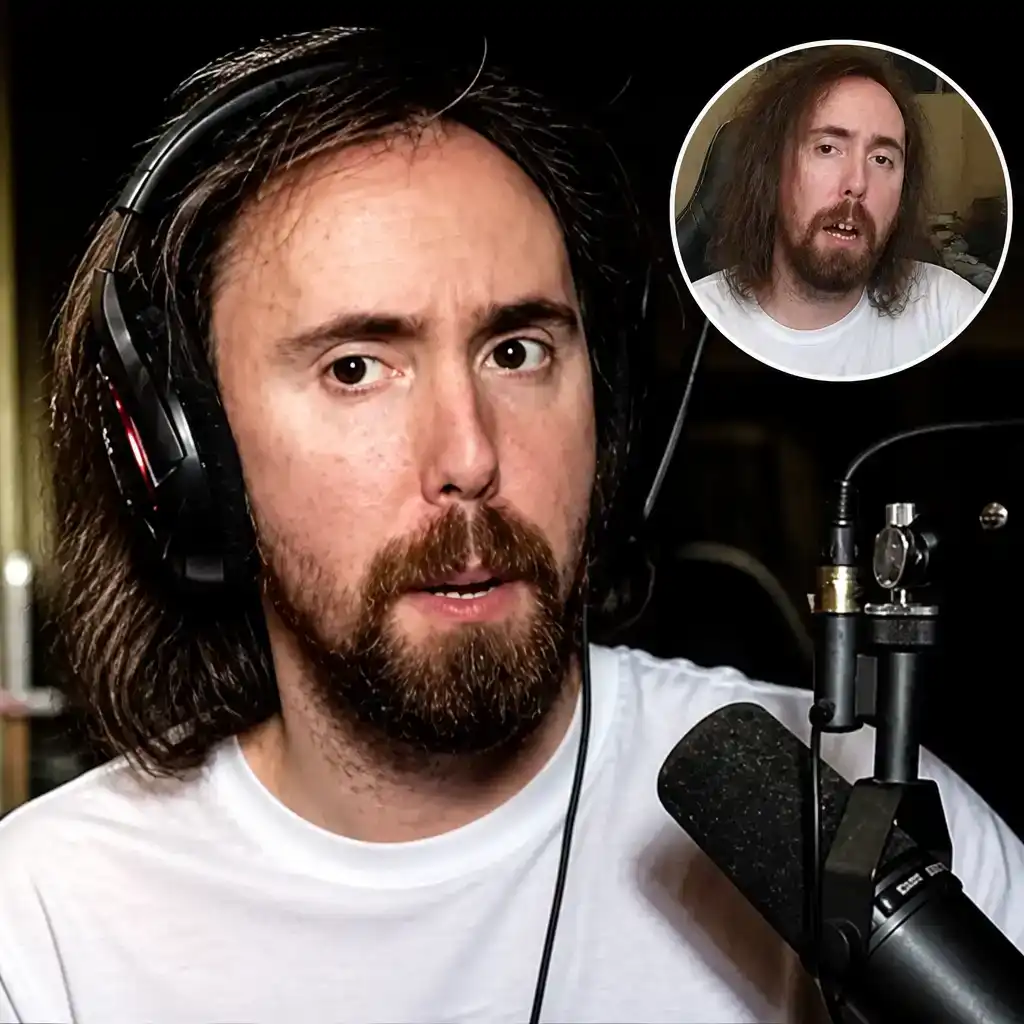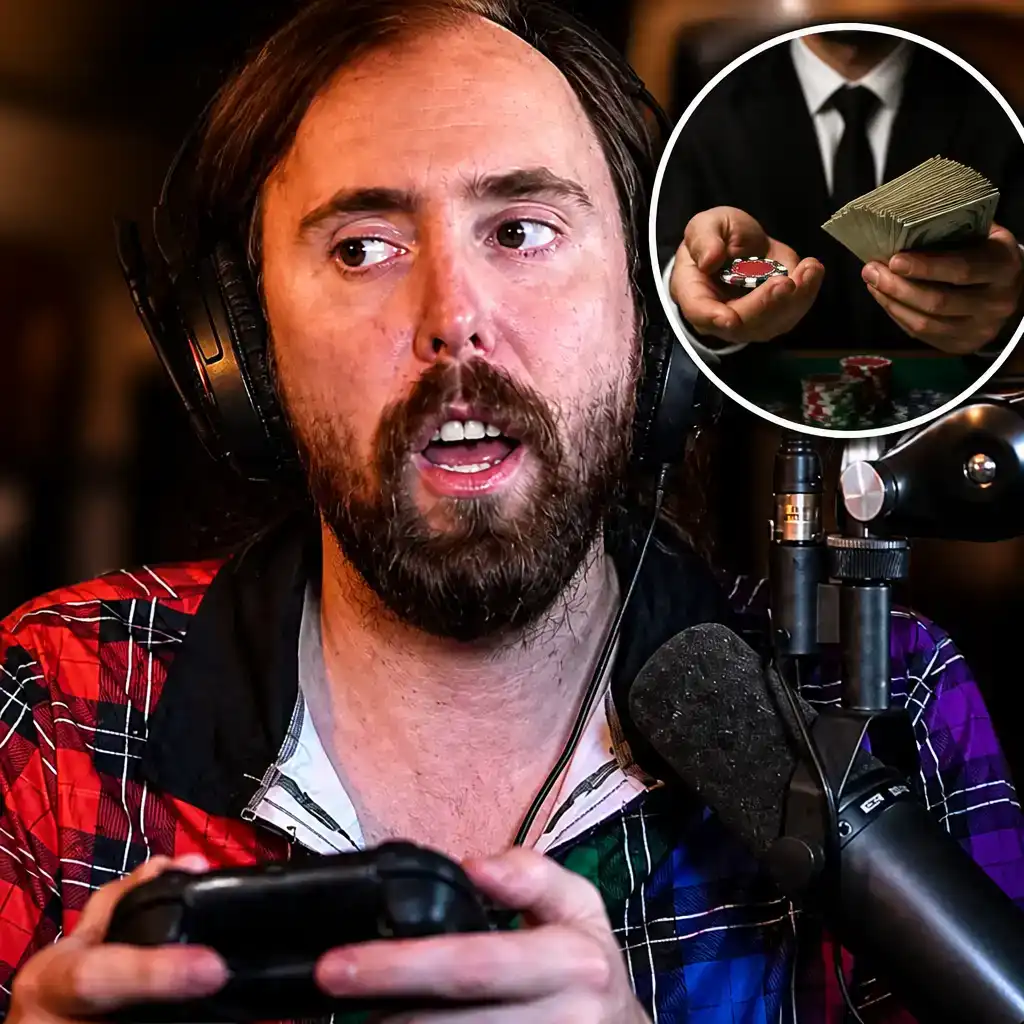
Asmongold says gambling sponsorship offers worth more than $20 million came his way during the streaming industry’s lucrative betting boom. He claims he rejected them for two straightforward reasons: he dislikes gambling, and he already has enough money.
The streamer discussed the offers during his October 13 broadcast while responding to criticism surrounding 100 Thieves founder Nadeshot and his sponsored Roobet streams. No sponsor has been identified, and no contracts or payment proposals have been published. For now, the eight-figure total relies entirely on Asmongold’s account, although no report has directly challenged it.
Why did Asmongold reject the gambling deals?
“I have received $20-plus million offers to do gambling sponsorships,” Asmongold told viewers. He said companies were offering streamers tens of millions of dollars in 2021 and 2022, when betting broadcasts had become a major and increasingly controversial part of livestreaming.
His explanation was notably free of financial complexity.
“I didn’t do it. I don’t like gambling,” he said. “Why would I do something that I don’t want to do? Like, I’m already rich.”
Asmongold also argued that sponsors assess streamers by their “conversion rates,” meaning how effectively they can turn viewers into paying customers. In his description, the business only works if the audience collectively loses more than the company spends on the sponsorship. Casinos, after all, are not generally known for distributing millions through administrative confusion.
Sportskeeda corroborated that he made the remarks while discussing Nadeshot. It also reported that Asmongold compared gambling with gacha games, arguing that gacha players cannot keep betting in an attempt to recover earlier losses. That distinction remains debatable, but it explains where he draws the line.
Has his position changed over time?
The latest comments are consistent with Asmongold’s public stance from four years earlier. In May 2022, he said he would reject even a hypothetical offer of $20 million per month to promote gambling.
That does not independently prove the newer claim about real offers. It does, however, show that his refusal is not a position assembled after the controversy had already arrived. He was publicly rejecting the idea while gambling streams were still attracting enormous sponsorship budgets.
His language has become sharper since then. Insider Gaming reported that Asmongold compared accepting such a deal to randomly sacrificing a viewer, citing the risk of suicide among people with gambling addictions. That comparison goes beyond what available research can establish about any individual sponsorship, but the underlying harm is measurable.
In July 2026, Britain’s Gambling Commission reported that 11.7% of 12,194 recent gamblers surveyed had experienced at least one adverse consequence. Among that group, 20.9% reported suicidal thoughts or attempts during the previous year, compared with 10.4% of respondents who reported no adverse consequence. The figures show an association, not proof that streaming promotions caused those outcomes.
Why Twitch and Kick treat gambling differently
The dispute also reflects a widening policy split between major streaming platforms.
Twitch prohibited broadcasts featuring Roobet and several other unlicensed slots, roulette and dice websites beginning October 18, 2022. The platform continued to allow sports betting, fantasy sports and poker, leaving a policy that restricts certain operators and products rather than gambling as a whole.
Kick takes a more permissive approach. Its May 2026 guidelines allow sponsored gambling streams when the operator is licensed in the streamer’s jurisdiction. Creators must apply age labels and disclose sponsorships and affiliate links.
Asmongold streams on Kick, so his refusal is personal rather than imposed by the platform. He could pursue licensed betting promotions under its rules but says he simply does not want to. The platform provides the door; he has declined to walk through it with a casino logo attached.
That distinction matters because gambling creators have increasingly found a home on Kick after Twitch tightened its rules. Supporters argue that regulated, clearly disclosed promotions are legitimate entertainment. Critics counter that streamer audiences can include young or financially vulnerable viewers, and that the sponsor’s profit depends on customers losing money.
What did Nadeshot say about the backlash?
Matthew “Nadeshot” Haag, the founder of esports and lifestyle company 100 Thieves, has faced criticism for promoting Roobet broadcasts, including through an artificial intelligence-generated video.
Nadeshot defended the promotional clip and dismissed the online reaction as excessive. “I used an AI video which I still love,” he said, adding that the internet was being “incredibly dramatic.”
He also argued that most people in his financial position would have accepted the deal. His advice to viewers who objected was direct: “Just don’t watch it.”
That response places responsibility on the audience, while Asmongold’s argument places it on the creator accepting the payment. The disagreement is not really about whether gambling content will disappear. Asmongold himself has said, “Gambling is here, and it’s here to stay.” The question is who chooses to profit from promoting it, and how much responsibility they accept for the people watching.