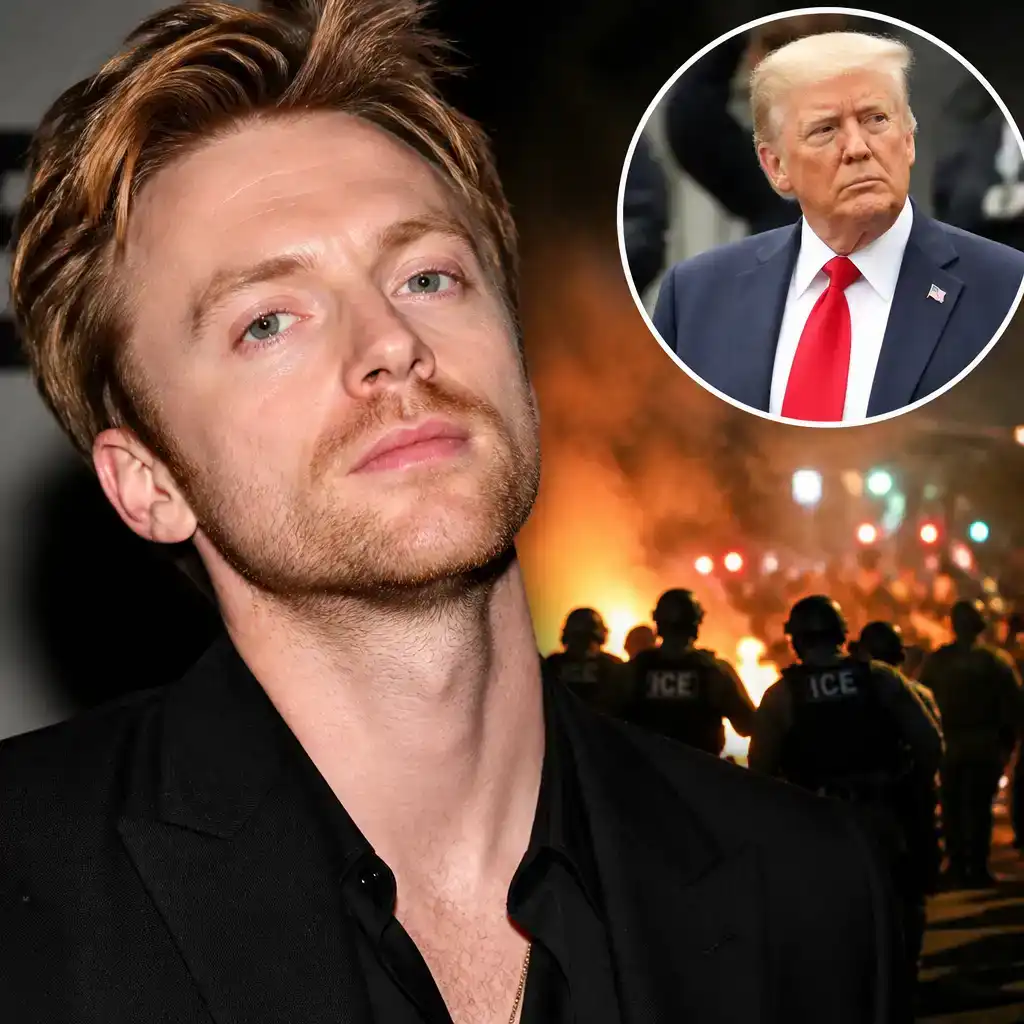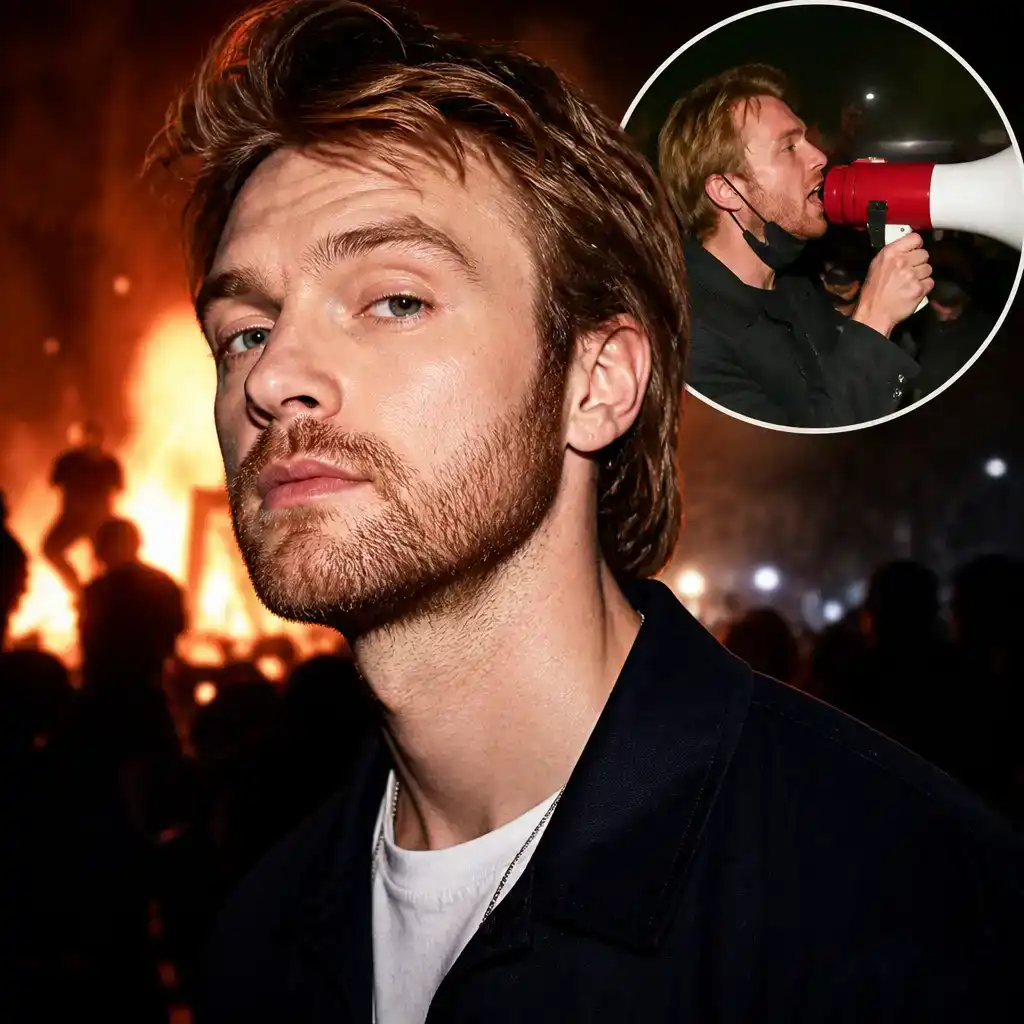
A viral protest message attributed to Oscar-winning musician Finneas has raised questions about political activism, but there is another important detail worth examining: the dramatic imagery being shared alongside reports of unrest in France.
A screenshot of an Instagram Story attributed to Finneas circulated on Reddit on October 20, featuring the Eiffel Tower, scenes of apparent unrest and a statement originally written by another social media user.
The message expressed a preference for a world "set ablaze in protest" rather than one living under the control of fascists and paedophiles.
The musician's apparent endorsement of the statement prompted criticism, particularly from people who interpreted its language as support for destructive demonstrations. However, the repost did not explicitly call for violence against individuals or businesses.
Not every dramatic image from the French protests is genuine
The controversy has unfolded against the backdrop of genuine large-scale demonstrations in France. On October 17, approximately 550,000 people participated in 110 marches, according to French government figures reported by the Associated Press.
Although most demonstrations were peaceful, some were accompanied by serious violence, looting and fires. In Limoges, the historic town hall suffered extensive damage.
Yet authentic reports of unrest have also been accompanied by misleading photographs and videos.
On October 19, independent fact-checking organisation Full Fact established that a widely circulated image apparently showing protesters waving Palestinian flags and throwing fireworks near the Eiffel Tower was generated using artificial intelligence.
Investigators traced that particular image to a satirical article published on October 6, before the major demonstrations of October 17.
Another investigation, published by Portuguese outlet Observador on October 27, established that a separate photograph presented as evidence of the current protests actually came from celebrations following Paris Saint-Germain's Champions League victory earlier in 2026.
These findings do not establish that the image appearing in the screenshot attributed to Finneas was fabricated or taken out of context. Its precise origin has not been independently established in the available reporting, and it would be misleading to identify it as one of the debunked images without confirming a match.
They do, however, illustrate why photographs circulating alongside political statements should not automatically be treated as evidence of a particular event.
Finneas has previously participated in protests himself
The musician's political involvement has extended beyond sharing messages online.
In June 2025, Finneas attended a demonstration in downtown Los Angeles against US Immigration and Customs Enforcement operations. He subsequently said he had been exposed to tear gas during what he described as a peaceful protest.
As The FADER reported at the time, Finneas accused authorities of escalating tensions during the demonstrations.
That documented involvement complicates the suggestion that his activism has been confined to social media, although it does not establish what he intended by sharing the more recent message.
What the viral post actually proves
The central distinction is between sharing provocative political rhetoric, endorsing the right to protest and explicitly advocating physical destruction.
Those positions are not interchangeable. The wording of the message attributed to Finneas is open to interpretation, but the available evidence does not establish that he instructed followers to commit violent acts.
Likewise, a dramatic image accompanying a statement cannot establish where or when the depicted event occurred without additional verification.
As The Hook previously reported, the repost prompted disagreement over whether its language expressed solidarity with resistance to perceived oppression or appeared to trivialise the consequences of violent unrest.
The subsequent fact-checking of imagery associated with the French demonstrations adds an important caution to that debate: the political argument and the authenticity of the images used to illustrate it are separate questions, and both deserve scrutiny.