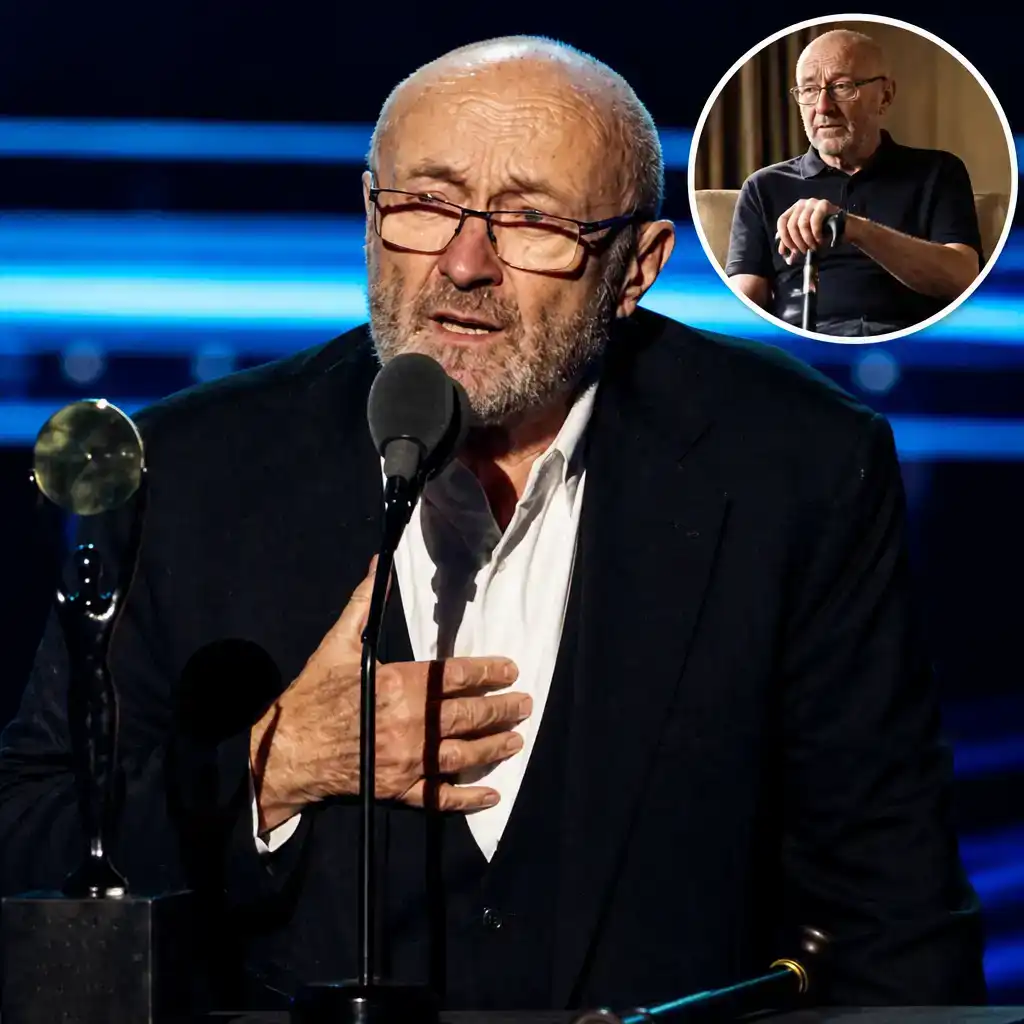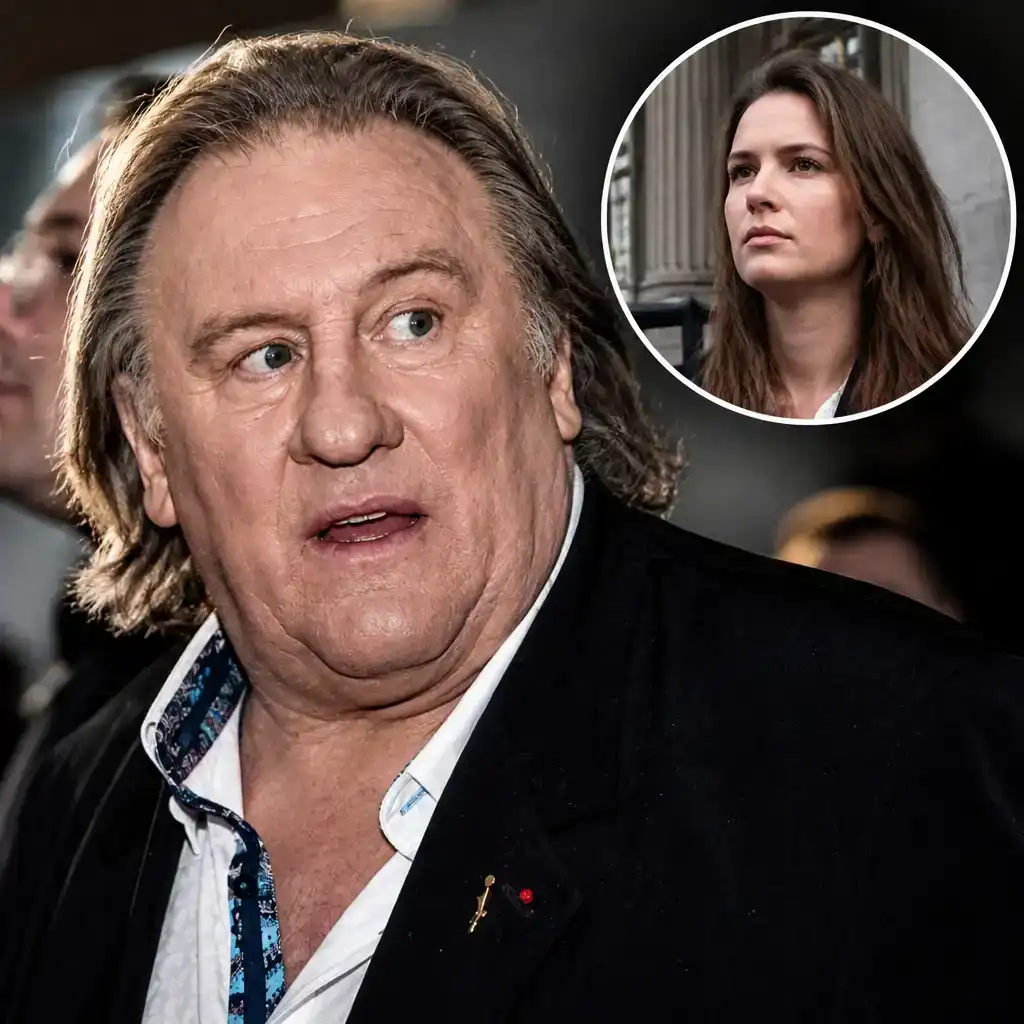
Gérard Depardieu has withdrawn his sexual assault appeal, making his conviction and 18-month suspended prison sentence final. The decision closes the case involving two women who worked on the 2021 film Les Volets verts, although the actor’s carefully phrased statement accepts the court’s judgment rather than plainly admitting the underlying allegations.
The 77-year-old actor did not attend the Paris appeal hearing on Monday, November 16, 2026. According to AFP, his withdrawal was formally recorded when proceedings opened. Prosecutors and the civil parties also abandoned their appeals, definitively ending a hearing that had been scheduled to last five days.
“Justice has spoken. I have been found guilty. I accept this and take responsibility for this conviction,” Depardieu wrote in a statement titled “J’entends,” meaning “I hear.” He offered “deep and sincere apologies” to those who “may have suffered as a result.” The word may is doing some fairly visible legal work.
What did Depardieu acknowledge?
Depardieu said he had spent years hiding behind “provocation and ribald humour” on film sets. He acknowledged that his words and some of his actions had consequences, particularly because of his status and power within the industry.
“I never intended to hurt the women I met,” he wrote, before adding that “intention does not change the hurt.” He concluded: “I have come to understand that I belonged to a world that no longer exists.”
The statement marks a sharp change from the combative defence presented during his criminal trial. Still, it is not an unqualified confession. AFP reported that Depardieu continues to deny the allegations themselves, even while accepting the verdict and abandoning any attempt to overturn it.
His new lawyer, Delphine Meillet, described the decision as the result of a “long period of reflection and maturation.” She said Depardieu wanted to spare both the complainants and himself another hearing.
“He is a man who has come a long way, who has reached a turning point,” Meillet said. She added that he had listened, apologised and recognised that conduct presented as impertinence could cause harm.
Why was he convicted in 2025?
The Paris criminal court found Depardieu guilty on May 13, 2025, of sexually assaulting two crew members during the filming of Jean Becker’s Les Volets verts. AFP identified the women as a set decorator and an assistant director.
According to reporting cited by La Repubblica, the court relied on the consistency of the women’s accounts and significant changes in Depardieu’s statements between his detention and the trial. The sentence included:
- An 18-month suspended prison term
- A two-year ban on holding elected office
- Registration in France’s national database for sexual and violent offenders
- Compensation and damages for both complainants
Le Monde reported that one woman received €4,000 and the other €2,000. Each was also awarded €1,000 for “secondary victimization” caused by the way the defence treated them in court. Other compensation pushed the total above €10,000, according to TV5Monde.
That secondary finding was an unusually pointed part of the judgment. The court did not merely rule on what happened during filming. It also concluded that the defence’s aggressive courtroom tactics caused the women additional suffering. Apparently, making a trial more punishing for complainants can itself have a price.
After the verdict, Carine Durrieu-Diebolt, the lawyer representing a complainant named Amélie, said the ruling meant “we can no longer say” Depardieu was not a sexual abuser.
Does another criminal case still await him?
The end of this appeal does not resolve Depardieu’s wider legal problems. He still faces a separate case involving French actor Charlotte Arnould, who accused him of rape over alleged incidents in 2018.
An investigating judge ordered Depardieu to stand trial on rape charges in September 2025. He appealed that decision, and the Paris appeals court is expected to rule on November 26, 2026, on whether the case will proceed to trial. Depardieu has consistently denied Arnould’s allegations.
The timing gives his public change of tone added significance. His statement may represent genuine reflection, a legal repositioning before the next ruling, or some combination of the two. Nothing in the available reporting settles that question.
What is settled is the first case. Depardieu, whose screen career spans more than 200 productions, will serve no immediate prison time unless the suspended sentence is activated under applicable conditions. But the conviction, offender registration, damages and two-year disqualification from elected office now stand without further appeal.
For a figure whose case became a major test for France’s #MeToo movement, the final result is more substantial than the qualified language of his apology. He has accepted the judgment, the complainants will not face a second hearing, and the legal record is no longer open to revision.