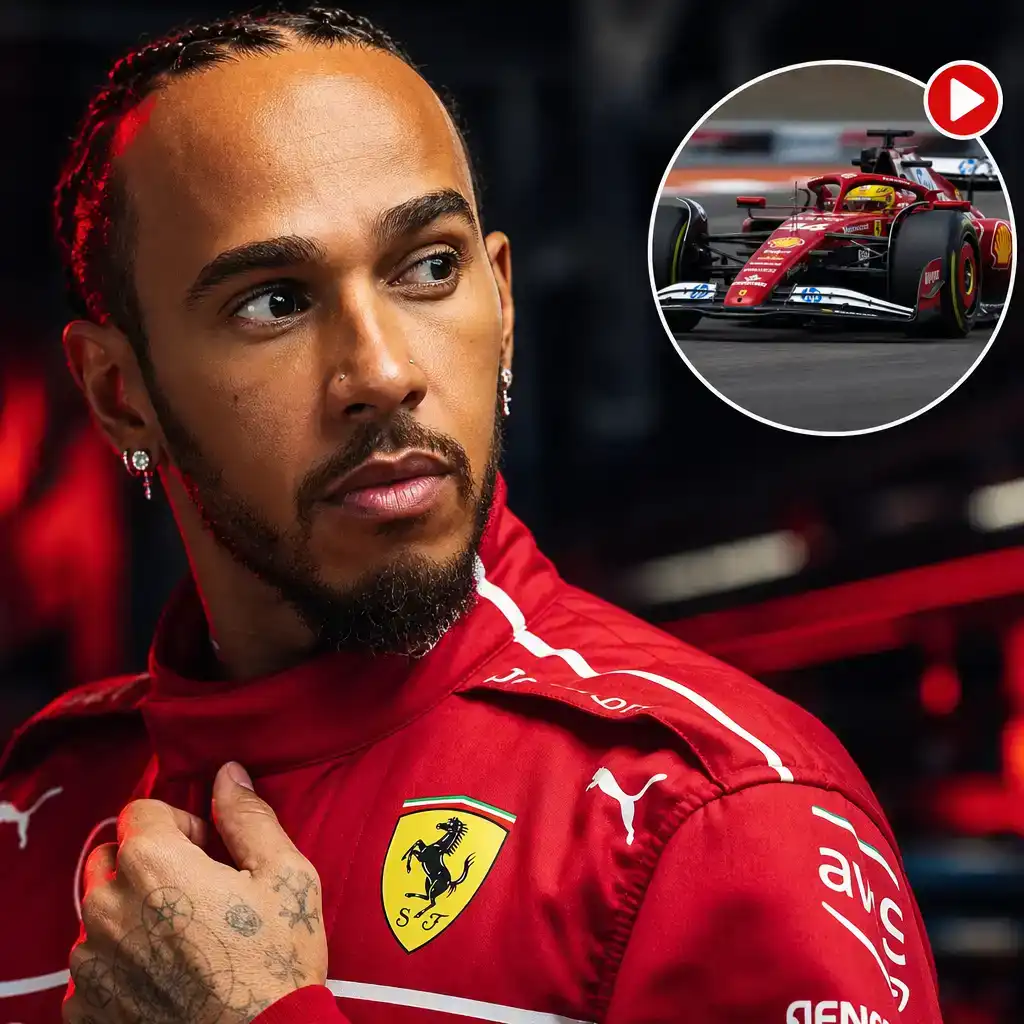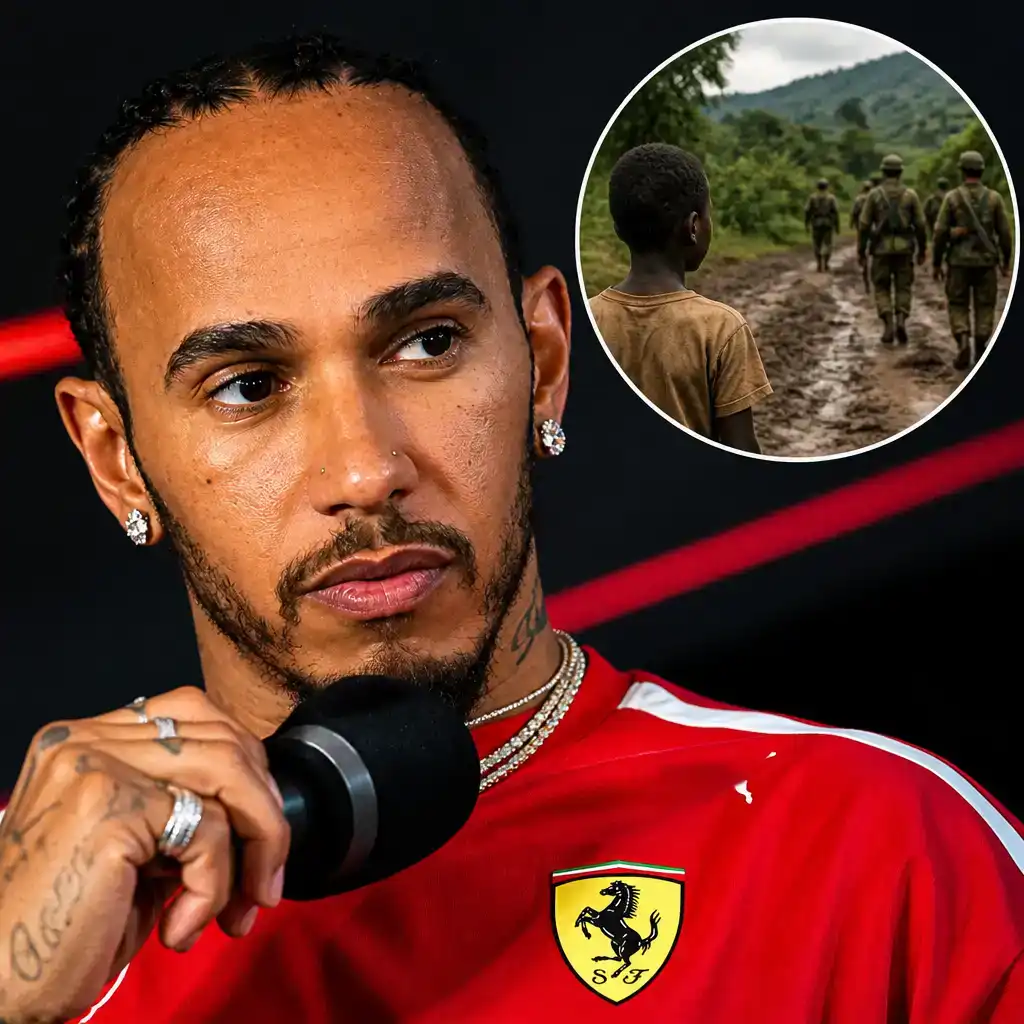
Lewis Hamilton has welcomed the Rwanda Grand Prix as a long-awaited return to Africa while calling for freedom for people in the Democratic Republic of the Congo, Palestine, Sudan and Syria. His position is enthusiastic but not uncomplicated, which is understandable when a sporting dream arrives carrying several human rights questions and an unbuilt circuit.
Speaking before the United States Grand Prix on October 22, the seven-time Formula One champion said: “I think we need to make sure we’re pushing to free Congo, free Sudan, free Syria, free Palestine.”
“There’s a lot of peace that I’m hoping we get to at some stage,” he added.
Hamilton has repeatedly called for a ceasefire in Gaza. Asked about racing in Rwanda, he acknowledged reports concerning the country’s domestic record and its alleged support for M23 rebels fighting in eastern DR Congo.
Why Rwanda’s Formula One deal is disputed
Formula One signed a 10-year agreement with Rwanda on October 13, with the first race planned for the early 2030s. That schedule remains conditional on completing a new FIA Grade 1 circuit in Bugesera, roughly 40 kilometres south of Kigali and near Rwanda’s planned international airport.
President Paul Kagame said the event would be shared with “more than 100 million fans across Africa.” Supporters, including African Sports Investor chief executive Abi Ijasanmi, argue it could connect motorsport with tourism, technology and investment.
Critics see a less polished picture. Amnesty International described the agreement as a “sportswashing prize,” while Human Rights Watch said it had asked Formula One in February how the organisation would prevent event-related abuses and avoid helping Rwanda improve its international image without meaningful reform. Human Rights Watch has not published a substantive response from Formula One.
Rwanda’s government has faced longstanding allegations that it suppresses political opponents and independent media. DR Congo, the United States and United Nations experts have also accused Rwanda of supporting M23. Kigali has denied backing the rebel group.
Congolese Foreign Minister Thérèse Kayikwamba Wagner called Formula One’s decision “morally indefensible” and said it would “polish the image of an authoritarian leader.” No public response from Formula One, Rwanda or DR Congo followed Hamilton’s remarks.
Hamilton says racing there should invite scrutiny
Hamilton stressed that drivers do not decide the calendar and argued that holding a race in Rwanda should not mean ignoring events in the country or across the region.
“Going there doesn’t mean that you neglect the things that are happening there,” he said. “Hopefully many people start to educate themselves a little bit more about what is happening there and what has happened there for hundreds of years.”
He also criticised how little African history he encountered while growing up in England, saying it should be included in school curriculums. Hamilton linked many of the continent’s continuing problems to colonialism and Western intervention.
That leaves Formula One with questions extending beyond whether the track can be finished. Rwanda’s gross domestic product per person is just over $1,100, according to reporting by the Associated Press. Public details remain limited on financing for the circuit, binding benefits for local communities and the safeguards that would accompany construction and staging of the event. A premium motorsport calendar is one thing. Development accountability is less easily fitted into a hospitality package.
Africa’s return could still involve more than Rwanda
Hamilton has campaigned for years to bring Formula One back to Africa, which last hosted a championship race at South Africa’s Kyalami circuit in 1993. He said he had held repeated meetings with Formula One chief executive Stefano Domenicali and spoken with presidents and other stakeholders across the continent.
“For me, it’s a place that deserves to have a Grand Prix,” Hamilton said. “It’s about more than just one country. It’s about the continent itself.”
South Africa is still pursuing a race, and its sports minister has argued that Africa could sustain more than one event. DR Congo has supported South African alternatives, suggesting its objection concerns Rwanda’s selection rather than an African Grand Prix itself.
The prospect may even affect Hamilton’s retirement plans. The Ferrari driver, who turns 42 in January, has a contract through 2027 and reportedly holds an option for 2028. He joked that the African race now forces him to remain in Formula One much longer, although an early-2030s debut would require rather more than one contract extension.
“If I can still punch out good results over the next year, we’ll keep it going,” he said.
Kimi Antonelli, the 20-year-old Mercedes driver who replaced Hamilton and joined him at the news conference, offered a simple instruction: “You got to do at least the first one.”