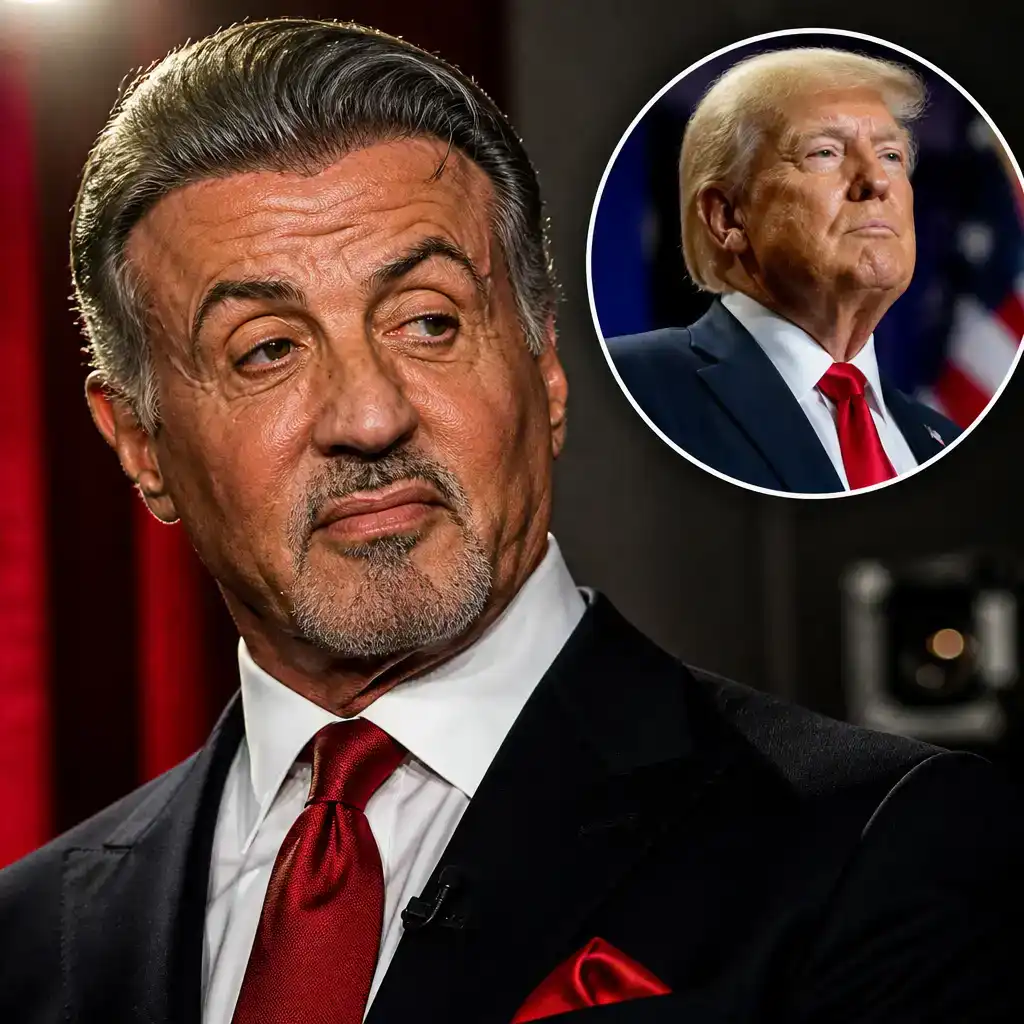
The Stallone-Schwarzenegger feud lasted roughly 20 years, according to Sylvester Stallone, and became so tense that he and Arnold Schwarzenegger once refused to share a stage. They now offer slightly different explanations for how peace arrived, which feels appropriate for two men who spent decades competing over everything from salaries to fictional body counts.
Speaking on The Rest Is Entertainment on November 5, Stallone described the rivalry as “very contentious.” He also admitted that the hostility helped drive both actors to make increasingly extravagant action films.
“The madder I made him, the madder he made me, the more he fought to make the next action film bigger-than-life, louder, more body count, this and that, better location,” Stallone said. “It just kept elevating.”
Why did their rivalry become so intense?
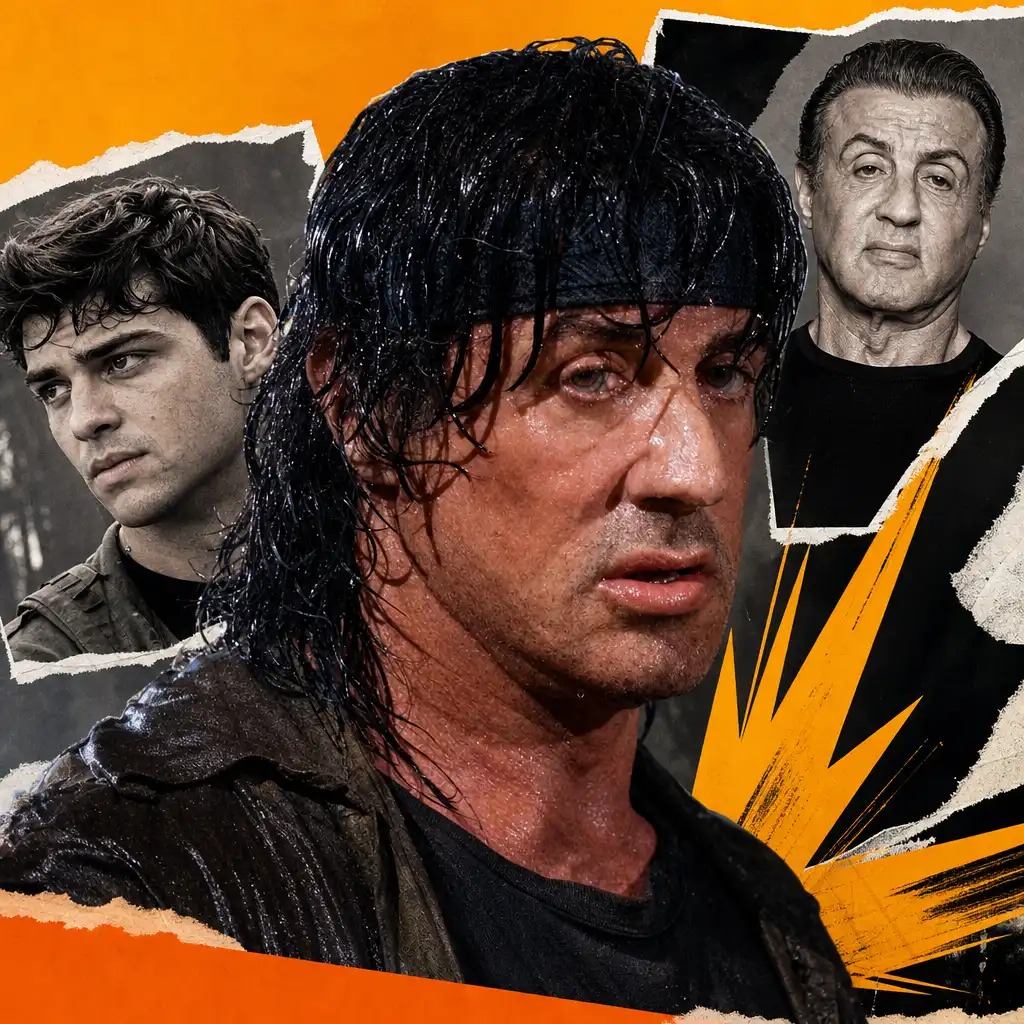
Stallone became a major star after Rocky opened in 1976, then built an action career through the Rambo films, Cliffhanger and Demolition Man. Schwarzenegger, a bodybuilding champion turned actor, answered with Commando, Predator and the Terminator franchise.
By the 1980s and 1990s, both men were chasing many of the same roles and measuring success in unusually direct terms. In the 2024 Fox and TMZ special Arnold & Sly, Schwarzenegger recalled their scorekeeping: “You killed 28 people in a movie, I killed 32.” Cinema was apparently an accounting exercise with heavier weapons.
The competition had real financial stakes. A 1993 report by The Roanoke Times estimated Schwarzenegger was earning close to $15 million per film, while Stallone received between $6 million and $9 million.
It also affected their creative decisions. Schwarzenegger has admitted that he pretended to want the lead in Stop! Or My Mom Will Shoot, encouraging Stallone to take the role instead. The 1992 comedy was poorly received, making this one of the more elaborate ways an actor has disposed of an unwanted script.
Did politics really end the feud?
Stallone says Schwarzenegger’s move into politics finally removed the reason for their competition. Schwarzenegger was elected governor of California in 2003 and won re-election in 2006.
“I said, ‘Enough of this, we’re not in competition,’” Stallone recalled. “He was not doing movies anymore. All right. Thank you very much for waking me up, lighting a fire under me. And he felt the same way.”
Stallone said the dispute “wasn’t put to bed until like 20 years” after it began. With Schwarzenegger occupied in Sacramento rather than pursuing action roles, the professional contest had effectively paused.
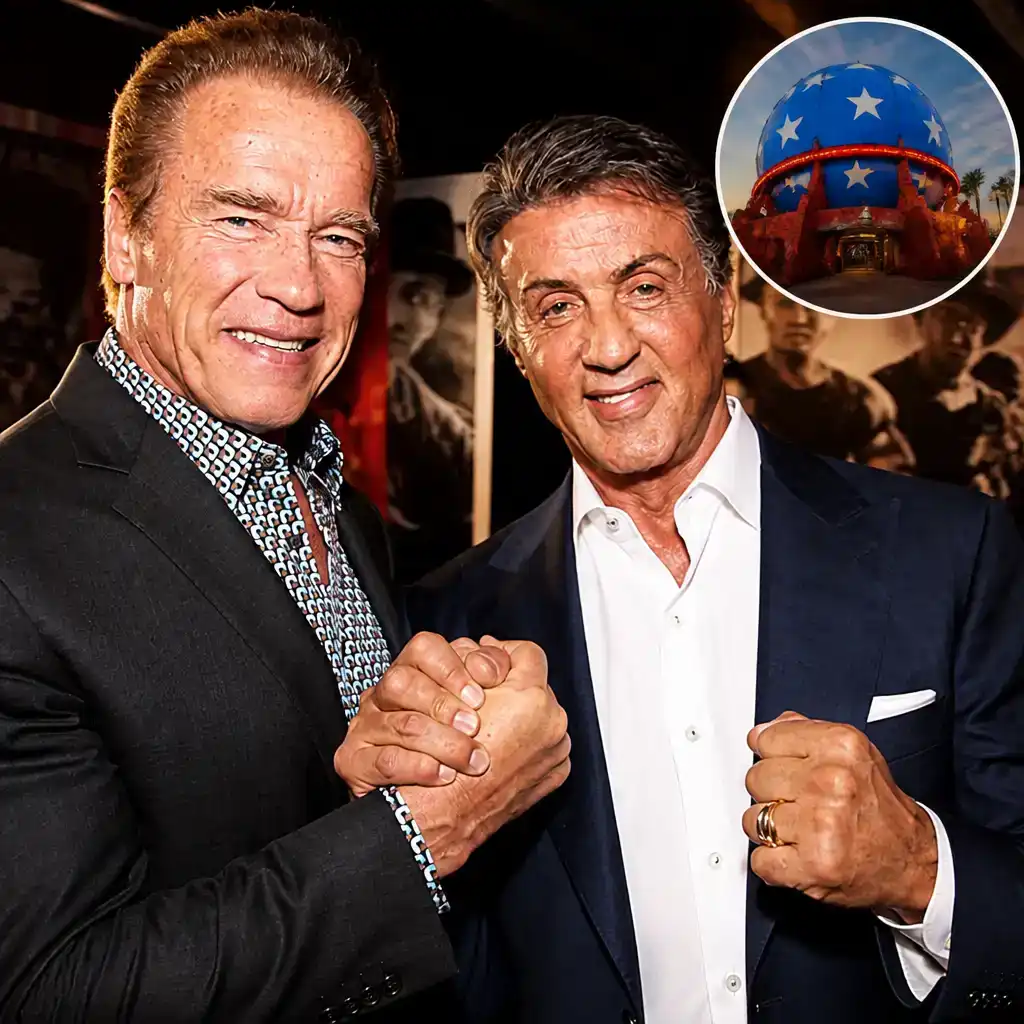
Schwarzenegger has offered another version. At attorney Jake Bloom’s memorial in 2023, he credited Bloom with persuading both actors to invest in the Planet Hollywood restaurant chain. Schwarzenegger later told The Graham Norton Show that their shared investment and the promotional travel it required turned them into “fantastic friends.”
The accounts are not necessarily incompatible. Planet Hollywood may have softened the relationship, while politics removed the remaining professional pressure. Reconciliation rarely arrives with a single, neatly labelled cause, even in Hollywood.
When did they begin making films together?
Stallone said the rivalry once prevented them from appearing together for a presentation or speech, despite both being Planet Hollywood investors. Their eventual screen partnership therefore carried more significance than the size of the first role suggested.
Schwarzenegger filmed an unpaid cameo with Stallone and Bruce Willis for The Expendables in October 2009. The film, co-written by Stallone and David Callaham, opened on August 13, 2010, with a cast that also included Jason Statham, Jet Li and Dolph Lundgren.
Contrary to some retellings, Schwarzenegger had not yet left office. He remained California governor during filming and release, with his term ending in January 2011. His appearance as Trent “Trench” Mauser was a cameo rather than a full partnership.
Schwarzenegger returned for two sequels, playing Trench in three franchise instalments overall. He and Stallone did not become true co-leads until Escape Plan in 2013, when they played inmates attempting to break out of a high-security prison.
Has the competition actually disappeared?
Not entirely. Stallone said they will “always” remain competitive because both men enjoy it, although the financial contest has faded.
“We’re not as financially competitive anymore,” he said. “That’s long gone.”
He also argued that Hollywood is unlikely to produce another rivalry quite like theirs, with two actors working in the same genre and openly trying to outperform each other both on and off screen.
Later reflections from both men have been noticeably warmer. In the 2023 Netflix documentary Arnold, Stallone conceded that Schwarzenegger “was superior” as an action star because “he had the body” and “the strength.” During Arnold & Sly, Stallone described his former rival as big-hearted.
Their friendship has not erased the competitive instinct. It has simply redirected it into affectionate scorekeeping rather than professional hostility. After two decades of bigger explosions, higher salaries and at least one strategically promoted bad comedy, that qualifies as progress.