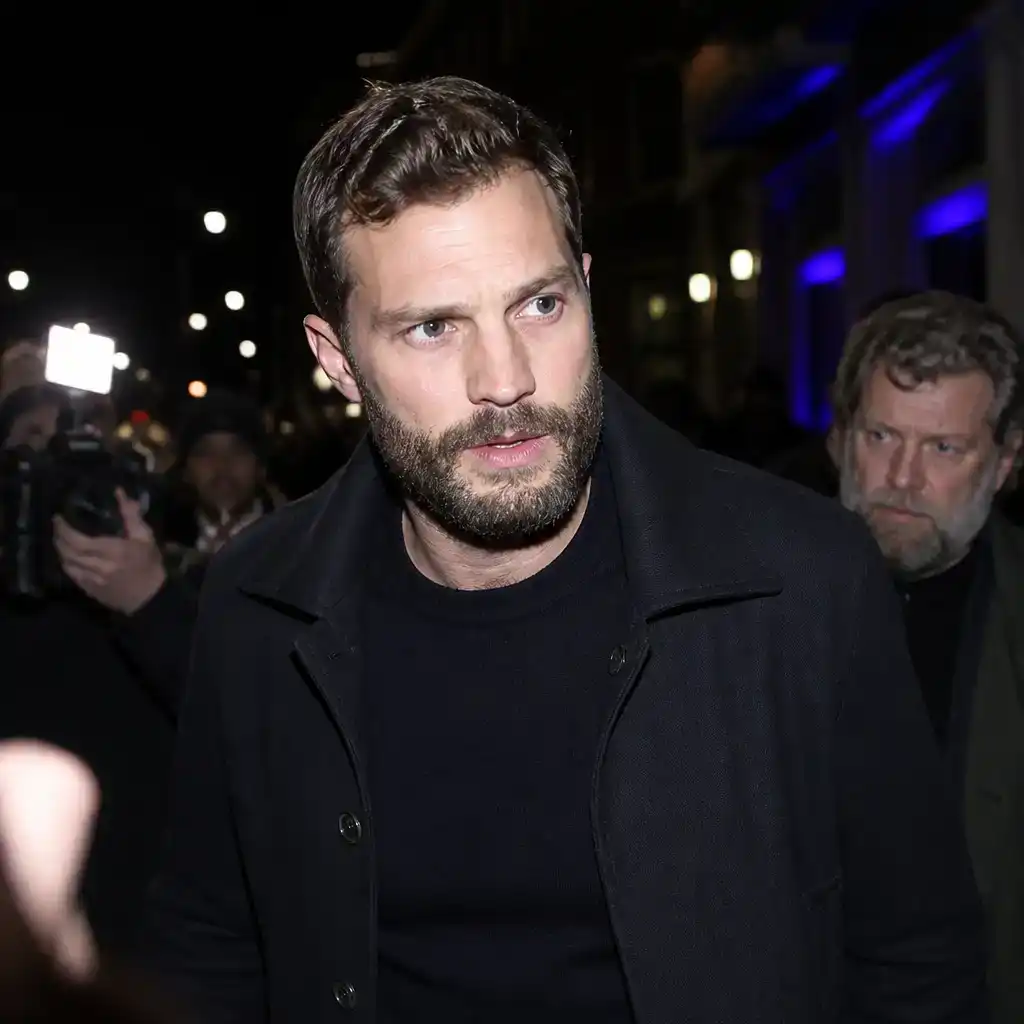
Jamie Dornan as Aragorn proved emotional before filming even began. The actor said he cried when he learned he would play the future king in The Lord of the Rings: The Hunt for Gollum, a role closely associated with Viggo Mortensen and guarded by fans with entirely predictable intensity.
“I cried. I actually cried,” Dornan told Entertainment Tonight. He called the casting “an absolute dream and an honor,” particularly because Aragorn carries such importance within J.R.R. Tolkien’s world. Dornan also praised Mortensen’s performance across Peter Jackson’s original trilogy, making clear he understands exactly whose boots he has been asked to fill.
The actor said he completed his scenes roughly three weeks before the interview and described filming as “incredible.” His main concern now is whether audiences accept this new chapter.
“I hope people welcome our story into that world because a lot of people care about it, and I really realize that,” he said. “Hopefully we’ve done a good job of it.”
How is Dornan approaching Viggo Mortensen’s role?
Dornan is not presenting his performance as an attempt to replace or surpass Mortensen. Speaking to L’Officiel in October, he acknowledged the pressure but rejected any suggestion of a competition between Aragorns.
“For me, Aragorn will always be just Viggo,” he said, describing Mortensen’s work as one of his favorite performances. “I feel honored to try to recapture at least some of the energy he originally brought to the character.”
That is probably the safest available position when inheriting one of modern fantasy cinema’s most recognizable roles. Dornan can bring his own interpretation, but pretending audiences have forgotten Mortensen would require a level of optimism rarely seen outside studio marketing departments.
Co-star Leo Woodall has already offered a more direct endorsement. Discussing the new casting, he said: “My Aragorn is now Jamie Dornan.”
The film will feature Aragorn during his years as Strider, before the events that lead him toward the throne of Gondor. That gives Dornan some room to portray an earlier version of the character rather than recreating Mortensen’s journey scene by scene.
Where does The Hunt for Gollum fit in the story?
The Hunt for Gollum draws from the chronology surrounding The Fellowship of the Ring. Gandalf asks Aragorn to find Gollum before Sauron’s forces can extract information about Bilbo Baggins and the ring he carried away from the Misty Mountains.
Producer and screenwriter Philippa Boyens has described the project as both a “bridging film” and a Gollum origin story. It is designed to occupy a gap within the established movie timeline, connecting familiar events without simply making the original trilogy again with newer cameras.
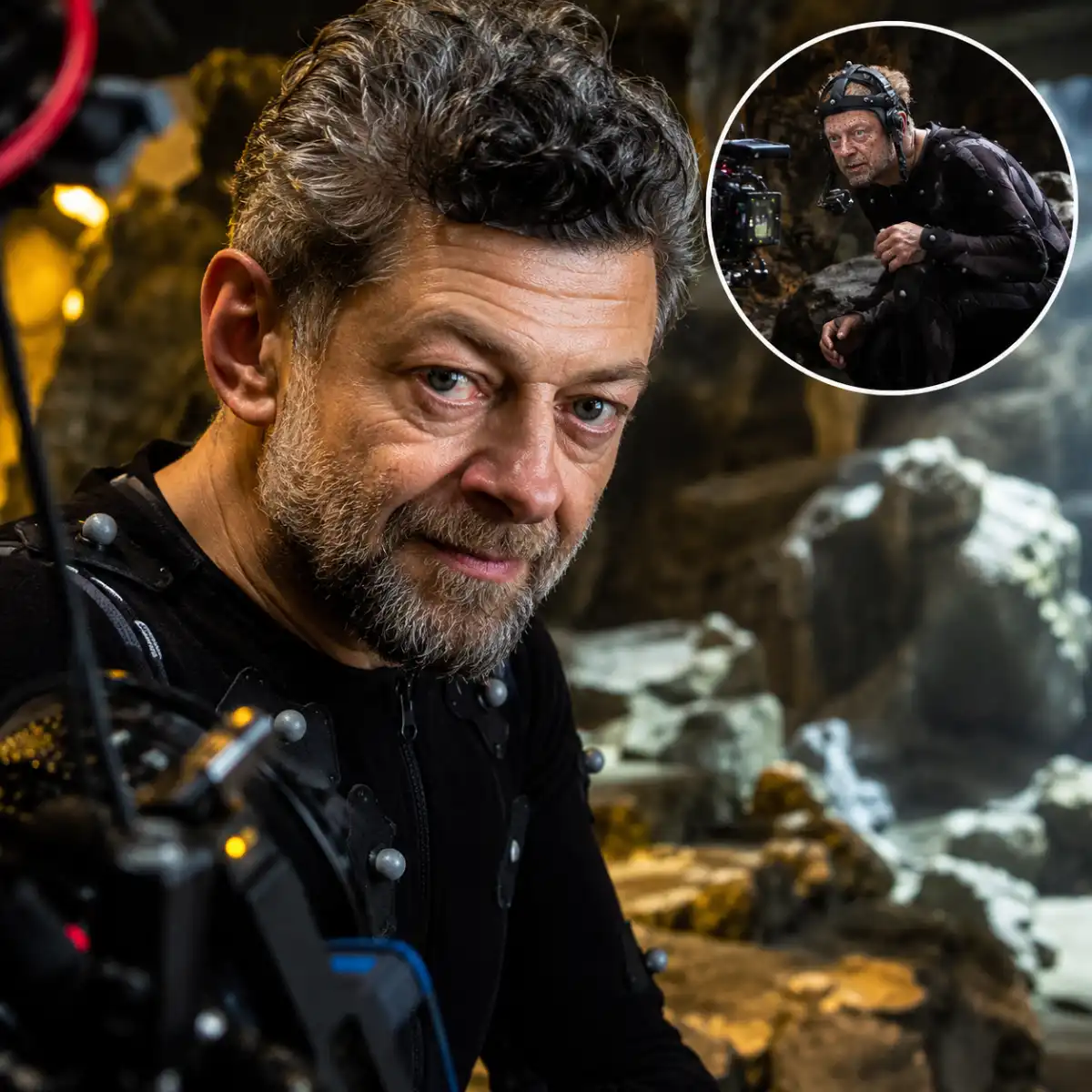
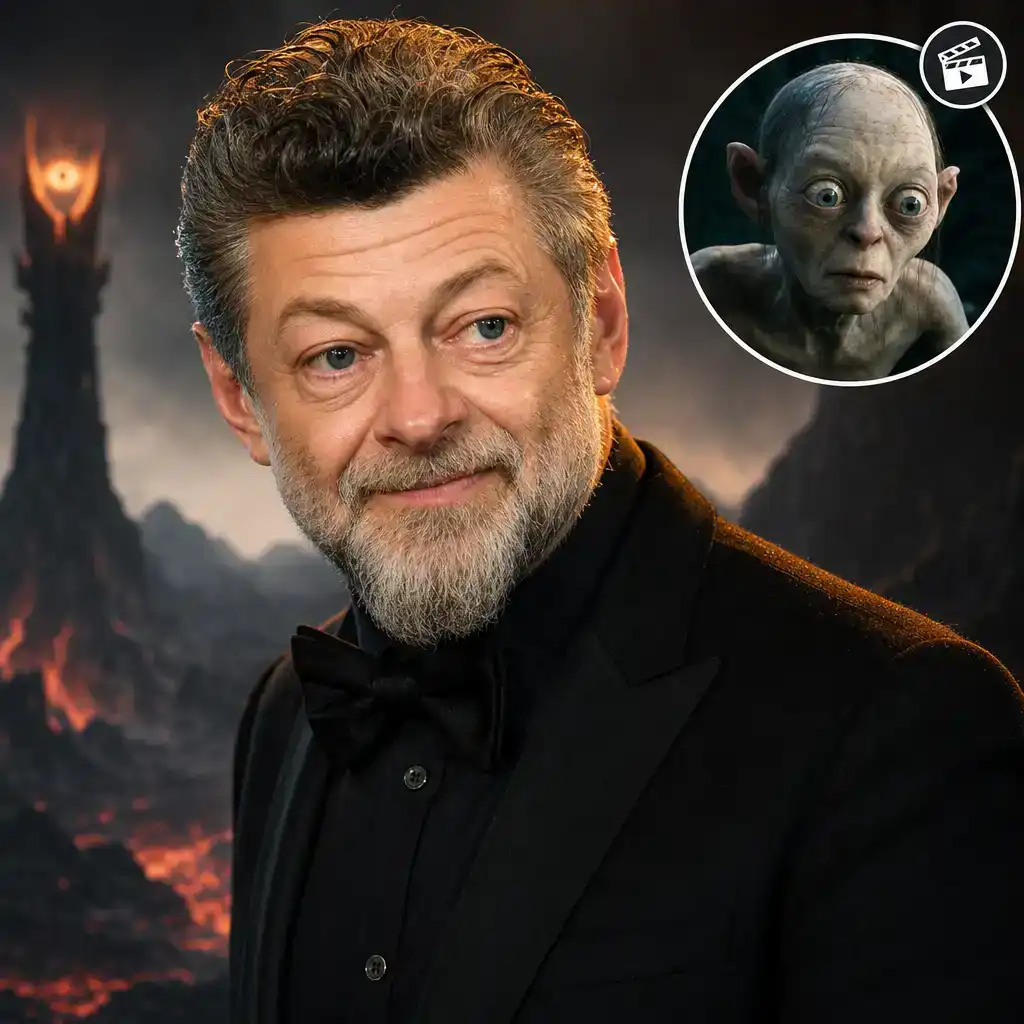
Andy Serkis is directing while also returning as Gollum, the character he portrayed through voice and motion-capture performance in Jackson’s films. Serkis told USA Today that handling both jobs had been “insane” and was affecting his sleep. Apparently directing yourself as a digitally created, psychologically fractured cave-dweller does not encourage restful evenings.
ComingSoon reported on November 9 that Serkis had recently wrapped filming. Dornan’s earlier comment only confirmed that his own scenes were finished, not that the full production had ended. Peter Jackson said in October that about two weeks of shooting remained at that point, which broadly fits the later reported schedule.
Which original cast members are returning?
Several actors from Jackson’s earlier films are coming back alongside Serkis. Ian McKellen will return as Gandalf, Elijah Wood as Frodo Baggins and Lee Pace as King Thranduil.
The announced newcomers include:
- Kate Winslet as Marigol
- Leo Woodall as Halvard
- Anya Taylor-Joy as an elf
- Jamie Dornan as Strider, later known as Aragorn
The returning cast creates an obvious technical complication: the story takes place around events filmed more than two decades ago. Serkis has said artificial intelligence assists with “some of the de-aging,” although he stressed that every shot is still created through traditional filmmaking methods.
That distinction will matter to audiences already suspicious of studios using artificial intelligence as a replacement for artists. Here, the technology appears to be one part of a broader visual-effects process rather than a button marked “make everyone look like it is 2001.”
The production also reunites key figures from the film franchise, with Peter Jackson involved alongside Boyens. Their six previous Middle-earth films were not minor commercial experiments. Variety reported that the Lord of the Rings trilogy and The Hobbit trilogy each earned about $2.9 billion worldwide.
When will the film reach cinemas?
Warner Bros. has scheduled The Lord of the Rings: The Hunt for Gollum for theatrical release on December 17, 2027. The studio originally targeted 2026 before moving the film back a year.
The project may also be the beginning of another two-film plan. Screen Daily reported that it was conceived as the first of two movies, while Jackson said in October that a proposed follow-up, The Shadow of the Past, remained in script development. A second release has not yet received the same firm date.
For Dornan, the immediate task is surviving comparisons with Mortensen, which began as soon as his casting became public and will continue through opening weekend. His comments suggest he is approaching the role with admiration rather than an urge to overwrite what came before.
Whether audiences agree will depend on more than respectful interviews. The film must justify returning to a heavily examined section of Tolkien’s timeline, integrate familiar actors convincingly and give Gollum another story worth telling. No pressure, apart from the expectations attached to two trilogies that collectively earned nearly $6 billion.