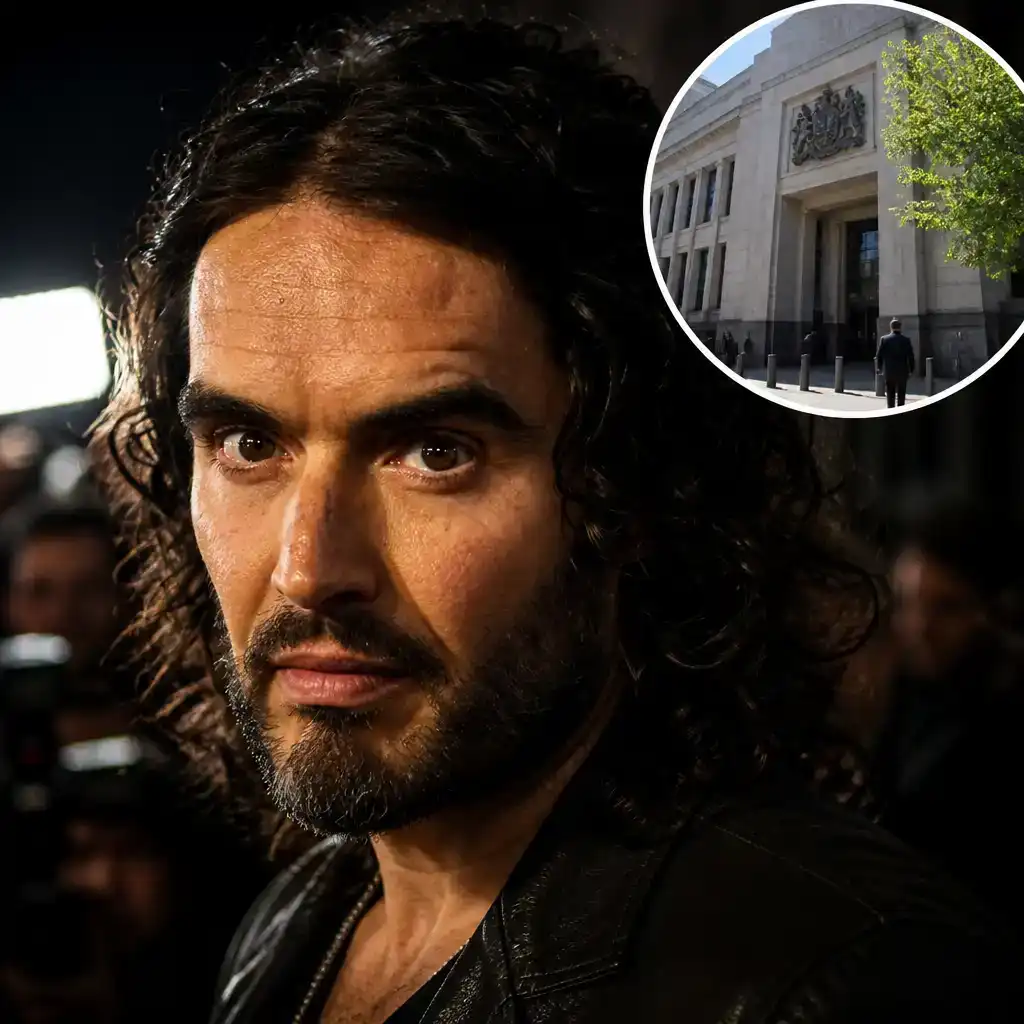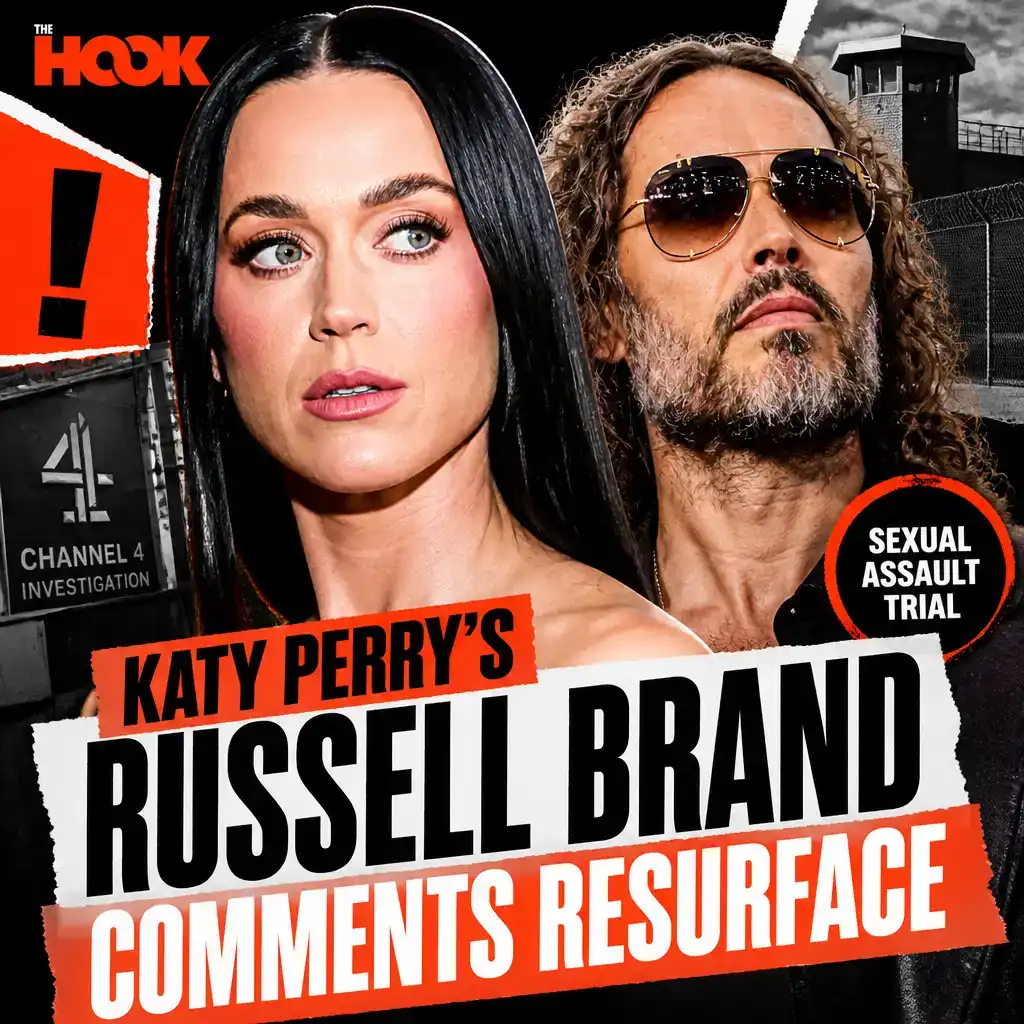
Katy Perry’s Russell Brand comments from 2013 have resurfaced after the comedian was sentenced to 10 years and six months in prison for rape and sexual assault. Her description of Brand as “very controlling” now carries a darker public context, although Perry’s remarks concerned their marriage and were not evidence in his criminal case.
Brand was convicted of raping one woman and sexually assaulting three others in offences committed between 2004 and 2009, before he married Perry. The sentence followed a four-week trial and years of questions about what broadcasters, employers and colleagues knew about his conduct. Apparently, celebrity status once again proved highly effective at making difficult questions seem optional.
What Katy Perry said about their marriage
Perry married Brand in 2010 after a high-profile relationship. The marriage ended quickly, with Brand informing her by text message in December 2011 that he planned to file for divorce.
Speaking to Vogue in 2013, Perry described him as “very controlling.” She said he struggled with her taking charge while she was touring and recalled that he had made jokes about her during one of his comedy performances, apparently without realizing she was in the audience.
Perry also said she initially blamed herself for the divorce. That changed, she explained, after she learned what she called “the real truth” about the relationship ending. She declined to reveal what she had discovered, saying she was keeping it to herself.
An old red-carpet interview from 2010 is also circulating again. After Perry challenged Brand for pretending he had watched the Oscars, he told her not to swear and appeared to display a small badge bearing the word “Obey.” The moment was awkward at the time. It has not improved with age.
None of Perry’s comments described the offences for which Brand was later convicted, and she did not testify in the case.
Why Perry’s concert joke drew attention
Perry referred to an unnamed ex during a July 2026 concert in England. When a fan asked her to act out her reaction to seeing her former partner, she joked: “I hope my ex isn’t here. He should be in jail!”
The line attracted fresh attention after Brand’s conviction and sentence, with social media users treating it as newly significant. There is no reported indication that Perry was referring to specific evidence in the criminal proceedings.
Her relationship with Brand began after the offences established at trial. Prosecutors said the four crimes took place between 2004 and 2009 and involved four women.
Brand faced seven charges involving six accusers. A jury convicted him of one count of rape and three counts of sexual assault, while acquitting him of two further rape charges and one attempted indecent-assault charge.
At sentencing, Mr Justice Bennathan made clear that the acquitted allegations and separate claims aired in documentaries did not affect the punishment. He told Brand that women retain the right to refuse sex regardless of “whatever women wear, wherever they go, whatever they drink.”
What Russell Brand’s sentence means
Brand must serve two-thirds of his 10-year, six-month prison term before he can become eligible for release on licence. He will remain on the sex-offenders register for life.
One victim said she had feared reporting him because she believed nobody would accept her account. Detective Superintendent Andy Furphy praised the women’s “extraordinary courage, resilience and determination” in pursuing the case.
The conviction has also generated public disagreement. US broadcaster Megyn Kelly called the verdict a “travesty” and criticised the length of the sentence on her programme. Police and prosecutors, meanwhile, pointed to the jury’s findings and the testimony of the women whose allegations resulted in convictions.
The Metropolitan Police said several people contacted officers during and after the trial with information or possible criminal allegations. Detectives were already examining two additional rape claims, including one involving a woman who was 16 at the time of the alleged offence. No further charges have been announced.
How broadcasters failed to confront complaints
The criminal investigation began after reporting by Channel 4’s Dispatches and The Times and The Sunday Times in September 2023. Their work prompted wider scrutiny of Brand’s years in British television, radio and comedy, when his provocative persona was profitable enough to discourage excessive curiosity.
A later Channel 4 review contacted 88 people and concluded that the broadcaster had failed to investigate a serious complaint made in 2009. The findings renewed questions about whether media organisations treated Brand’s behaviour as part of his public image rather than something requiring formal examination.
That institutional record matters separately from Perry’s old interview. Her comments offer a glimpse into a troubled marriage, but the criminal case rested on testimony and evidence involving other women. The broader failure lies with organisations that had workplace responsibilities, access to complaints and considerably more power than a former spouse speaking cautiously years after a divorce.
Brand later built a political, conspiracy-focused and evangelical following, parts of which continued defending him after the allegations became public. His conviction has not ended that support, but it has shifted the discussion from disputed media reports to four guilty verdicts and a prison sentence.
Perry’s words are resurfacing because they now sound more ominous. The more consequential question is why serious complaints around Brand’s professional life took so long to produce sustained action.