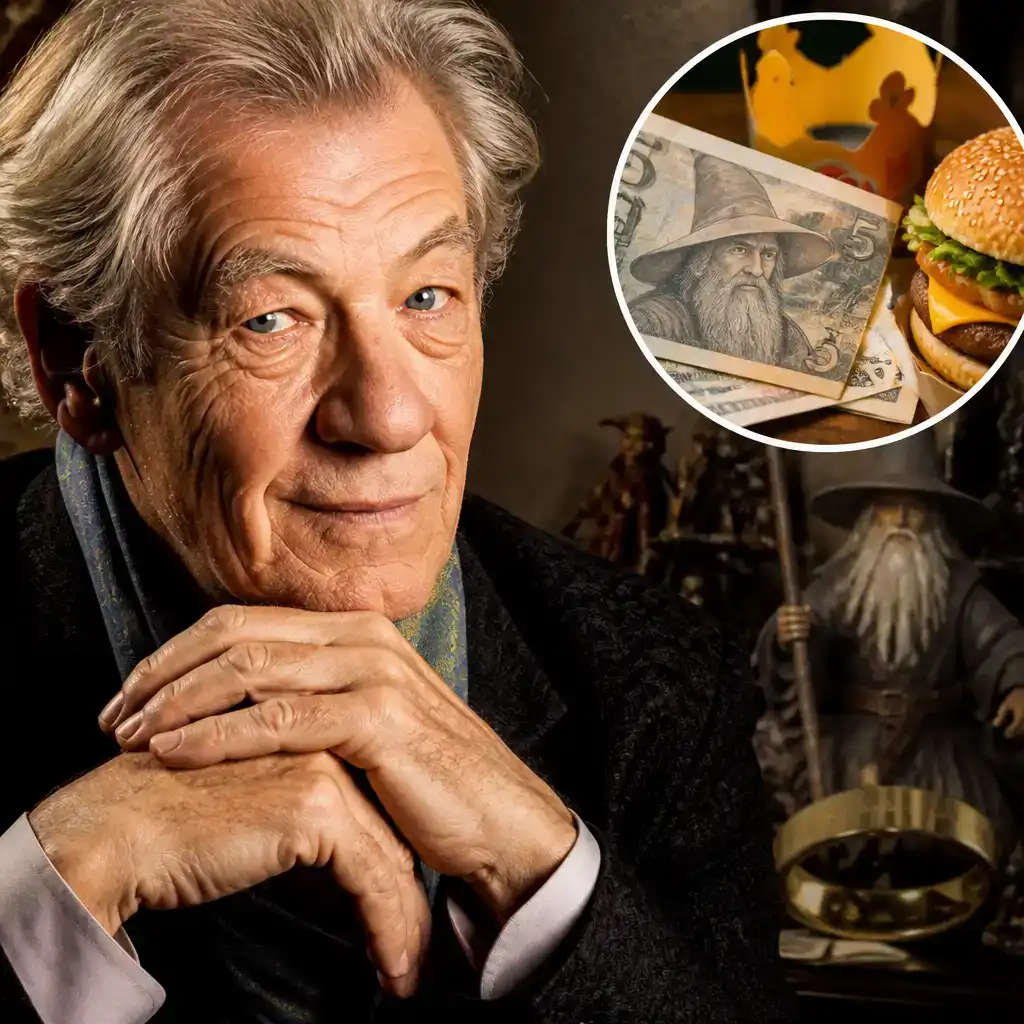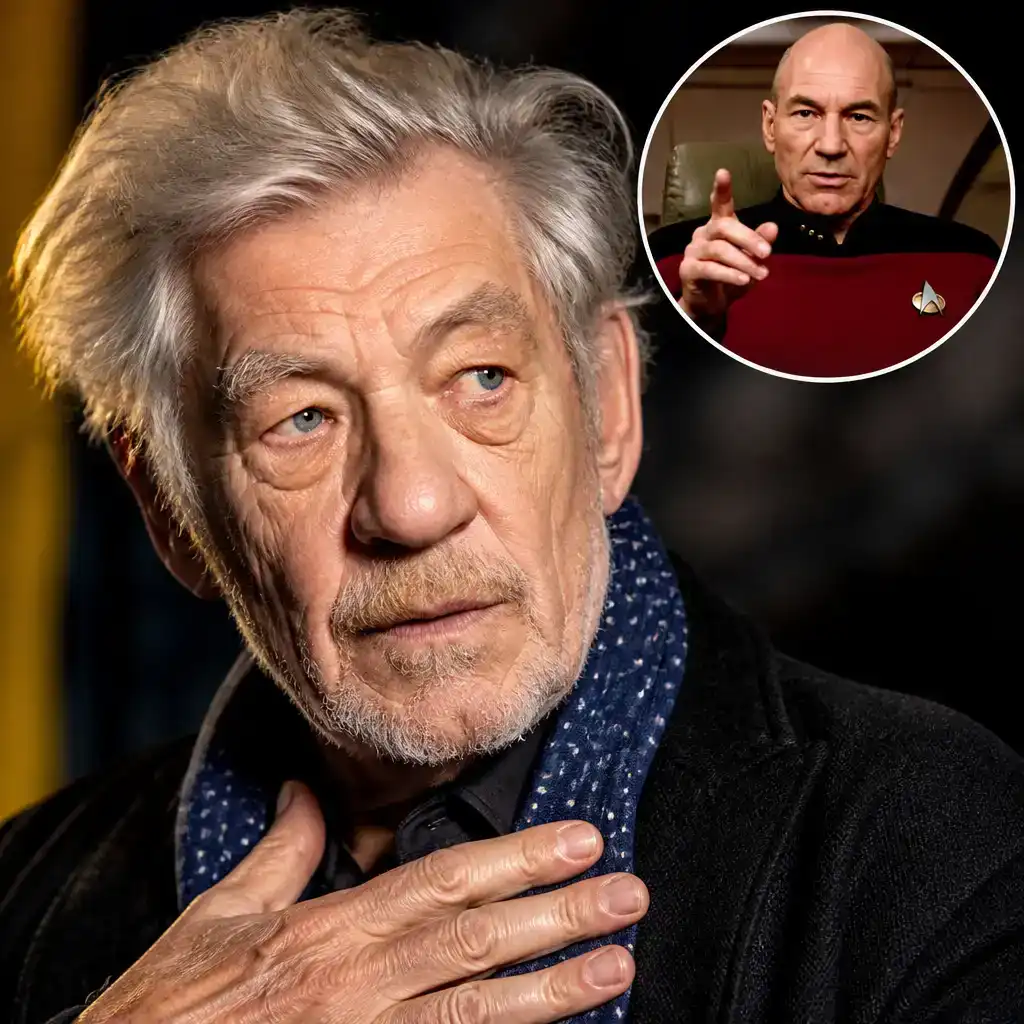
Sir Patrick Stewart, the legendary British actor who brought Captain Jean-Luc Picard and Professor Charles Xavier to life, died on 28 October 2026 at the age of 86. But amid the tributes to the Star Trek and X-Men star, a remarkable story from his longtime friend Sir Ian McKellen has brought fresh attention to the career decision that changed Stewart's life.
McKellen has revealed how he once urged Stewart not to accept the role of Picard in Star Trek: The Next Generation, fearing that a lengthy commitment to American television would derail his successful British theatre career.
Stewart died at his Los Angeles home, with his wife Sunny Ozell by his side, following what his family described as a brief illness involving Alzheimer's disease and Lewy body dementia. The announcement was shared on 29 October by his longtime spokesperson, Kelly Bush Novak, and his death was subsequently confirmed by The Associated Press.
The Star Trek decision Ian McKellen wanted Patrick Stewart to reconsider
In an emotional Instagram tribute, McKellen recalled his concerns when Stewart was offered the role that would eventually make him internationally famous.
The two actors had known each other since their early years with the Royal Shakespeare Company. At the time, Stewart was already an accomplished classical performer, and McKellen worried that spending years in Hollywood might cost him opportunities on the British stage.
What makes the recollection particularly revealing is that Stewart had previously described receiving precisely that warning.
During an October 2023 interview with NPR, Stewart spoke about an unnamed English actor and close friend who had discouraged him from joining Star Trek.
"I wasn't going to take it," Stewart admitted, recalling his uncertainty about leaving theatre behind.
He explained that he had initially expected the programme to last only one season. Instead, Star Trek: The Next Generation ran for seven seasons between 1987 and 1994, followed by four feature films.
McKellen's farewell message now provides the other side of that conversation. Rather than regretting his unsuccessful advice, he celebrated Stewart's decision to take the risk, writing: "Thank goodness for us all that he did."
There was a further irony to McKellen's warning. Stewart's Hollywood breakthrough eventually helped bring the two friends together for another major screen franchise, with Stewart playing Professor Charles Xavier and McKellen portraying Magneto in the X-Men films.
Why Stewart's success never meant abandoning the stage
McKellen's original fear was that Hollywood would take Stewart away from the theatrical work that had defined his early career. His tribute acknowledged that the opposite happened.
Stewart continued performing classical theatre while becoming one of the most recognisable actors in science fiction. His acclaimed stage credits included Macbeth, Hamlet, Waiting for Godot and No Man's Land, the latter two performed alongside McKellen.
Their friendship extended well beyond acting. McKellen officiated Stewart's wedding to singer-songwriter Sunny Ozell in 2013, and the two maintained a public friendship marked by humour and affection.
In his tribute, McKellen also emphasised Stewart's enduring connection to Yorkshire, where he was born in 1940, and his appointment as Chancellor of the University of Huddersfield.
That detail offers an important perspective on Stewart's career. Despite decades of international fame, his identity remained closely connected to the working-class upbringing and theatrical beginnings that had shaped him.
Patrick Stewart's final Marvel performance has yet to be released
There is one final chapter of Stewart's screen career that audiences have yet to see.
Both Stewart and McKellen are among the confirmed cast members of Avengers: Doomsday, the upcoming Marvel Studios film that will bring several familiar X-Men performers back to the franchise.
According to Disney's official UK announcement, the film is scheduled for release in British cinemas on 16 December 2026, with its American release following on 18 December.
McKellen referred to the production as Stewart's farewell performance, although the full extent of his appearance has yet to be seen by cinema audiences.
The prospect of watching Stewart return as Charles Xavier carries particular significance following his death. It is a character whose intelligence, compassion and moral authority became closely associated with the actor himself.
In his farewell message, McKellen remembered Stewart not simply as a celebrated performer but as a deeply trusted friend, describing him as a man he could depend on, admire and love.
And in a career that began with Shakespeare, flourished aboard the Enterprise and reached another generation through Marvel, it is striking that one of Stewart's closest friends had once advised him against the decision that made so much of it possible.