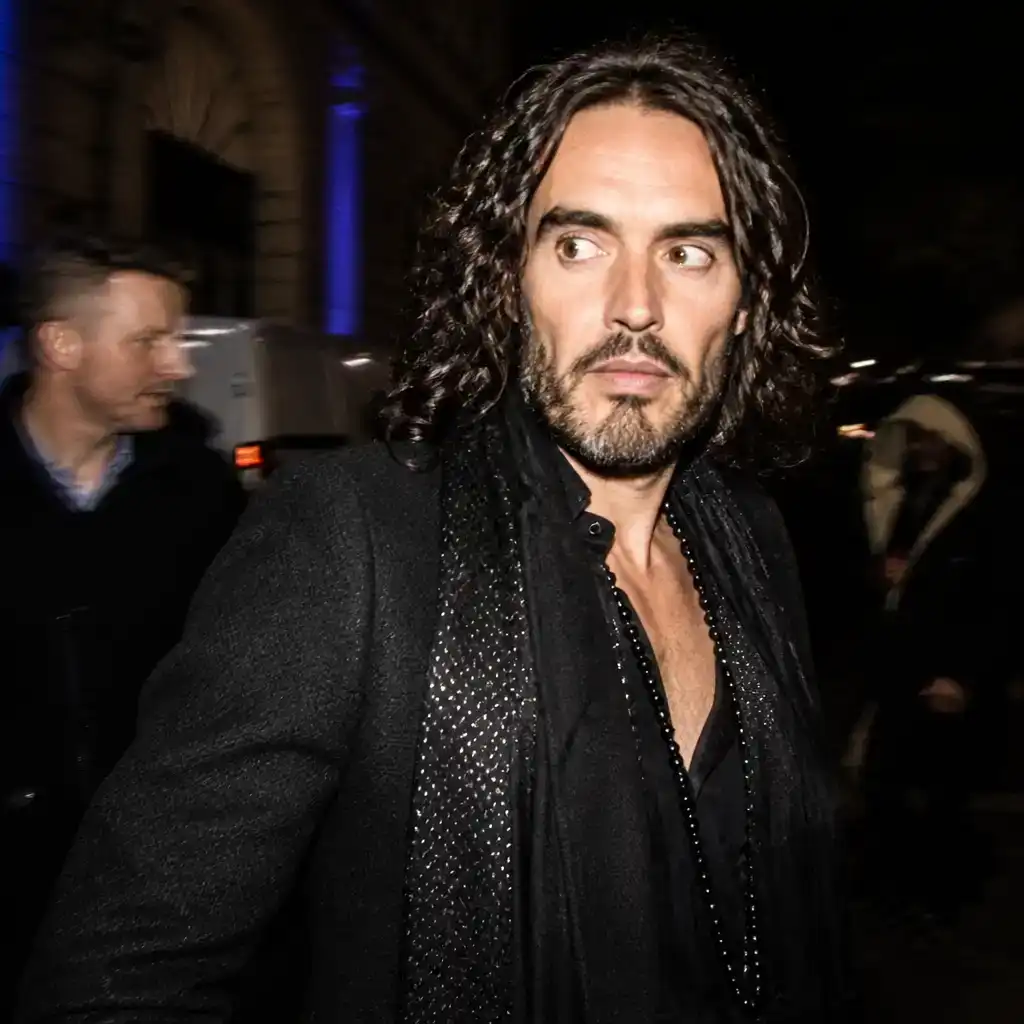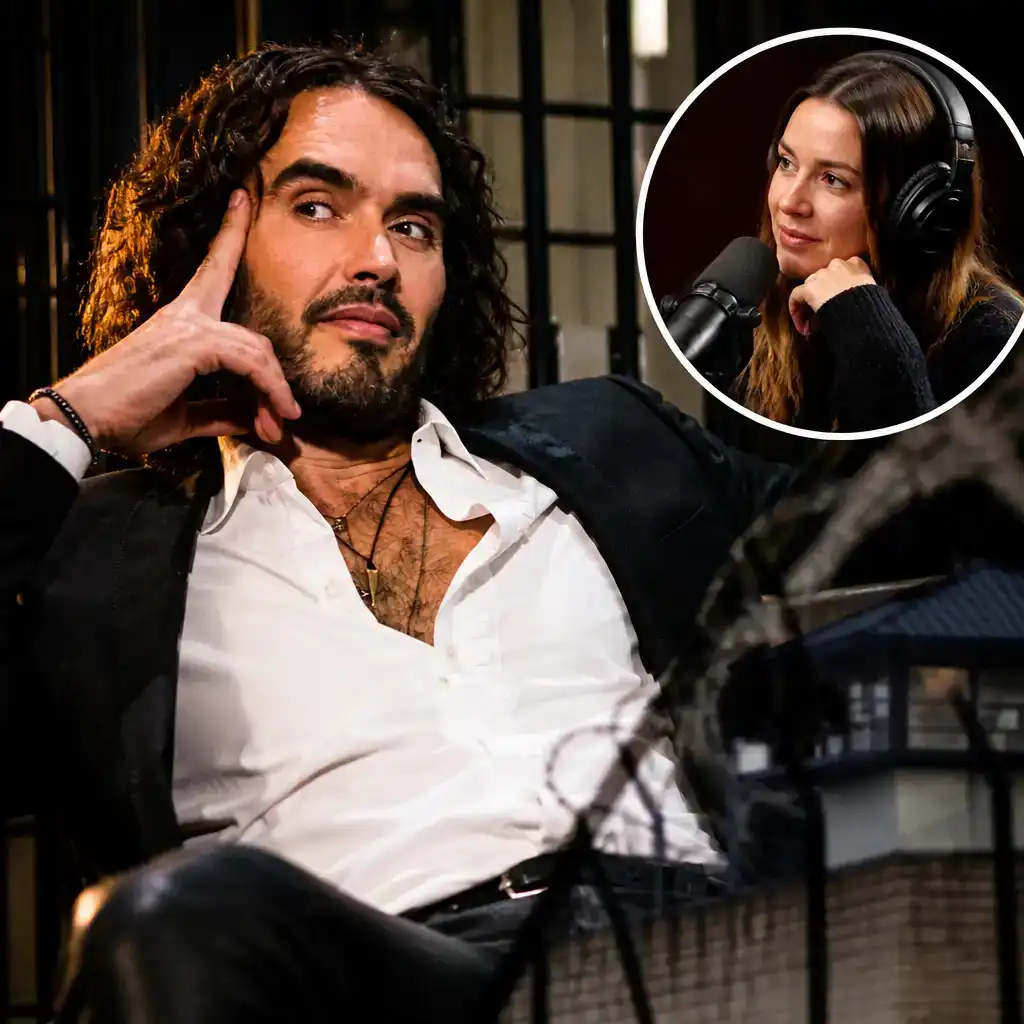
The Russell Brand prison message read by his wife, Laura Gallacher, has prompted an urgent Ministry of Justice investigation into whether the jailed comedian used private family contact to address his audience. No disciplinary decision has been announced, despite reports suggesting punishment is already on the way.
Gallacher delivered the statement during an episode of the couple’s Sunday Service with the Brands podcast. In it, Brand thanked supporters, invoked his Christian faith and denied the offences for which a jury convicted him.
“Beloved brothers and sisters in Christ, God bless you for your support,” the statement began. Brand added: “I am not guilty of the offences I have been jailed for, so something strange is happening.”
Downing Street called the message “clearly appalling” and said the circumstances were being urgently investigated. The relevant question is less theological than administrative: did Brand knowingly provide comments for publication, or was Gallacher repeating something shared privately?
What prison rules could Brand have broken?
Prison policy generally permits contact with journalists only in exceptional circumstances. It also restricts public statements likely to cause serious distress to victims.
The Independent and PA reported that HMP Littlehey’s governor could restrict Brand’s telephone access or remove privileges if investigators establish a breach. Officials would need evidence that he gave Gallacher the comments knowing, or directing, that they would be published.
That distinction matters. Prisoners can communicate with close family members, but those conversations do not automatically become an approved broadcasting service. Gallacher’s podcast creates an unusually convenient route from Brand’s cell to an established audience, with no studio booking required.
The Sun reported that prison officers may also examine how the statement identified Brand’s location. He was initially held at HMP Wandsworth before being transferred to HMP Littlehey, where the newspaper said he had his own cell. Public confirmation of a prisoner’s location can create security concerns, though Brand’s placement had already been reported in the press.
Why the message caused further anger
A jury convicted Brand on November 5 of one count of rape and three counts of sexual assault involving four women. The offences took place between 2004 and 2009.
On November 9, he received a sentence of 10 years and six months. That comprised nine years for rape and a further 18 months for the sexual assaults. Brand continues to deny wrongdoing, but his podcast statement contained no expression of remorse or sympathy for the women.
Mia Latter, who separately alleges that Brand raped her when she was 16, told BBC Radio 4 that the message mixed a Christian appeal with “absolute lies.” She described it as “appalling” and “upsetting.” Her allegation was not among the charges decided at Brand’s trial.
Foreign Secretary Ed Miliband called the statement “disgusting,” criticising Brand’s lack of remorse and accusing him of “hiding behind” Jesus. Metropolitan Police officers have said at least two additional rape allegations remain under investigation.
Gallacher, who married Brand in August 2017 and shares three children with him, supported him throughout the trial. During the podcast episode, she said his conviction was “painful” and would “take some getting used to.”
Can Brand keep addressing fans from prison?
The dispute exposes a gap between old prison rules and modern direct-to-fan publishing. Brand built a large online operation before his conviction, including a YouTube channel with 6.6 million subscribers. His wife can continue recording their podcast even while he is incarcerated.
That does not necessarily mean he can contribute material without approval. Investigators must determine whether the statement was private correspondence later published by Gallacher, or a deliberate attempt by Brand to maintain his media presence from prison. The first may fall within ordinary family contact. The second could trigger sanctions.
The distinction is not especially glamorous, but it will determine whether officials can punish him. Possible consequences include closer monitoring, reduced access to calls and the withdrawal of privileges. For now, those remain possibilities rather than confirmed measures.
Why the BBC also faced criticism
The controversy widened after BBC Radio 4 broadcast a clip of Gallacher reading Brand’s comments. On November 17, the BBC removed its own recording and blamed a “miscommunication.”
That decision raised a separate question about institutional amplification. British broadcasters have already faced scrutiny over how Brand’s conduct was handled during his years as a prominent television and radio personality. Repeating his prison statement gave it another national platform, even as officials examined whether it should have been published at all.
The Ministry of Justice investigation now has two practical issues to resolve: how the statement left HMP Littlehey, and whether Brand intended it for public release. Until officials answer them, reports that he has already been punished are premature. The podcast may have delivered his message efficiently, but it also supplied investigators with a very public reason to examine his communications.