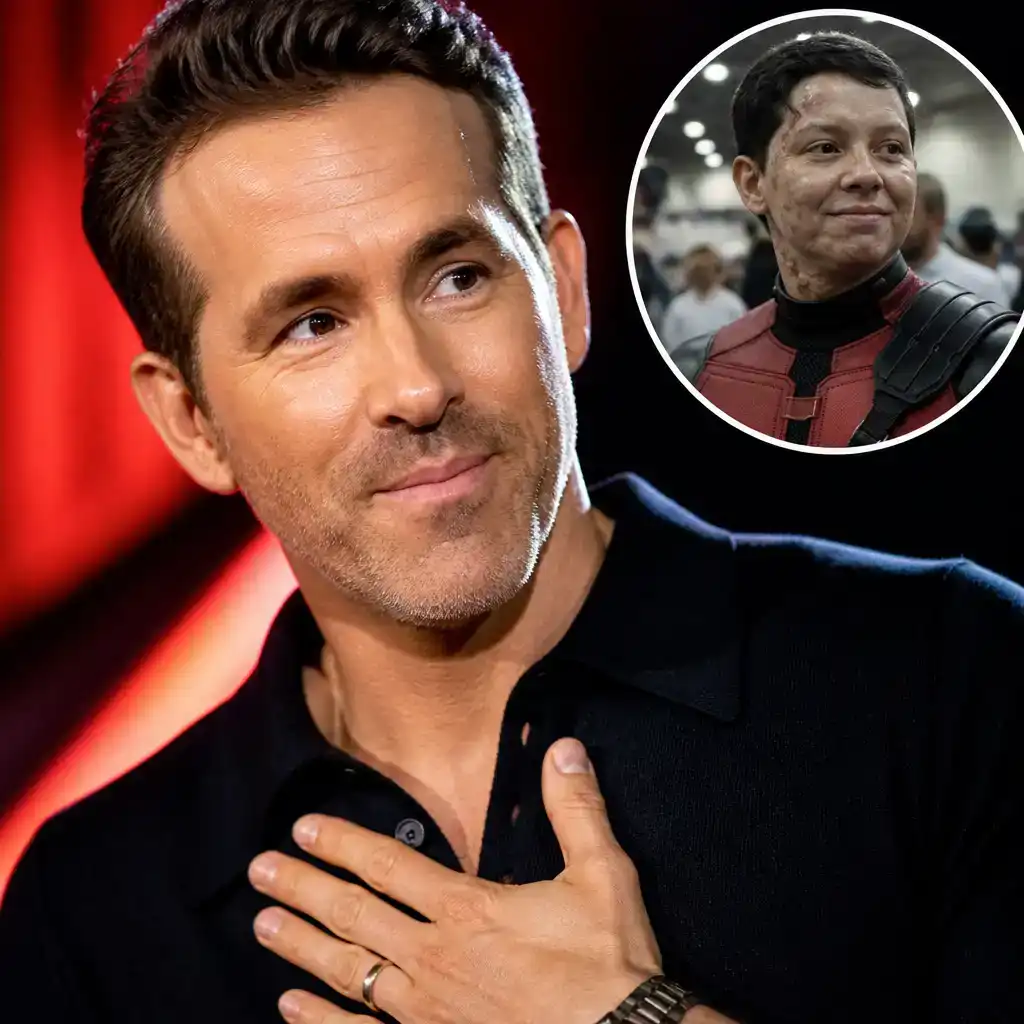
In 2020, Ryan Reynolds responded to a Deadpool fan whose remarkable cosplay carried a deeply personal message about confidence, identity and learning to embrace the things that make us different.
The fan, a burn survivor known online as Jadiant, had recreated the Marvel antihero's famous red-and-black costume. But one detail made the photograph particularly meaningful: he deliberately chose not to wear Deadpool's mask.
For him, the decision was about much more than getting a superhero costume right.
Why Deadpool meant so much to this fan
Deadpool might be best known for his outrageous jokes, violent adventures and complete disregard for superhero conventions, but his appearance is also an essential part of his story.
Beneath the costume, Wade Wilson lives with extensive facial and bodily scarring. Despite frequently making jokes about his appearance, he refuses to let it stop him from being the loudest person in the room.
That attitude resonated with Jadiant, who explained in a January 2020 Instagram post that the character had helped him become more comfortable with his own appearance.
Rather than hiding his scars beneath a mask, he wanted his cosplay to reflect the confidence he had gained from the character. He even learned to perform the splits for the photograph, recreating a pose associated with Deadpool's famously exaggerated physical antics.
The result was a costume that celebrated something cosplay doesn't always emphasise: the freedom to look like yourself rather than disappear into somebody else's identity.
Ryan Reynolds saw the photograph and couldn't ignore it
Months after the photograph was originally shared, it caught the attention of Ryan Reynolds, who had brought Deadpool to life on the big screen.
In September 2020, the actor left an enthusiastic comment describing how much the post meant to him, before joking that he could also perform the splits, although doing so would probably land him in hospital.
His response was subsequently documented by Nerdist and Bored Panda, which also interviewed the fan about his experience.
Jadiant explained that receiving a response from the actor had been an emotional moment, particularly because he had never expected Reynolds to see the photograph in the first place.
What makes the exchange memorable isn't simply that a Hollywood star acknowledged a fan. It's that the fan had already taken something meaningful from the character long before the actor replied.
Deadpool's damaged appearance, so often treated as the setup for another joke, had become a source of confidence for somebody living with visible scars. And by leaving the mask off, Jadiant turned a familiar superhero costume into a statement about being comfortable in his own skin.
Reynolds' reply gave that message a much larger audience, but the most important part of the story was already there in the original photograph.