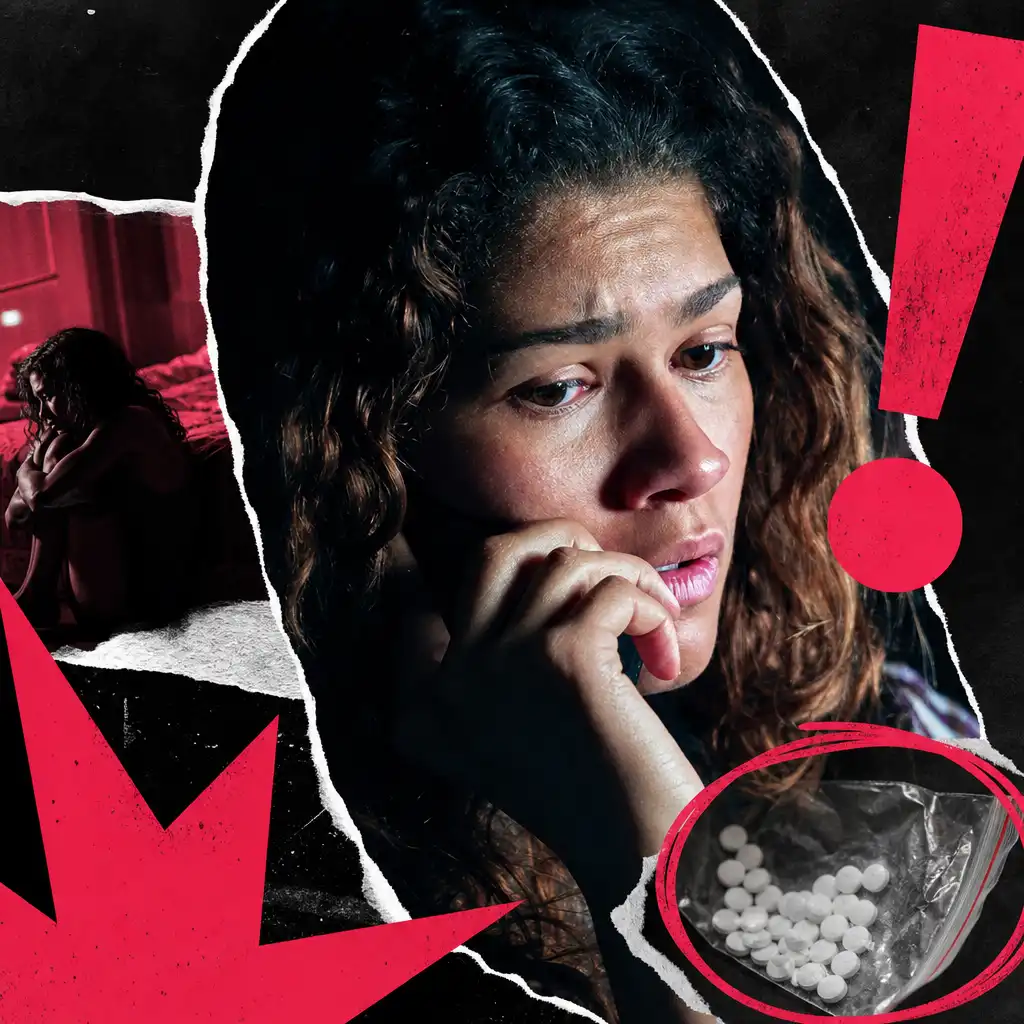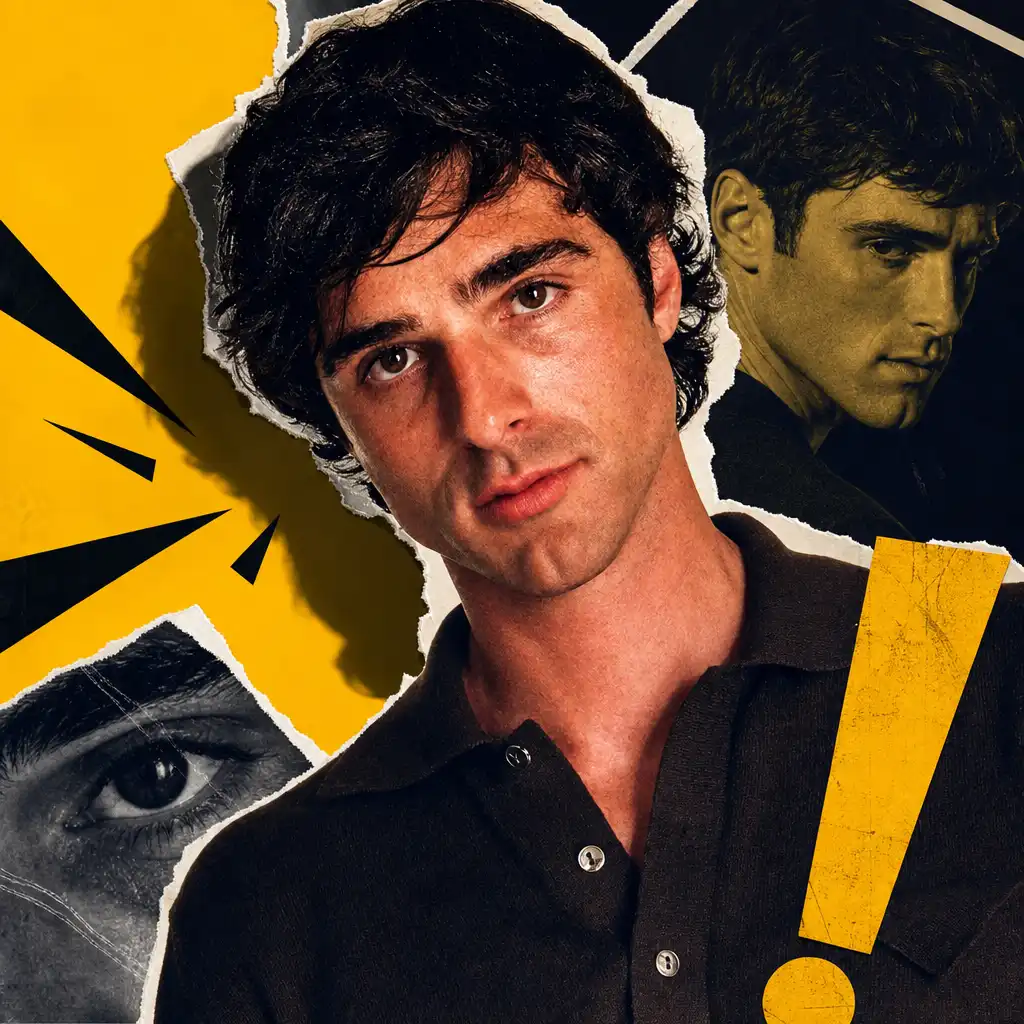
Nate Jacobs was never exactly positioned as television’s most comforting presence. Still, Sam Levinson says the Euphoria Season 3 death was designed to make viewers question whether getting what they wanted actually felt good once it arrived.
In an interview with Esquire published May 24, the series creator explained why Jacob Elordi’s character was killed in such a grim way during the penultimate episode of the HBO drama’s third and final season.
Why Sam Levinson made Nate’s death so brutal
Levinson said he was aware that many viewers had long expected some form of justice for Nate, whose history on the show has included violence, manipulation, and plenty of choices that did not suggest a promising future in community leadership.
“There’s this kind of funny thing where I know what the audience wants in terms of justice or karma and with that in mind, I always think, ‘Well how can I give it to them?’” Levinson told Esquire. “How can I give them what they want, but make it so horrific and anxiety-inducing that by the time it happens, the audience isn’t so sure they wanted it?”
That discomfort, he said, was the point. Nate’s death was not written as a clean victory lap for the audience, but as a moment meant to complicate their reaction.
What happened to Nate Jacobs in the penultimate episode
Nate’s death wrapped up a threat that had been hanging over him all season. After borrowing from loan shark Naz, played by Jack Topalian, Nate spent much of the season trying to stay alive while his debt caught up with him.
Naz had already cut off one of Nate’s fingers and one of his toes. Then came the final warning: Nate was buried alive for what was supposed to be 72 hours while Cassie, played by Sydney Sweeney, tried to gather enough money to free him.
Cassie did manage to pay back Nate’s $1 million debt. The rescue still came too late. Before he could be dug out, Nate was bitten by a rattlesnake and died underground.
Subtle? Not exactly. But Levinson’s explanation suggests subtlety was not on the agenda.
Levinson wanted viewers to feel implicated
For Levinson, the scene was built around the audience’s uneasy relationship with Nate. He wanted viewers to feel less like they were watching a punishment and more like they had been pulled into a moral trap.
“It’s like, ‘Oh, you wanted him to get his comeuppance…? Okay,” Levinson told the outlet. “That feeling of complicity with the audience is always an interesting note to play inside of this sort of larger structure. You end up going, ‘Oh God, I don't know. Should he have had it better? Did he deserve it?’”
He added, “Those kinds of questions are always exciting to pose to the audience.”
It is a very Euphoria sort of answer: give viewers catharsis, then make them sit with the receipt.
How Jacob Elordi viewed Nate’s ending
Elordi, for his part, said he saw the exit as fitting for the character. Speaking in a talkback at the end of the episode, the actor described Nate’s final chapter as a “cool way” to leave the series.
“Nate is someone who has made so many mistakes and made so many dark choices,” Elordi said. “It's cool to see it all come to what it's come to."
The timing also gives the death extra weight. Euphoria is set to conclude after its third season finale airs May 31, making Nate’s exit one of the show’s last major shocks before the end.
For a character built around control, fear, and damage, dying trapped underground is not exactly gentle closure. Levinson’s argument is that it was never meant to be. It was meant to make the audience look twice at its own appetite for consequences.