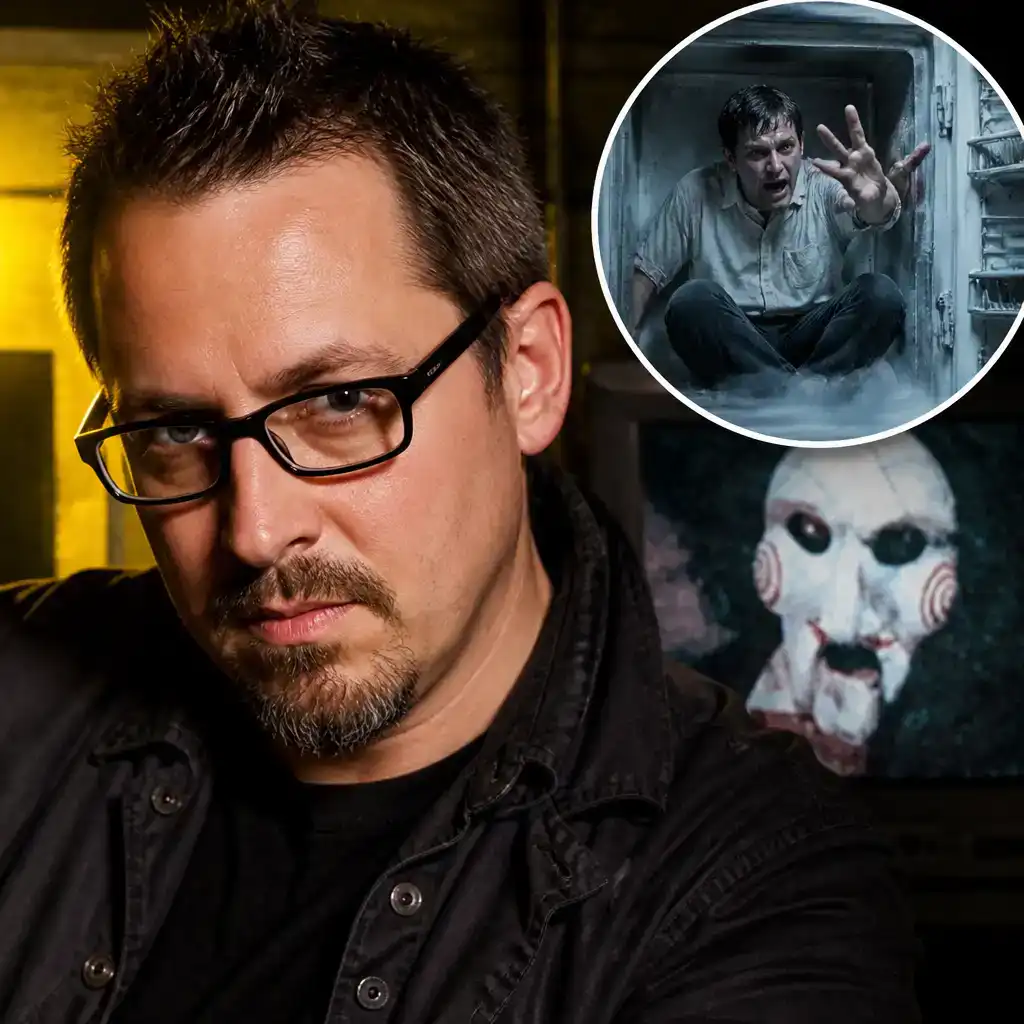
Twenty years after the film’s release, the Saw III freezer scene remains one of the franchise’s most punishing sequences. It also caused director Darren Lynn Bousman a separate form of suffering: repeated battles with the Motion Picture Association over the movie’s US rating.
Released on October 27, 2006, the third film follows John Kramer, better known as Jigsaw, as his terminal illness worsens. With apprentice Amanda Young helping him, Kramer sets one final series of deadly tests in motion.
One of those traps places Danica, played by Debra McCabe, naked and restrained inside a freezer room. Jets of freezing water spray her body until she develops hypothermia, becomes encased in ice and dies.
Danica had been the only witness to the hit-and-run collision that killed Dylan, the young son of Jeff Denlon. Her failure to help bring the driver to justice made her part of Jeff’s ordeal, because Jigsaw’s approach to grief management has never been especially conventional.
Why the sequence threatened the film’s rating
Bousman said the freezer-room sequence caused Saw III to receive an NC-17 rating about half a dozen times. The classification bars anyone aged 17 or younger from admission, making it significantly more restrictive than an R rating, which allows under-17s to attend with a parent or adult guardian.
Both previous Saw films had secured R ratings. An NC-17 classification for the third instalment would therefore have limited its theatrical audience and complicated its commercial release.
In a 2021 post on X, Bousman revealed that he contacted horror filmmaker Rob Zombie for advice.
“Saw III trivia. I had to call @RobZombie and ask for help with the MPA. Saw III received the NC-17 half a dozen times. Rob gave me advice on how to get that R.”
Bousman later explained that he approached Zombie because the filmmaker had managed to obtain R ratings for movies he considered even more intense and violent.
How wider shots helped secure an R rating
The problem was not solved simply by removing more footage. Bousman found that cutting around the trap made the remaining images seem harsher and potentially more sexualised.
“Basically, the more I cut out and tried to cut around the scene, the more shocking it would become to the viewer,” he said.
Instead, he added wider shots that showed more of the freezer room and changed the sequence’s tone. According to Bousman, the broader framing made Danica’s death feel “sad and tragic” while removing any sexual quality from the nudity.
That distinction mattered because he said the last thing he wanted was for the scene to appear sexual. He eventually wrote directly to the MPA to explain his reasoning, and the ratings body allowed the sequence to remain.
The finished film received an R rating in the United States. Two decades later, the trap is still regularly discussed by horror fans as one of the series’ most brutal, despite receiving less attention than some of Jigsaw’s more mechanically elaborate inventions. Sometimes freezing a person solid is apparently the understated option.