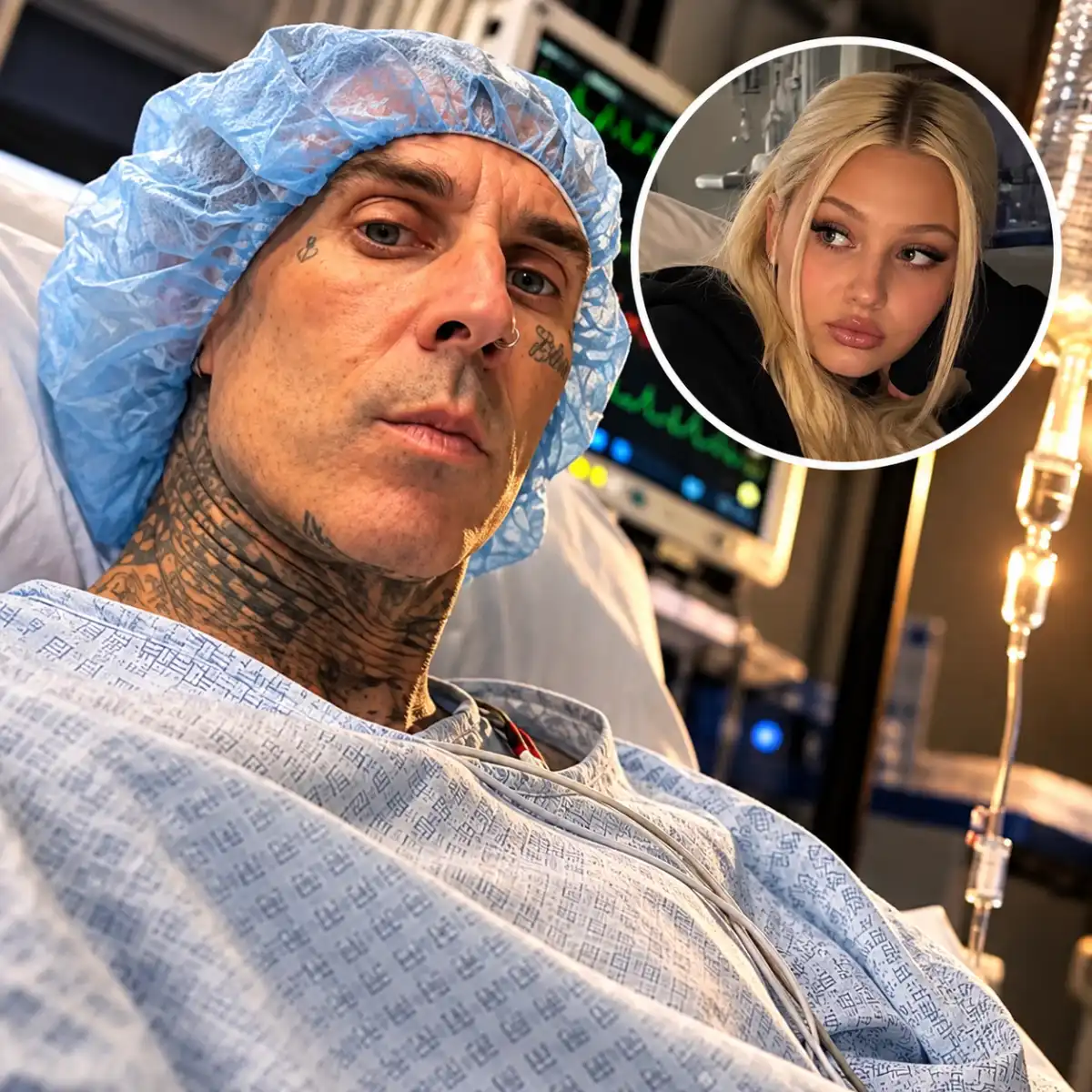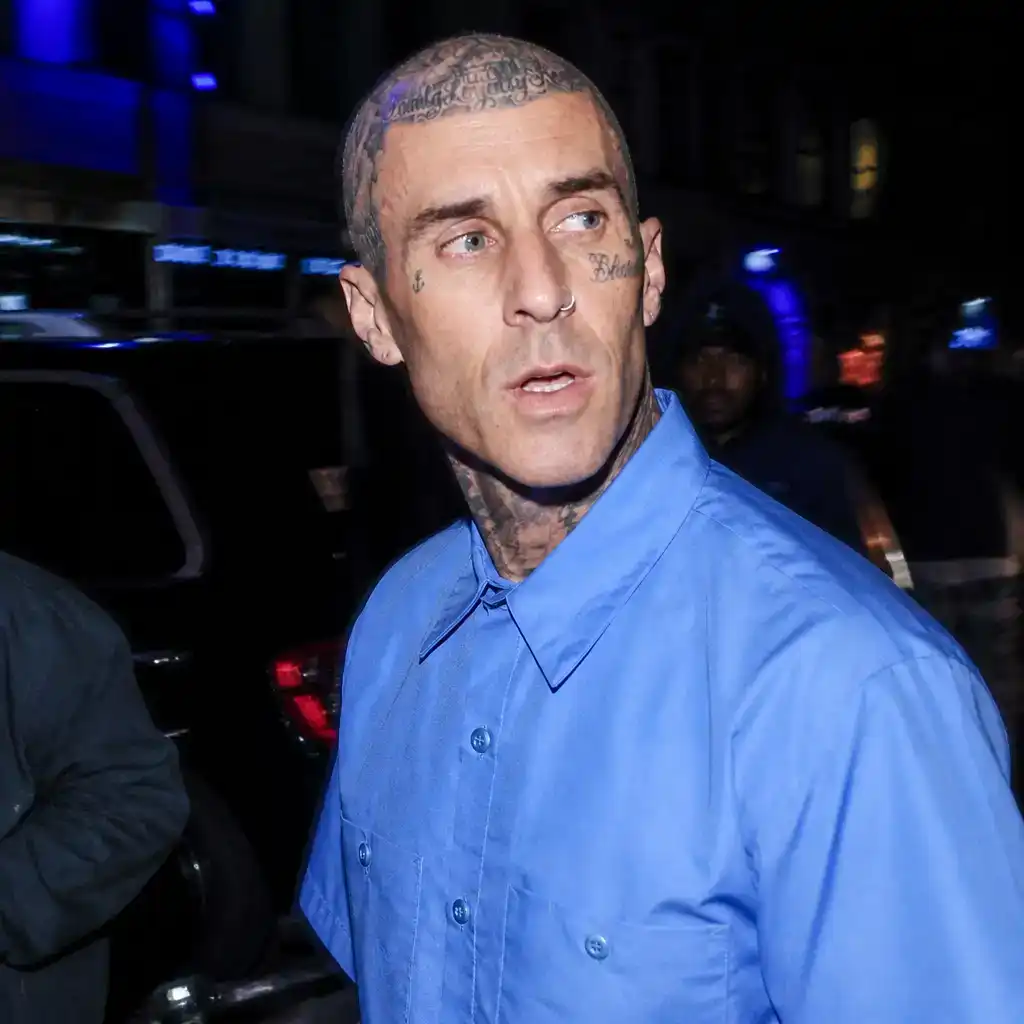
Travis Barker’s precancer diagnosis is back in the headlines after the Blink-182 drummer described the warning that finally made him stop smoking. The comments sound like a new disclosure, but Barker has discussed precancerous cells since 2012 and later identified the condition as Barrett’s esophagus.
Speaking on the November 11, 2026, episode of Big Bro with Kid Cudi, Barker said he had been smoking 10 to 15 blunts a day when his doctor told him the situation was serious.
“I only quit because I got diagnosed with precancer of the esophagus,” he said. “I loved blunts and I would smoke too much.”
According to Barker, the doctor was blunt in a rather more useful sense: “This is your warning shot. Don’t f--k around. You’ve got to stop smoking.”
When did Travis Barker first discuss the condition?
The 50-year-old musician said he probably would not have stopped without that medical warning. “I thought I could be like Willie Nelson and smoke to the day I die,” he recalled.
People and Page Six subsequently repeated the podcast account, but neither reported any change in Barker’s diagnosis, treatment or current health. More importantly, the episode was not the first time he had spoken publicly about the scare.
MusicRadar reported in September 2012 that Barker had been found to have precancerous cells and immediately quit smoking. At the time, he called the discovery “a game changer” and “a second chance.”
During a 2019 appearance on The Joe Rogan Experience, he provided more detail, naming Barrett’s esophagus as the condition. He also described smoking roughly 20 Backwoods blunts per day, rather than the 10 to 15 mentioned in the newer interview, and acknowledged a previous cigarette habit.
The accounts differ slightly on volume, but not on the central point: Barker was smoking heavily, received a serious warning and stopped.
Why do tobacco-leaf blunt wrappers matter?
Barker’s latest comments have often been shortened to a simple story about quitting marijuana. The medical context is less tidy, as medical context often insists on being.
Backwoods blunt wrappers are made from tobacco leaf. That means Barker’s routine involved exposure to tobacco as well as cannabis, while his earlier cigarette use adds another relevant factor. The American Cancer Society identifies tobacco as a major risk factor for esophageal cancer, but it does not list cannabis as an established cause.
None of that proves what caused Barker’s condition. It does mean that describing the episode only as a consequence of marijuana use leaves out an important part of his own account.
The National Institute of Diabetes and Digestive and Kidney Diseases describes Barrett’s esophagus as a change in the lining of the esophagus, commonly linked to chronic acid reflux. It estimates that about 5% of adults in the United States have the condition and lists tobacco use among the risk factors.
Most people with Barrett’s esophagus do not develop cancer. The risk becomes more concerning when biopsies show low-grade or high-grade dysplasia. Barker has not publicly provided that level of clinical detail in the reports available.
How running helped replace smoking and drugs
Barker admitted that stopping did not erase the desire to smoke. “I miss it,” he said on the podcast. “I’m not gonna lie.” He added that he still thinks about lighting up “all the time.”
Running became the replacement. Barker began taking it more seriously after surviving a near-fatal plane crash in 2008, and he said the habit eventually became more important to him than smoking.
“Couple miles a day keeps the demons away,” he told Kid Cudi. “It’s good, man. It’s like therapy.”
He also credited exercise with helping him remain sober after addiction to prescription painkillers and opioids. As Barker put it, training for a half-marathon and using drugs do not make a particularly practical combination: “You can’t run you a half a marathon if you’re doing drugs. It’s going to be the hardest 13.1 miles of your life.”
In a 2026 interview with The New York Times, Barker similarly said running, boxing and sprinting had replaced his old habits after he became sober.
What has Barker said about his health now?
The November podcast did not include a new diagnosis or an announcement that the condition had worsened. It was Barker revisiting the warning that changed his behavior more than a decade earlier.
Barker shares 3-year-old son Rocky Barker with his wife, Kourtney Kardashian. He is also father to Alabama Barker, 20, and Landon Barker, 23, and remains a stepfather to Atiana De La Hoya, 27, from his former marriage to Shanna Moakler.
For now, his public account remains consistent where it matters most: the esophageal finding made him quit smoking, and exercise became one of the tools that helped him stay sober. The newer interview adds candor, not a new medical development.