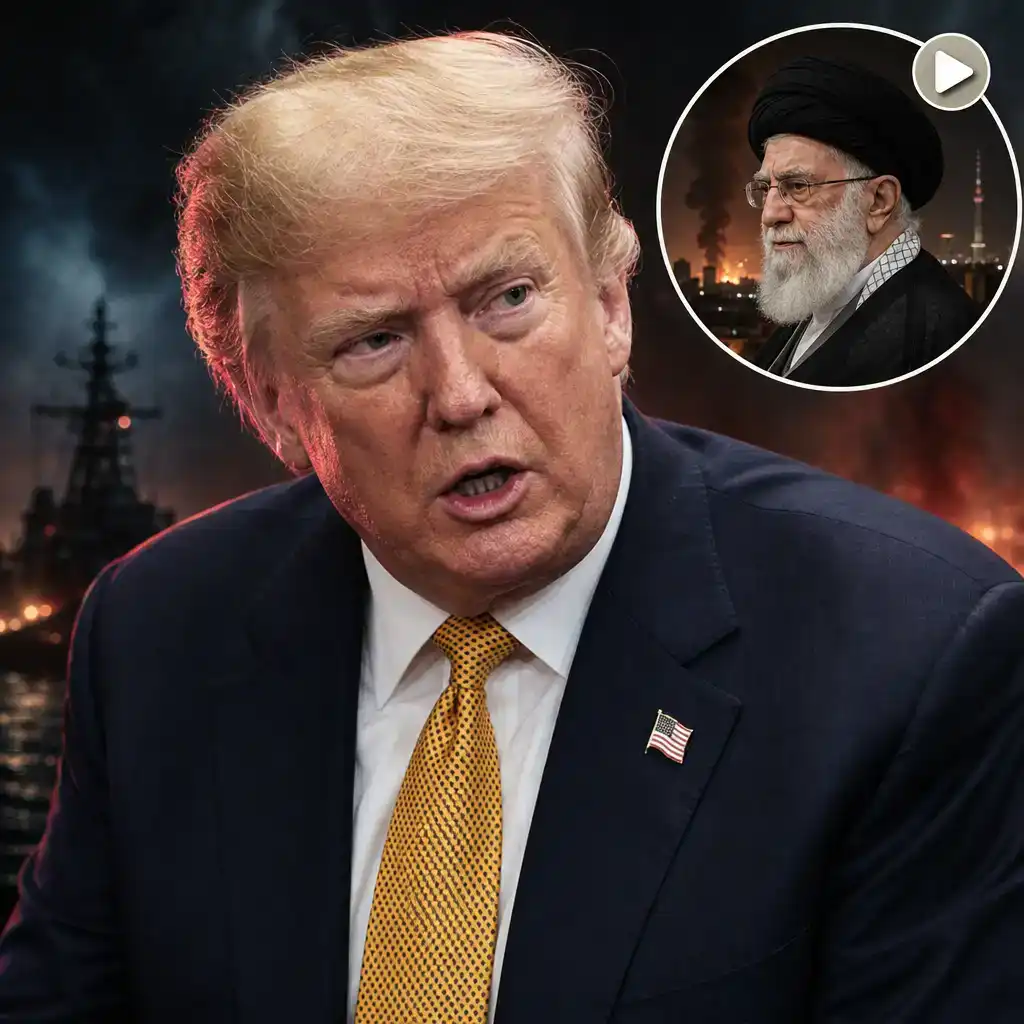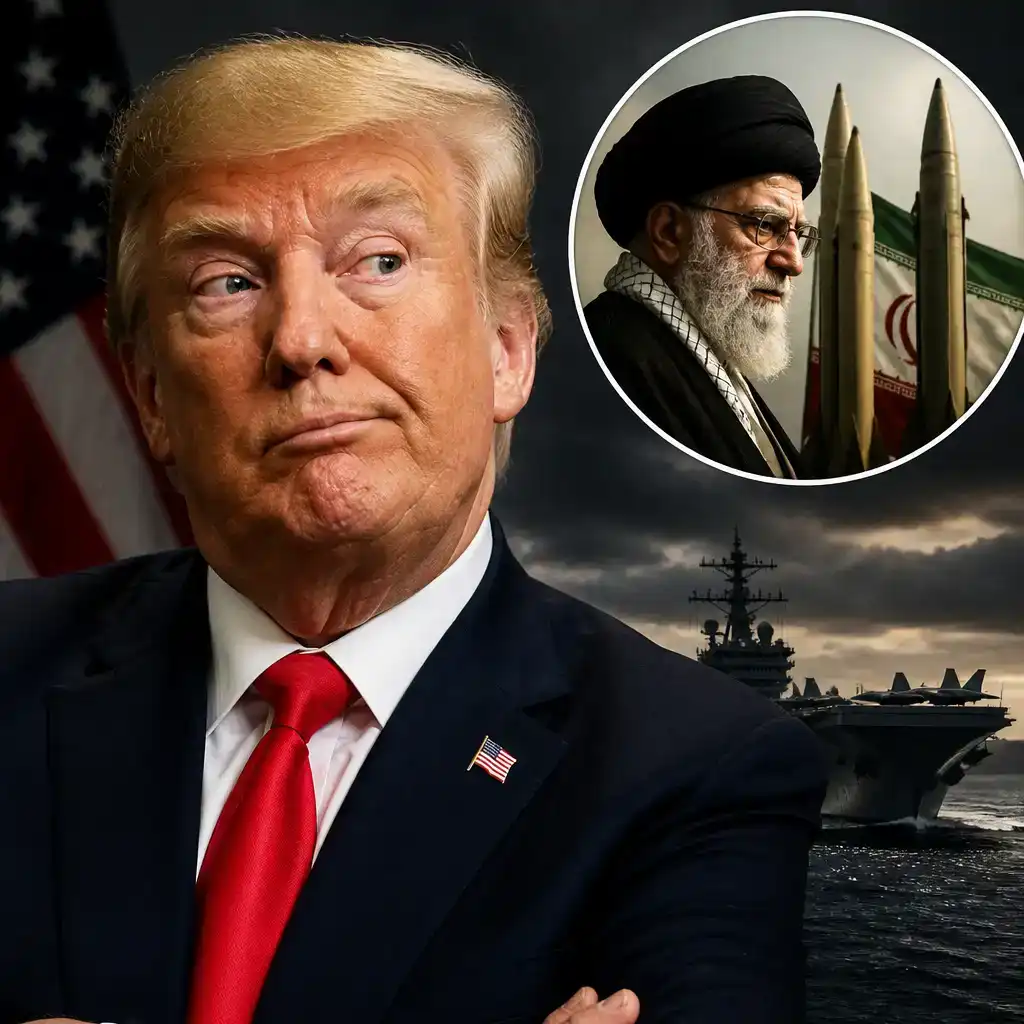
Trump’s Iran war plan has alarmed senators after a classified briefing reportedly described renewed military operations as a short campaign, while separate reporting suggests the administration is preparing for a potentially much larger confrontation.
Senator Chris Murphy said the proposal was “insane” and warned it “will lead to devastating escalation.” Hearst Connecticut Media reported that the Connecticut Democrat received a classified briefing outlining the possible operation.
The White House neither confirmed the plan nor directly disputed Murphy’s account. It said it would not discuss sensitive military plans “that may or may not exist,” adding that President Donald Trump was preserving options to prevent Iran from obtaining a nuclear weapon.
What military action is being considered?
CNN reported that US planners had examined possible strikes against Iranian energy infrastructure, military sites and nuclear facilities. Targeting energy assets would broaden the consequences well beyond military installations, placing oil exports and the wider Iranian economy under further pressure.
Axios separately reported that US Central Command chief Admiral Brad Cooper briefed Trump on the naval blockade, tanker escorts and efforts to tighten economic pressure on Tehran. At the same time, the administration was preparing for possible major combat after the November 3 midterm elections.
That creates a fairly large gap between the briefing’s reported promise of a short operation and the Pentagon’s preparations for something more substantial. Murphy argued that further action could also undermine the United States’ commitment to the rule of law, particularly if Trump proceeds without new congressional authorization.
Diplomacy is still moving alongside the war planning
The military preparations are unfolding while Qatar continues to mediate. CBS News reported that Qatari officials returned to Tehran with revisions to a proposed settlement and detected signs of progress. Iran was expected to respond by the weekend.
Trump also said the war was “going to end soon,” presenting a notably calmer forecast than Murphy’s warning of prolonged escalation. Iranian Foreign Minister Abbas Araghchi said Tehran was continuing to give diplomacy a chance.
Neither track has displaced the other. Negotiators are discussing a settlement while military officials prepare options in case those discussions fail, a familiar arrangement that becomes less comforting when nuclear facilities and oil infrastructure appear on the target list.
How did the conflict reach this point?
According to the Council on Foreign Relations, the US-Israeli attack on Iran began on February 28, killing Supreme Leader Ali Khamenei and striking nuclear and military infrastructure.
A memorandum agreed in June halted large-scale fighting, but it did not fully end the conflict. Strikes continued amid disputes over uranium enrichment, sanctions and control of shipping through the Strait of Hormuz.
CBS reported that the Pentagon’s war-related death toll had reached 23, including 11 hostile deaths and 12 classified as nonhostile. Cooper said US forces had helped Gulf partners export more than 1.5 billion barrels of oil since the summer despite threats to shipping.
Those operations have not eliminated the danger. Iran reported further mining incidents, while Britain’s maritime authorities confirmed an attack on a tanker. Disruption around Hormuz remains central to both sides’ calculations because the route carries a significant share of global oil supplies.
Analyst Babak Vahdad told Le Monde that Iranian leaders had prepared to retaliate and believed another confrontation could be “major, even decisive.” Whether the current diplomacy prevents that outcome remains unresolved. For now, Washington is discussing an end to the conflict while preparing for its possible expansion.