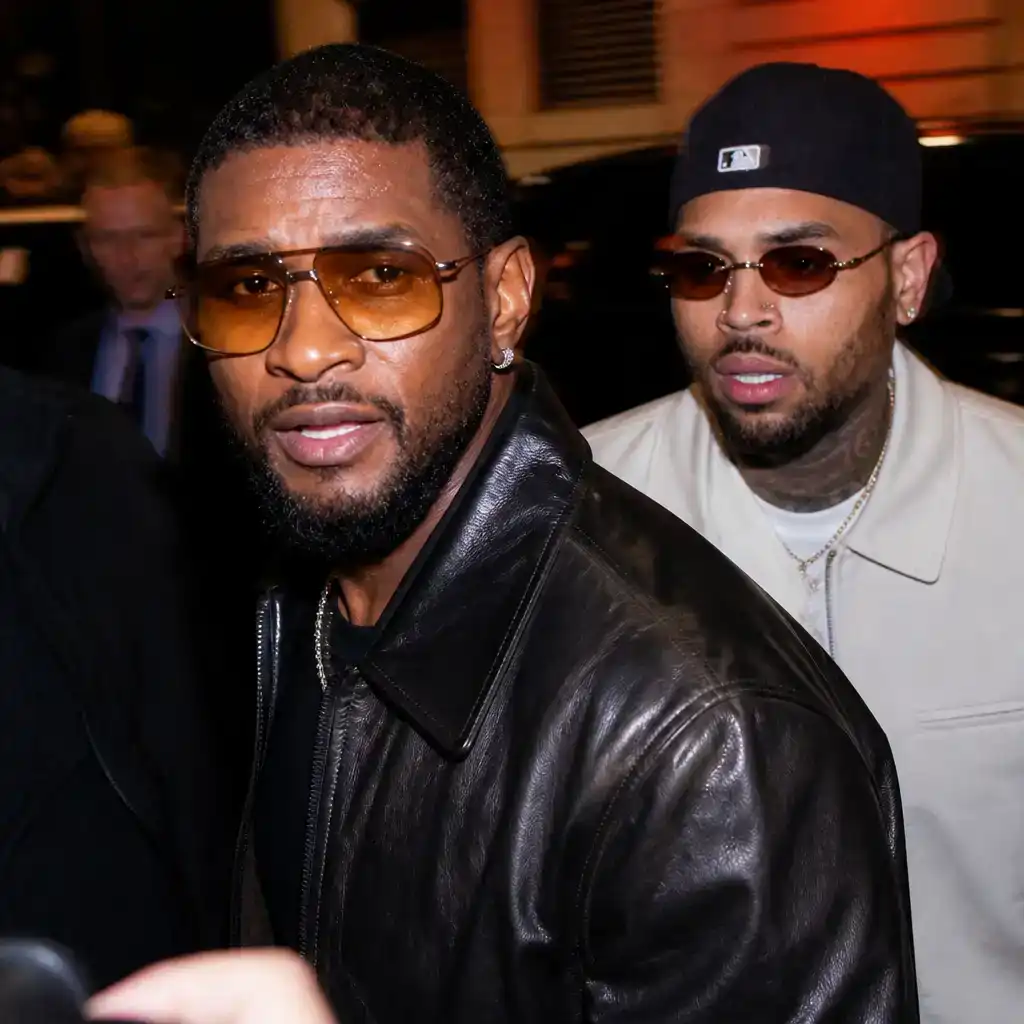
The Usher and Chris Brown tour cancellations now include stadium dates in Los Angeles and Miami, expanding what had already become a broader run of disrupted shows. The growing list complicates the convenient theory that one backstage disagreement explains everything. Six dates have now been canceled, while neither performer nor the tour has publicly provided a single explanation covering them all.
Ticketmaster marked the pair’s Monday, November 16 performance at SoFi Stadium in Inglewood as canceled and notified ticket holders that they would receive refunds. The December 6 show at Hard Rock Stadium in Miami has also been called off, according to WSB-TV and Complex. No reason was given for either decision.
One other Inglewood concert, scheduled for November 15, remained listed by Ticketmaster as of November 11. SoFi Stadium had originally added that performance as a third local date because of “overwhelming demand.” Demand, apparently, was not the only variable requiring attention.
How many tour dates have been canceled?
The Los Angeles and Miami decisions follow four October cancellations in:
- Baltimore
- Cincinnati
- Columbia
- Indianapolis
Pollstar reported that those shows were dropped to “prioritize the health and well-being of the touring party and crew.” TheGrio separately identified the same four cities.
That brings the known total to six canceled dates announced across roughly a month. The earlier statement pointed to health concerns, while the latest cancellations arrived without an explanation. There is no confirmed evidence that all six decisions share the same cause.
Ticketmaster still listed the November 11 Atlanta finale at the time of reporting, along with the remaining November 15 SoFi Stadium date. Its customer page gave the tour an overall rating of 4.4 out of 5 from more than 2,300 reviews, suggesting plenty of attendees were satisfied. Others were considerably less charitable, especially after the delayed Atlanta opening show.
Did an Usher and Chris Brown feud cause the disruption?
TMZ reported that tensions began backstage in Atlanta when Usher Raymond IV wanted to begin the concert on schedule, while Chris Brown preferred to wait for fans delayed by traffic. According to the outlet’s sources, the disagreement pushed the start back by nearly three hours and left their relationship “still icy.”
Other reporting makes that account less definitive. The Atlanta Journal-Constitution confirmed a major delay but measured it at about two and a half hours. The newspaper said neither artist explained the late start to the audience. AllHipHop reported that no evidence had established a backstage fight and noted conflicting accounts about why the show began late.
There was also a fairly visible problem with the idea that the two men could no longer work together. Complex reported that Usher and Brown shared the stage during their second Atlanta show on November 6, performing “Back to Sleep” and “It Depends.” Brown later rejected online claims in an Instagram Story, writing: “Internet cap. Don’t fall for it.”
Brown did not specify which claims he was denying, and Usher has not issued a public statement. Their joint performance does not prove there was no argument, but it does weaken the more dramatic version in which the tour had become an elaborate exercise in avoiding each other.
What happens to fans who paid for tickets?
Ticketmaster has promised automatic refunds for the canceled Los Angeles and Miami concerts. That process is clearer than the position facing fans who attended the heavily delayed Atlanta show and believe they did not receive what they purchased.
Named Ticketmaster reviewers described substantial spending. A reviewer identified as Ayanna said she paid more than $1,000 for two premium tickets to the Atlanta opening night. Another, Bonnie, said she spent $2,500 and regretted attending. Their complaints have helped turn the story from celebrity friction into a more practical dispute about delays, performance value and consumer costs.
For now, the evidence points to a tour-management problem larger than one alleged argument. Four dates were canceled for stated health reasons, two more disappeared without explanation, and one major concert began hours late. A personal dispute may have contributed to the disorder, but the public record does not establish it as the sole cause.
Fans holding tickets for the remaining dates are left watching Ticketmaster listings for confirmation. It is not the most glamorous part of concertgoing, but recently it has been the most reliable source of information.