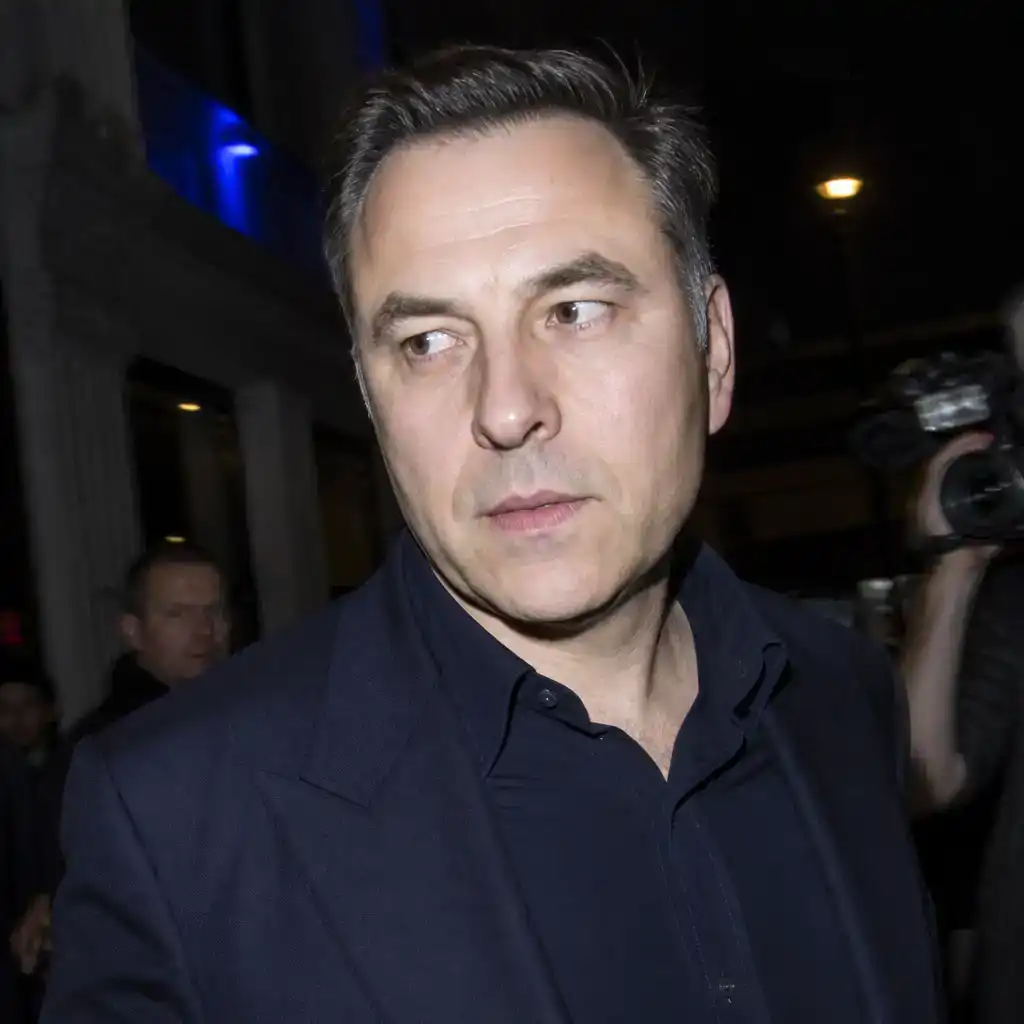
The BBC has begun removing programmes featuring David Walliams, including Little Britain, from its platforms following the publication of serious sexual misconduct allegations against the comedian and bestselling children's author.
The decision came on Tuesday, November 10, after a three-year investigation by ITV News and The Guardian detailed accusations involving teenage girls and young women, some dating back more than two decades.
Walliams, 55, has categorically denied wrongdoing, including allegations that he used his fame and professional influence to manipulate or exploit women.
But the repercussions have already extended beyond the investigation itself. His former talent agency has confirmed it no longer represents him, while Downing Street has described the allegations as deeply troubling.
What the investigation alleges
The joint investigation gathered accounts from 30 sources with first-hand knowledge of Walliams' alleged conduct, alongside documentary evidence including messages, emails and contemporaneous records.
Two women alleged that they first encountered Walliams when they were just 15 years old and subsequently experienced behaviour they described as grooming.
One woman alleged that she was sexually assaulted at 15. Another said Walliams began contacting her after they met at a Little Britain fan event, before their relationship became sexual when she was 17.
The reporting also examined allegations of inappropriate behaviour connected to Britain's Got Talent, where Walliams served as a judge for 10 series, and HarperCollins, the publisher responsible for his hugely successful children's books.
These remain allegations, not established findings of criminal wrongdoing.
In his response to the investigation, Walliams acknowledged that he had sometimes behaved thoughtlessly in previous casual relationships and regretted not always considering other people's feelings.
However, he firmly rejected allegations that he exploited the power imbalance created by his celebrity status.
"I am not a sexual predator. I have not broken the law," he said.
Why the allegations could only be published now
One particularly significant aspect of the story is the legal battle that preceded its publication.
Walliams had sought a permanent High Court injunction preventing ITV News and The Guardian from publishing the allegations. His lawyers argued that the potential consequences for his mental health created a serious threat to his safety.
On November 3, Mr Justice Nicklin rejected that application, recognising the gravity of the risks involved but concluding that a permanent restriction on publication would disproportionately interfere with freedom of expression.
The judgment also recognised the public interest in allowing the women whose accounts formed part of the investigation to speak about their experiences.
Crucially, the High Court was not deciding whether the allegations against Walliams were true. Its ruling concerned whether publication could lawfully be prevented.
That distinction matters. Losing an injunction application is not a criminal conviction, nor does it establish that the underlying accusations have been proven.
The legal issues surrounding the case have been examined in a separate Guardian analysis of the High Court proceedings.
BBC reviews Walliams programmes as agency ends representation
The publication of the allegations has prompted immediate decisions from organisations associated with Walliams' career.
The BBC confirmed that it was examining material featuring or written by Walliams across its platforms and removing selected programmes, including Little Britain, while that review continues.
Independent Talent Group, meanwhile, confirmed that it no longer represents the entertainer in any capacity, expressing concern about the allegations and sympathy for anyone affected.
The developments follow an earlier professional setback for Walliams. In December 2025, HarperCollins announced that it would no longer publish new titles by the author following reports of inappropriate behaviour involving female employees.
The company has maintained that employee wellbeing is taken seriously and that it has procedures for reporting and investigating concerns.
Britain's Got Talent production company Fremantle UK has said it was not aware of any formal complaints about Walliams' behaviour during his time on the programme or in the years since his departure. It has encouraged anyone with concerns to come forward.
Government response raises questions about injunctions
The investigation has also reached Westminster.
A Downing Street spokesperson characterised the allegations as deeply troubling, while Victims Minister Alex Davies-Jones told MPs that the government was examining what more could be done regarding the use of injunctions.
That response introduces a separate question from the allegations themselves: how the courts should balance the protection of individuals facing serious personal risks against the public interest in reporting allegations concerning prominent figures.
For Walliams, the immediate consequences are already visible in broadcasting, publishing and professional representation. Whether further institutional or legal action follows will depend on developments beyond the High Court ruling that allowed the investigation to be published.