A surge in immigration arrests has transformed a California House race into a test of how Donald Trump’s deportation campaign is landing in a heavily Hispanic agricultural district. Republican Representative David Valadao faces progressive Democrat Randy Villegas on November 3, with no result available yet and a rapid count unlikely.
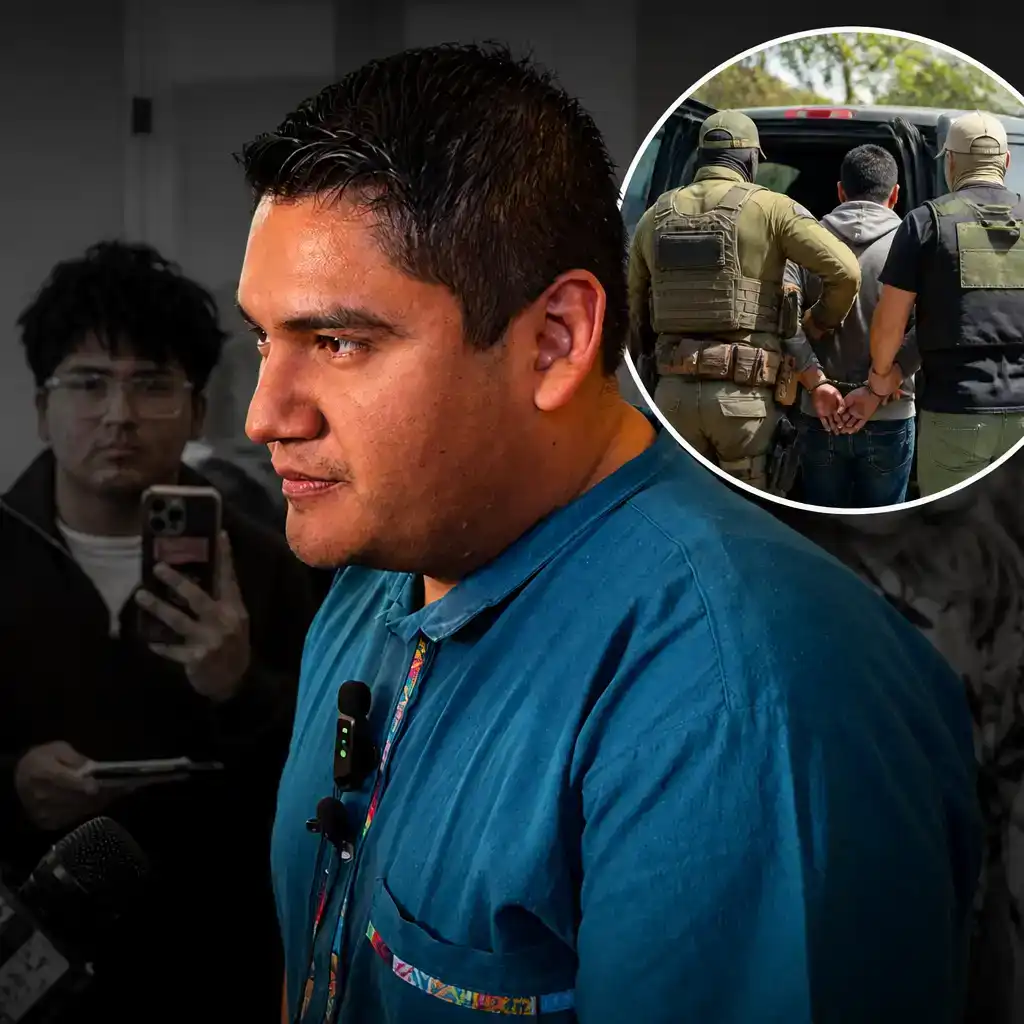
The contest is unfolding across the Central Valley, where masked federal agents in unmarked vehicles have conducted raids under a 45-day effort called Operation Save California. Arrests increased sharply from October 5, according to KQED, while farmworkers, businesses and local officials reported widespread fear and disruption.
In Bakersfield, that anxiety sits alongside a memorial to labour organiser and civil rights leader Dolores Huerta, who recently died. Orange marigolds and prayer candles honour the United Farm Workers co-founder, while a nearby theatre displays the words she coined: “Sí, se puede,” meaning “yes, it can be done.”
Huerta helped secure better pay and working conditions for migrant and Latino labourers during the 1960s and 1970s. Decades later, many of the same communities are again organising, this time against immigration raids and their economic fallout.
What has happened during the ICE operation?
The Department of Homeland Security says enforcement has targeted people living in the country illegally, including criminals, and rejects allegations of racial profiling.
“Allegations that DHS law enforcement engages in ‘racial profiling’ are disgusting, reckless, and categorically FALSE,” the department said. “What makes someone a target for immigration enforcement is if they are illegally in the US, NOT their skin colour, race, or ethnicity.”
Accounts from workers, lawyers and local officials present a considerably less tidy picture. Teresa Romero, president of the United Farm Workers, said agents were targeting established community members who appeared Latino and working class.
“We are seeing car windows being smashed and farm workers dragged from vehicles in the middle of the road while on their way to work,” Romero said on October 10.
KVPR separately reported detentions involving worker vans, unusually high workplace absences and calls from the Nisei Farmers League for immigration agents to respect farmworkers’ rights. Le Monde also documented fear and disruption among agricultural workers around Bakersfield.
No public DHS breakdown has emerged showing how many people detained during the operation had serious criminal convictions. That leaves the administration’s description of narrowly targeted enforcement sitting awkwardly beside reports of broad workplace and roadside arrests.
Lawyers say detainees were denied access to counsel
The controversy extends beyond who was arrested. Attorneys with the UFW Foundation told KQED that immigration officials repeatedly denied them access to detainees at processing facilities in Fresno and Bakersfield.
That allegation raises questions about whether those held could obtain meaningful legal advice while agents processed their cases. Immigration authorities have not publicly resolved the dispute described by the attorneys.
One woman, speaking anonymously because of her family’s situation, said agents detained her farmworker husband in Fresno County while he was returning from work during the first week of October.
“I understand that if they are criminals or have done bad things, they have brought it on themselves,” she said. “But my husband has not done anything. The only thing he has done is work.”
The couple’s four children were born in the United States and are citizens. She said some now cry when someone knocks at the door because they fear agents will take their mother too.
Arvin Mayor Olivia Calderon said stories like that spread quickly through small communities. Pastors had asked her whether Immigration and Customs Enforcement takes Sundays off because residents were afraid to attend church.
“When you have a small community like ours, and folks are actually detained, word spreads,” Calderon said.
How are the raids affecting farms and businesses?
The arrests began during harvest season, when Central Valley agriculture depends heavily on a reliable workforce. Fresno County Supervisor Luis Chavez said employers had reported elevated absences and warned that indiscriminate enforcement damages the wider community.
Villegas said some residents were too frightened to leave home for work, school or basic errands. Local businesses had responded by delivering groceries, he added, because customers were avoiding public places.
“I’ve spoken to local business owners who have told me how their businesses are now struggling as a result of these ICE raids,” Villegas said.
The effects potentially reach beyond individual farms. Missing workers can reduce labour availability, interrupt food production and cut revenue for shops serving agricultural towns. For a federal operation presented as a public-safety measure, it has acquired a substantial economic side project.
Villegas has linked the raids to Valadao’s support for legislation providing major new funding for ICE. During an October debate, Valadao repeated the administration’s position that many targets had criminal backgrounds and said the situation “is what it is.”
Republican spokesman Christian Martinez told the Associated Press that Villegas supports policies making California “more expensive, less safe, and harder for working families.”
Why is California’s 22nd District so competitive?
The district is roughly two-thirds Hispanic, according to the Associated Press. Trump’s approval among Hispanic adults nationally fell by 18 percentage points between March 2025 and July 2026, giving Democrats reason to believe immigration enforcement could hurt Republicans here.
Valadao, however, has repeatedly survived elections that looked difficult on paper. The son of Portuguese immigrants who became dairy farmers, he has built durable support among ranchers, growers and conservative voters. He won six of his previous seven congressional races and secured re-election in 2024 with 53.4 percent of the vote.
The district’s boundaries changed after California voters approved a redistricting measure in 2025. The new map leans more Democratic, although rural Central Valley communities remain much more Republican than California overall. Kamala Harris won the state by nearly 20 points in 2024, while Trump carried Kern County, which includes Bakersfield, by a similar margin.
In the June primary, Valadao received 40.7 percent. Villegas took 32.4 percent, while Democratic Assemblymember Jasmeet Bains won 26.9 percent. Consolidating the Democratic vote is central to Villegas’s path.
The race has attracted Bernie Sanders, Alexandria Ocasio-Cortez and House Speaker Mike Johnson, all campaigning for their respective parties. California Senators Adam Schiff and Alex Padilla joined labour leaders and volunteers in Bakersfield on the day before voting ended.
What do the final polling and spending figures show?
The Hill and Decision Desk HQ gave Villegas an 84 percent probability of winning on November 2. A late University of Southern California poll placed him ahead by 52 percent to 41 percent, though its sample of 356 voters carried a 5.2-point margin of error.
Money has poured into the district. Federal filings through October 14 showed Valadao raising $6.33 million and Villegas $5.94 million. Outside organisations reported another $14.9 million in spending for and against the candidates through October 27. Apparently, uncertainty remains an expensive product.
Alongside immigration, Villegas has campaigned on healthcare cuts and the rising cost of living. Higher energy prices following the Trump administration’s war with Iran have added pressure, particularly for workers commuting across the region.
Priscilla Ortega, a 23-year-old warehouse worker from Lamont, said fuel costs had taken money away from food and household bills. She described herself as “annoyed and very angry” about both the price increases and immigration raids.
California’s early reported totals will largely consist of mail ballots, which tend to favour Democrats, according to the Associated Press. Election Day votes counted later may lean more Republican. In a district with Valadao’s history of defying expectations, an early lead may therefore be just that, not a result.