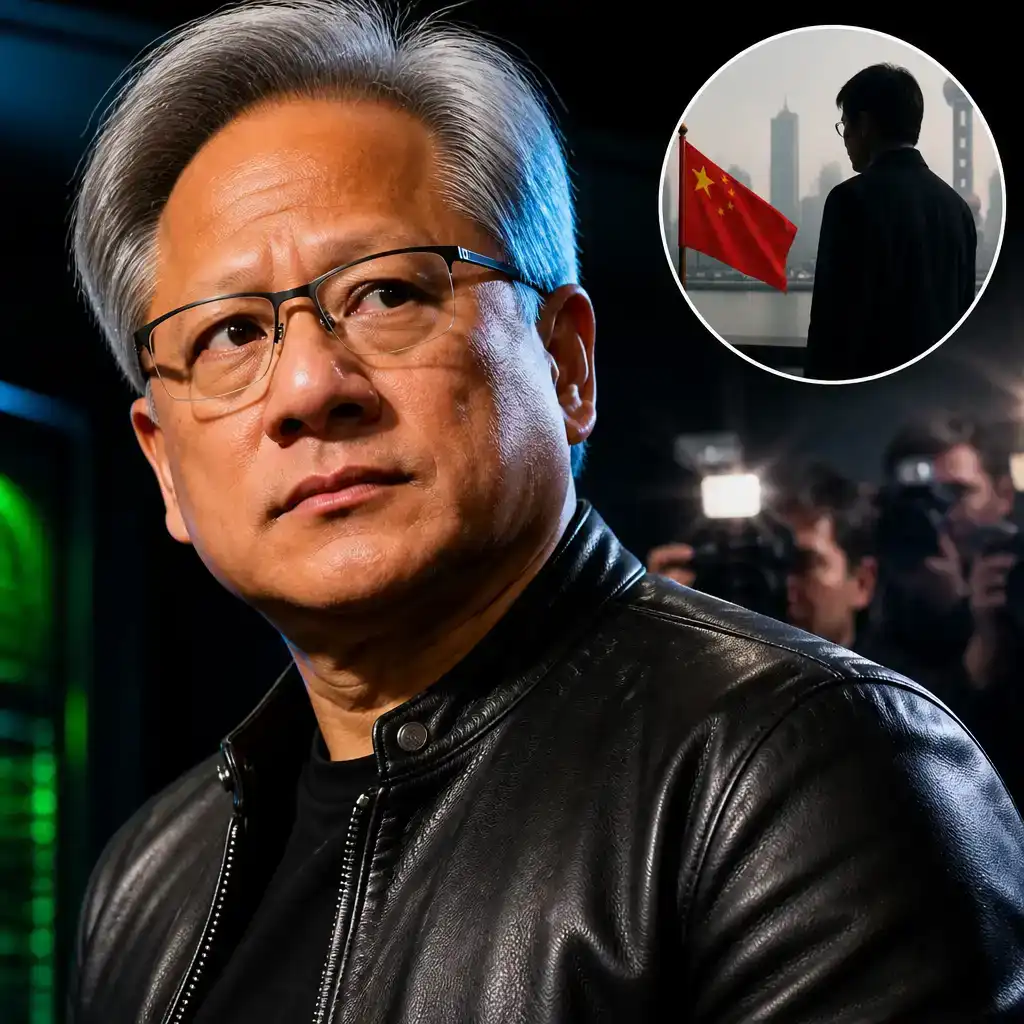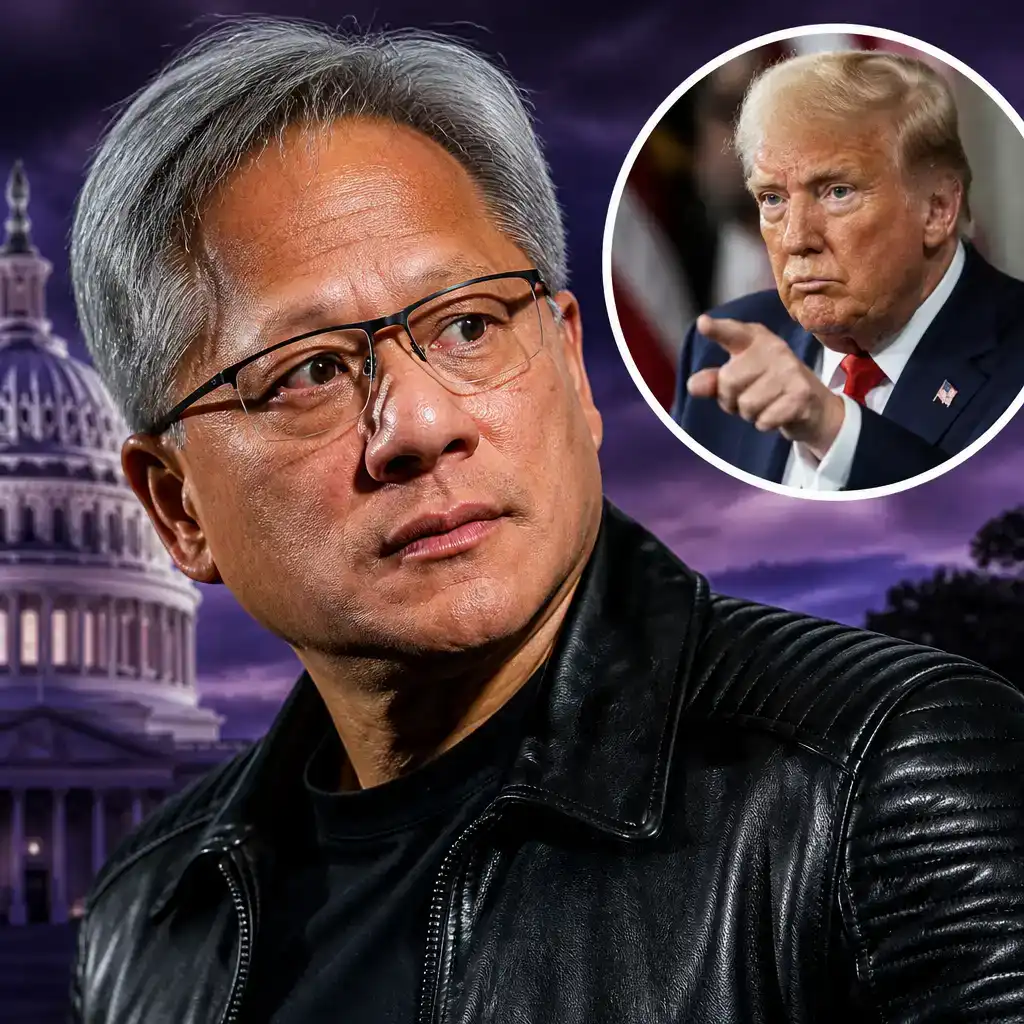
Donald Trump is facing growing opposition from both Republicans and Democrats after personally intervening to secure Jensen Huang’s return as chief executive of Nvidia, just 11 days after the billionaire stepped down amid national security concerns.
The decision has exposed a significant division between the White House and members of Congress over America's relationship with China, the regulation of artificial intelligence technology and the political influence surrounding one of the world's most valuable companies.
While Trump has successfully helped restore Huang to his position, the Nvidia boss now faces a public congressional hearing that could put the administration's handling of the controversy under further scrutiny.
Republicans challenge Trump's intervention
Several Republican lawmakers have questioned the circumstances surrounding Huang's reinstatement, challenging the administration's assurances regarding national security.
In its official announcement on November 23, Nvidia confirmed that its board had received guidance from senior US government officials before concluding that Huang's return presented no national security risk.
However, the company did not publicly identify those officials or disclose the evidence underpinning that assessment.
Republican Senator John Curtis has demanded clarification over which government representatives were involved and what information they provided to Nvidia's directors.
Meanwhile, Senate Intelligence Committee chairman Tom Cotton has indicated that Congress intends to investigate the matter and pursue stronger restrictions on the export of advanced American AI chips.
According to the Associated Press, Vice President JD Vance also became increasingly involved in efforts to persuade Nvidia's board to bring Huang back.
Trump has publicly acknowledged his own involvement in securing the executive's return.
Democrats raise concerns over corporate accountability
The controversy has also attracted criticism from Democratic lawmakers, with Senator Ruben Gallego warning that the decision could establish a troubling precedent for American businesses facing national security concerns.
California congressman Ro Khanna has similarly argued that powerful business leaders should remain subject to export restrictions and accountability, regardless of their importance to financial markets.
The bipartisan objections are particularly significant because they concern not only Huang's personal conduct but also the mechanisms through which American companies are expected to safeguard strategically important technology.
Nvidia announced an independent investigation on November 8, following reports that Huang had been targeted by a foreign intelligence operation.
Huang subsequently resigned on November 12, following allegations concerning extramarital relationships, including one involving a woman suspected of connections to Chinese intelligence.
Those allegations should not be confused with an established finding that Huang personally transferred restricted technology or knowingly assisted a foreign intelligence service.
Nvidia shares fall after extraordinary market rally
The political backlash comes as investors reassess the implications of Huang's return.
Nvidia shares surged 31.5% on Monday, adding more than $952 billion to the company's market capitalisation. However, that extraordinary rally began to reverse on Tuesday.
Reuters reported that Nvidia shares were down 5.2% during premarket trading, as attention returned to the regulatory and corporate governance uncertainties facing the chipmaker.
The distinction between the two trading sessions is important. Restoring Huang as CEO resolves the immediate uncertainty surrounding Nvidia's leadership, but it does not change the legal framework governing American semiconductor exports or eliminate congressional oversight.
Trump's personal financial interests have also become relevant to the debate. A separate Reuters review of presidential financial disclosures estimated that he holds between $11 million and $55 million in Nvidia shares.
That financial exposure does not, by itself, establish that Trump intervened for personal financial gain. It does, however, raise legitimate questions about potential conflicts of interest.
Jensen Huang faces a crucial congressional hearing on December 3
The next major development in the controversy is already scheduled.
According to the official Senate Banking Committee calendar, Huang is due to appear before lawmakers on Thursday, December 3, at 10am Washington time (3pm GMT).
The public hearing will examine US export controls and the protection of America's competitive advantage in artificial intelligence.
It is a separate process from Nvidia's internal corporate decisions. The board can determine who runs the company, but its assessment of national security risks does not prevent Congress from examining the effectiveness of existing export restrictions.
For Nvidia, the immediate leadership crisis may be over. The congressional examination of its relationship with China, and the broader dispute over how Washington regulates access to advanced AI technology, remains unresolved.