A Democratic senator-elect offered Donald Trump the chance to put his name on universal healthcare. The White House has now rejected the idea, turning an unusual attempt at political cooperation into a dispute over the future of American healthcare.
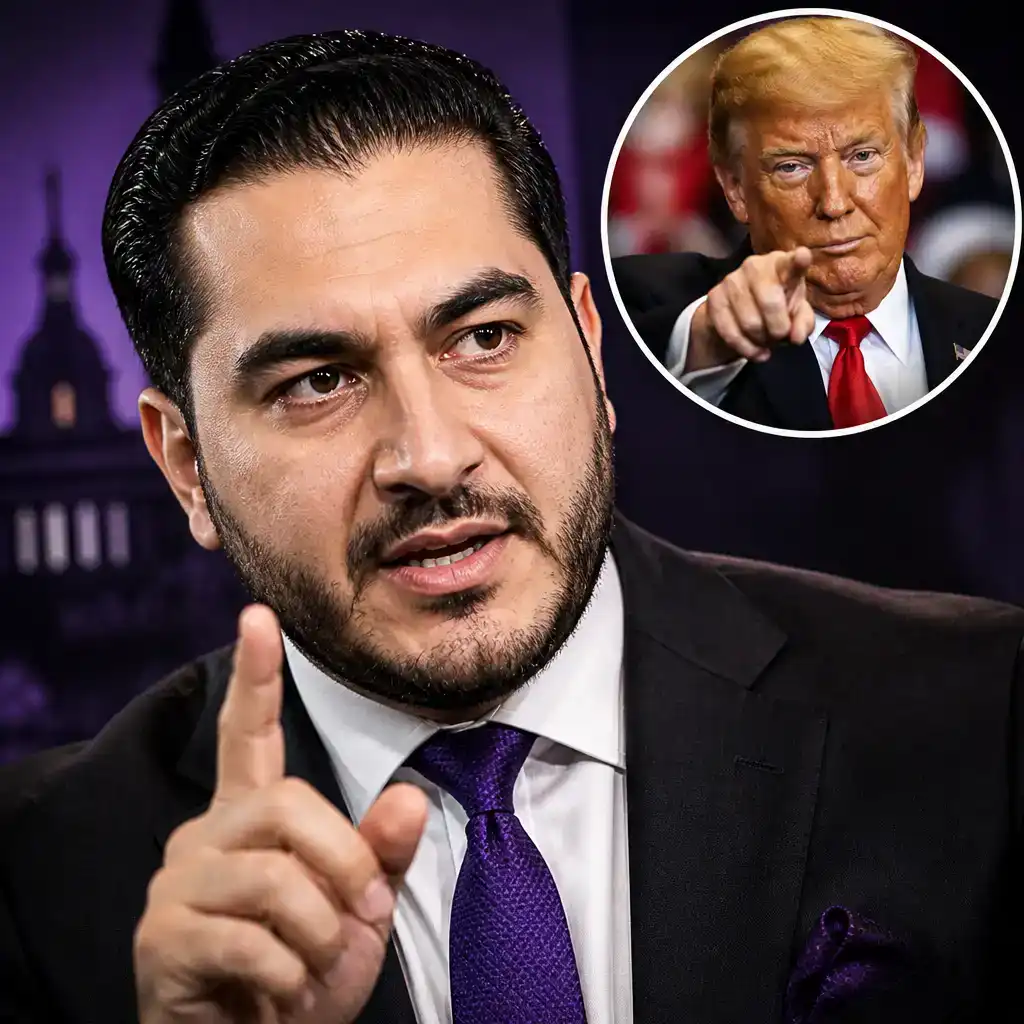
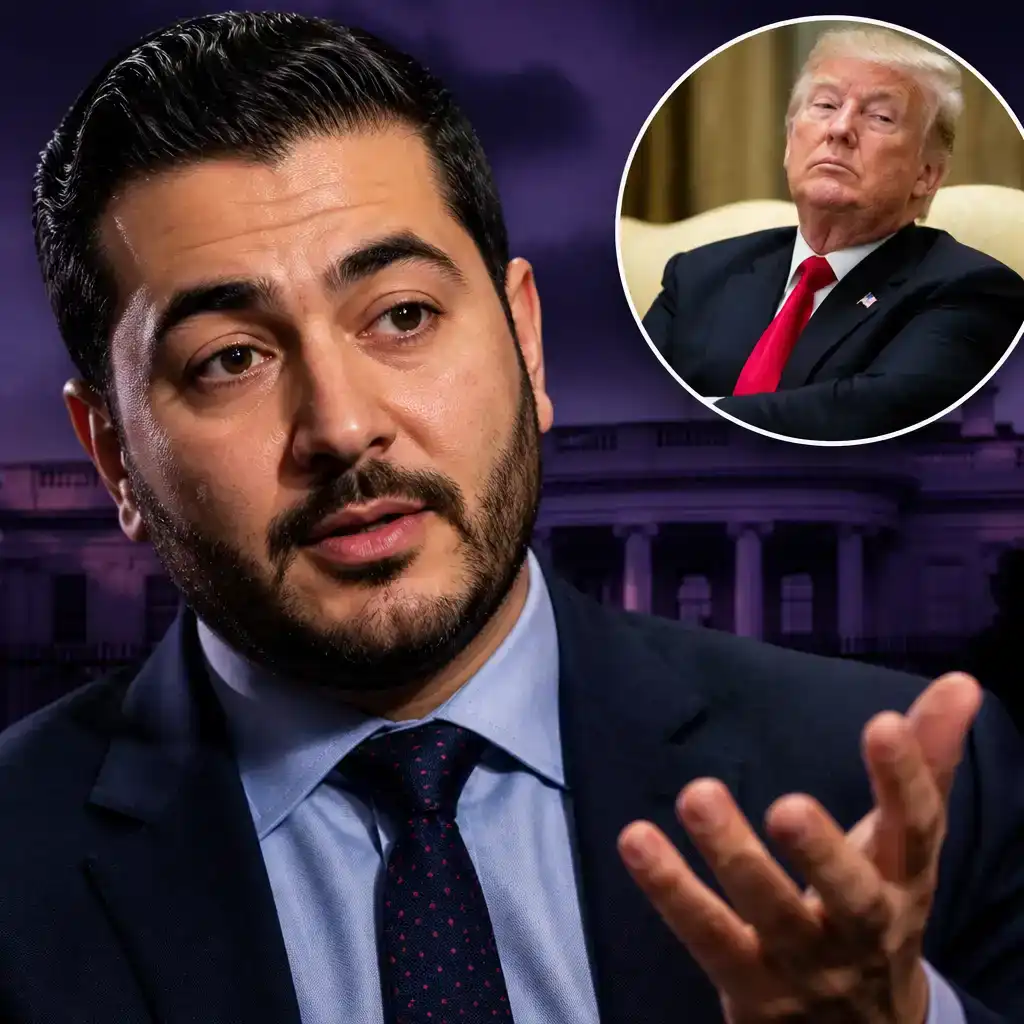
Abdul El-Sayed, who won Michigan's US Senate election earlier this month, proposed calling a Medicare for All programme "Trumpcare for All" if the president agreed to support legislation guaranteeing health coverage to every American.
But in a statement to Fox News Digital on November 17, White House spokeswoman Allison Schuster dismissed the proposal, arguing that a government-run insurance system would threaten existing healthcare coverage. She suggested the plan should instead be called "Medicare for None".
Why did Abdul El-Sayed offer to name healthcare after Trump?
The offer was deliberately unconventional. Rather than trying to persuade Trump through traditional policy arguments, El-Sayed appealed to something the president has repeatedly demonstrated an interest in: putting his name on major projects.
On November 12, El-Sayed shared a mock-up of a gold-coloured TrumpCare insurance card, complete with the president's name and signature. The design presented universal healthcare as something Trump could personally champion.
Five days later, the senator-elect returned to the idea in a short social media video, addressing Trump directly and suggesting that supporting universal healthcare could make him extraordinarily popular.
"Trumpcare for All. It's really popular. People really want healthcare," El-Sayed said, inviting the president to attach his name to the programme.
He also referenced an AI-generated image depicting Trump as Jesus healing the sick, using humour to reinforce his message.
The approach was especially striking given the hostility between the two politicians during Michigan's Senate campaign. Trump had publicly attacked El-Sayed, while the Democrat had sharply criticised the president.
Yet the healthcare offer was not entirely a joke. El-Sayed, a physician and former public health official, made universal coverage a central part of his election campaign. He has consistently argued that Americans should be able to receive medical treatment without premiums, deductibles or copayments.
What would Trumpcare for All actually mean for Americans?
Despite the attention surrounding the gold insurance card, Trumpcare for All is not an approved healthcare programme. It is El-Sayed's proposed branding for Medicare for All, a much broader effort to replace most private health insurance with a publicly financed national system.
The distinction matters because changing the name of a programme would not resolve the difficult questions surrounding its implementation, particularly how the transition would work and how the government would finance it.
Those questions are becoming increasingly relevant following the Democrats' congressional election victories.
In a separate development reported by The Associated Press on November 18, Senator Bernie Sanders outlined a proposed four-year transition towards Medicare for All.
Under that plan, the first year would lower Medicare eligibility from 65 to 55, extend coverage to children and expand benefits to include dental, vision and hearing care. The eligibility age would then fall progressively until coverage became universal in the fourth year.
That proposal demonstrates that the debate extends beyond El-Sayed's provocative advertising campaign. Democrats are considering concrete legislative routes towards expanding public healthcare, although significant disagreements remain over the costs and political feasibility.
Could Trump still support universal healthcare?
The administration's response offers little indication of an imminent agreement.
Schuster defended Trump's existing approach to healthcare costs, particularly his efforts to reduce prescription drug prices, while criticising the substantial changes Medicare for All would make to the insurance system.
El-Sayed has nevertheless continued presenting healthcare as an opportunity for cooperation. At a Bloomberg Government event on November 17, he expressed willingness to work with Trump and Health Secretary Robert F. Kennedy Jr. on healthcare policy.
For supporters of Medicare for All, the challenge is not simply securing congressional approval. Legislation would also need the president's signature, unless Congress could assemble the votes required to override a veto.
For now, the administration has publicly rejected El-Sayed's proposal, and there is no indication that Trump has personally agreed to reconsider his position.
The gold TrumpCare card remains a political pitch rather than a government benefit. But the exchange has exposed a practical question facing Democrats as they prepare to take control of Congress: how far can they advance their healthcare agenda without the president's cooperation?