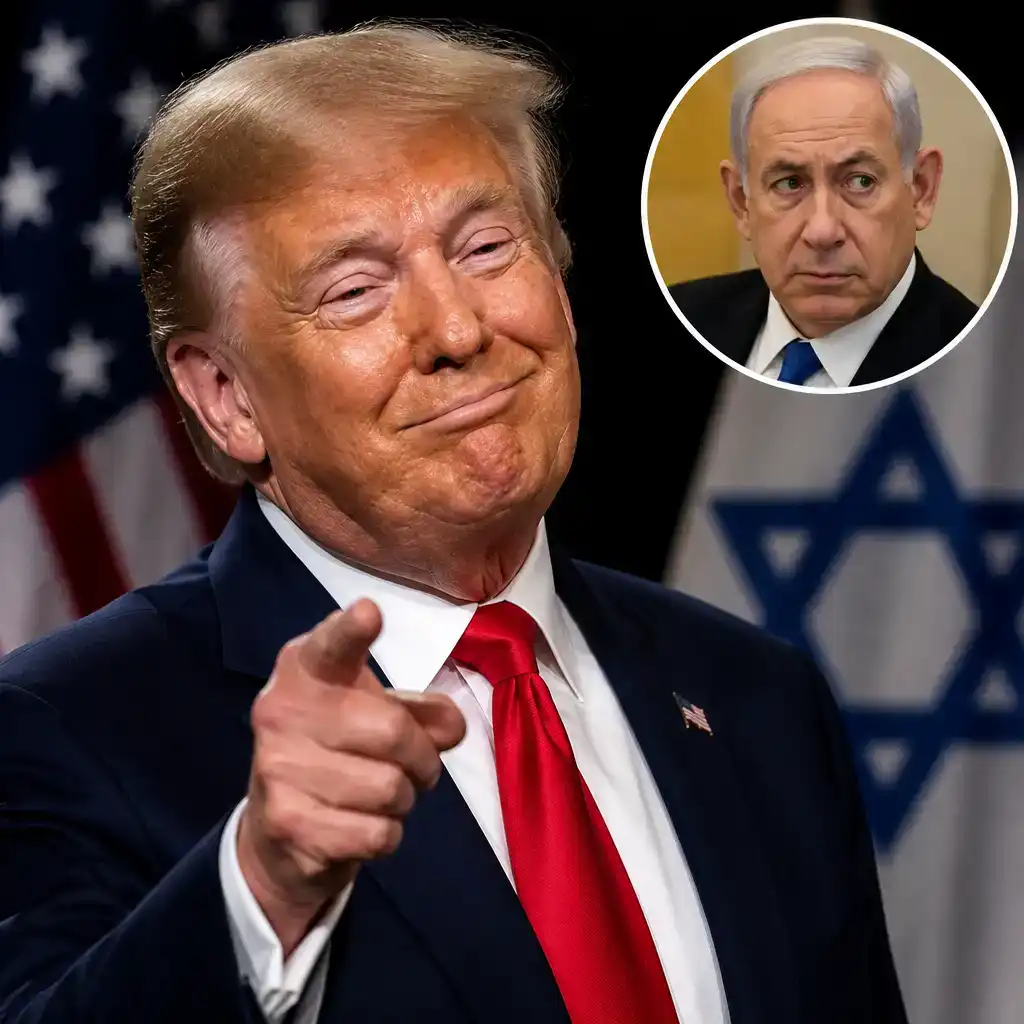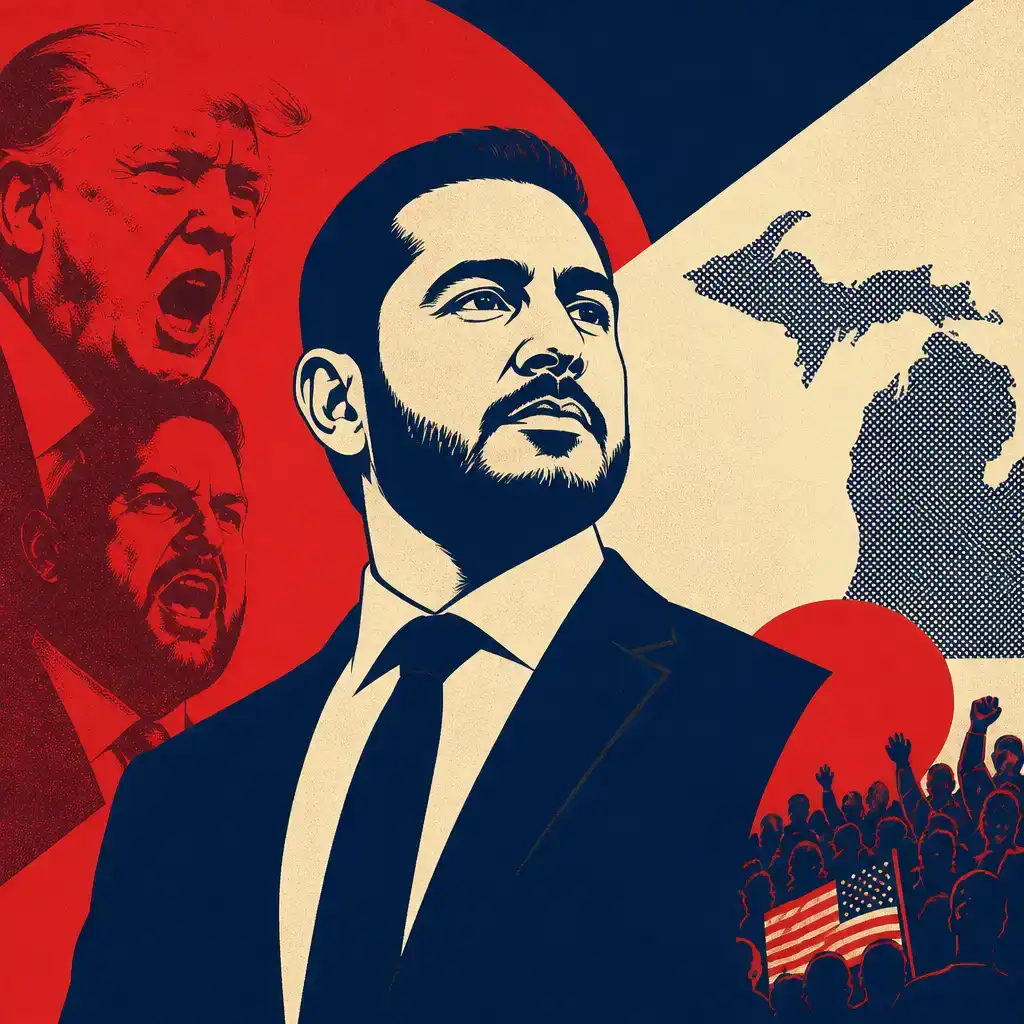
Abdul El-Sayed made history in Michigan on November 4, becoming the first Muslim elected to the US Senate. But his victory speech in Detroit also delivered a pointed message to two of his most prominent political opponents: President Donald Trump and Vice President JD Vance.
After defeating Trump-backed Republican Mike Rogers, the 42-year-old Democrat addressed the president's repeated remarks about his name with a line that drew cheers from supporters.
"Donald, look, I know you struggle with my name. So after JD swears me in in January, you can just go on and call me Senator," El-Sayed said.
The remark followed another jab at Vance, whom El-Sayed addressed as "habibi", an Arabic term of affection, before joking about the vice president's role in welcoming newly elected senators to Washington.
As documented in footage distributed through Reuters Connect, El-Sayed described the prospect as a constitutional irony, turning the final moments of a divisive election campaign into a celebration of his political breakthrough.
Why El-Sayed singled out Trump and Vance
The exchange was more than an election-night joke. Throughout the campaign, El-Sayed faced personal attacks alongside criticism of his progressive political positions.
Trump repeatedly targeted the Democratic candidate, including by referring to him as "Mohammed". Vance also attacked El-Sayed during campaign appearances in Michigan, while Rogers challenged his positions on national security and Israel.
According to Reuters, Rogers sought to associate El-Sayed with Islamic extremism through alleged Muslim Brotherhood connections. El-Sayed denied the allegations, which were not supported by evidence.
His victory therefore carried particular significance. Michigan voters elected the country's first Muslim senator despite a campaign in which his religion and identity became recurring political targets.
Does JD Vance actually have to swear El-Sayed into the Senate?
There is an important constitutional distinction behind El-Sayed's joke.
As vice president, Vance also serves as president of the US Senate. Under established Senate procedure, the vice president traditionally administers the oath of office to incoming senators.
However, the Constitution does not require Vance personally to swear in every elected senator. As the Senate's official explanation of its procedures makes clear, the president pro tempore can administer the oath when the vice president is absent.
That means El-Sayed's suggestion that Vance is constitutionally compelled to perform the ceremony is better understood as political humour than a strict description of the law.
What is certain is that El-Sayed will be entitled to take his seat when the new Congress begins in January 2027, regardless of who administers the oath.
A historic win with consequences beyond the speech
El-Sayed's victory also preserved an important Democratic Senate seat following the retirement of Gary Peters, denying Republicans an opportunity to strengthen their position in a competitive battleground state.
The former public health official campaigned on Medicare for All, reducing corporate influence in politics and lowering costs for working families. His victory followed a difficult Democratic primary and a general election marked by substantial outside spending.
As the Associated Press reported, the result represents a significant breakthrough for progressive Democrats, demonstrating that a candidate associated with the party's left wing can win statewide in Michigan.
El-Sayed will be the first Muslim to serve in the Senate, although Muslim Americans have previously been elected to the House of Representatives.
His election-night remarks drew attention for their humour, but the more consequential outcome is the one voters delivered: El-Sayed will enter Washington with a six-year Senate term and a mandate to pursue the policies on which he campaigned.