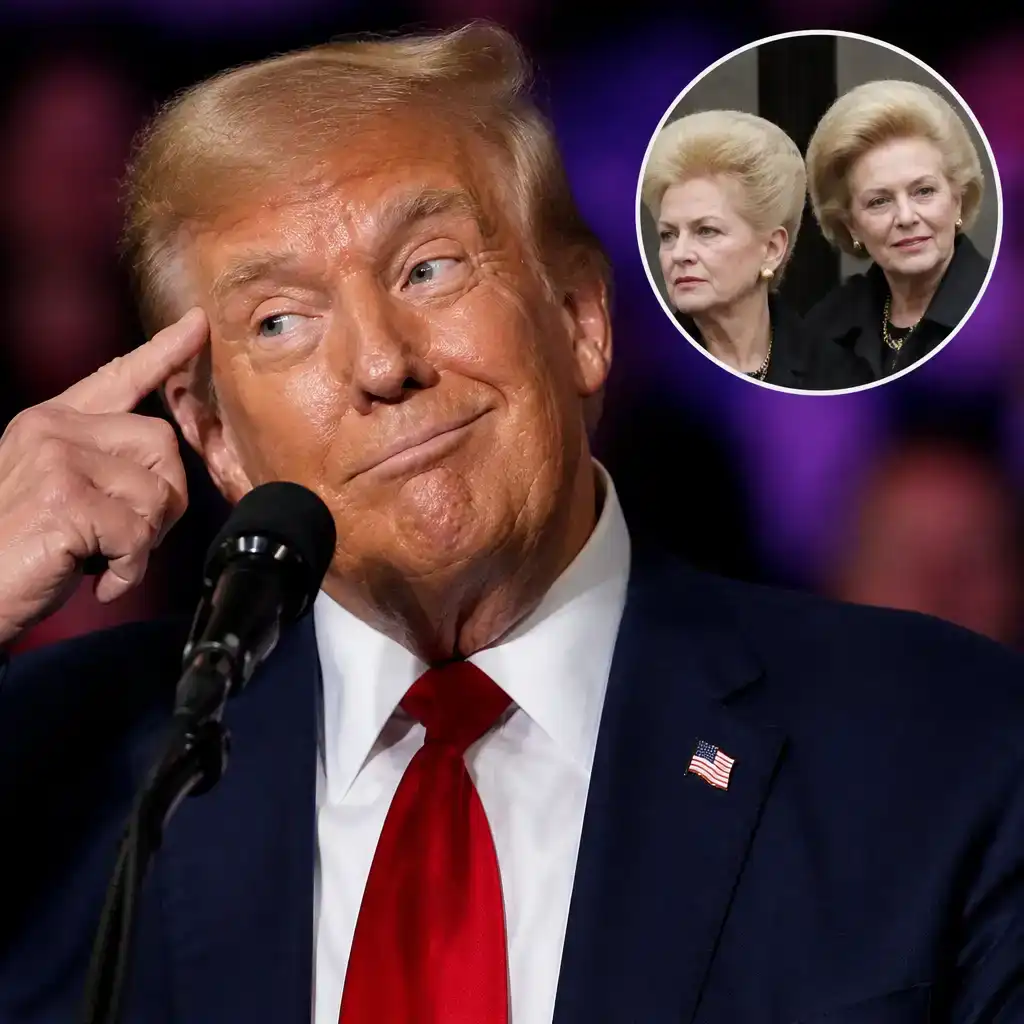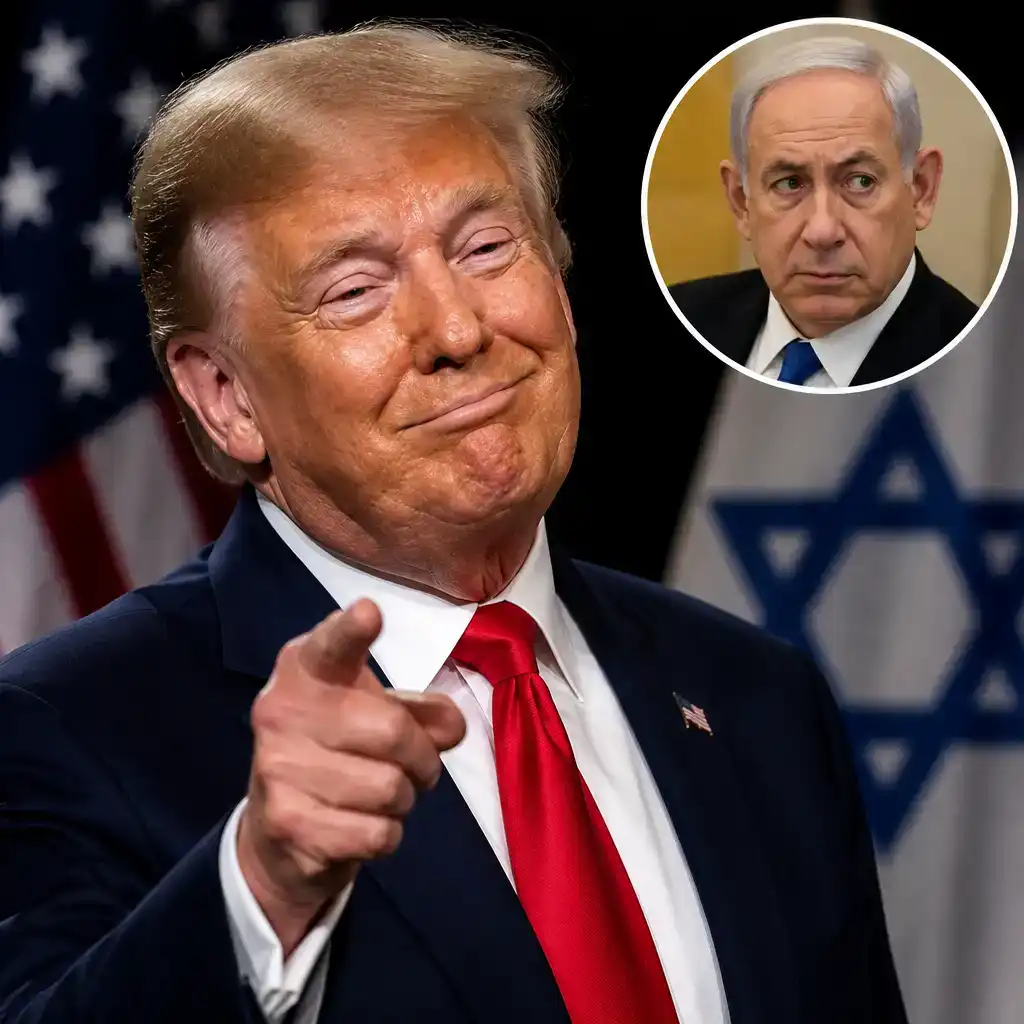
Donald Trump has floated an unusual career move if Americans ever tire of him: moving to Israel and becoming the country's prime minister.
The US president made the remark during a phone interview with Fox & Friends on Tuesday, November 3, as Americans headed to the polls for the midterm elections. Discussing his relationship with Israel, Trump claimed to enjoy an extraordinary level of popularity in the country.
"If people ever got tired of me in the U.S., I'll move to Israel and become prime minister," Trump joked, claiming his approval rating there stood at 99%.
The president went further, suggesting his popularity was unmatched by any political leader in history. However, he offered no independently verifiable polling evidence to support the figure.
The exchange can be seen in a clip published by Fox News.
Is Trump really that popular in Israel?
Trump does enjoy considerable support among Israelis, but available polling paints a different picture from the near-unanimous approval he described.
A Pew Research Center survey published in June 2026 found that 66% of Israeli adults expressed confidence in Trump to do the right thing regarding world affairs.
That measures confidence in his international leadership rather than job approval, so the figures are not directly interchangeable. Nevertheless, the survey provides no support for his claim of 99% approval.
Trump's latest suggestion is also not entirely new. On May 20, 2026, he made a similar joke while speaking to reporters, again claiming 99% support and suggesting he might seek Israel's highest political office after finishing his time in Washington.
There is another obstacle beyond the polling numbers. Under Israel's parliamentary system, the prime minister must be a member of the Knesset, while eligibility for election to parliament requires Israeli citizenship. Winning widespread public admiration would not, by itself, qualify Trump for the position.
For now, the prospect of Trump succeeding Netanyahu remains a joke rather than a political plan. The proposed end to billions of dollars in annual US military assistance, meanwhile, raises questions with considerably more immediate consequences for both countries.