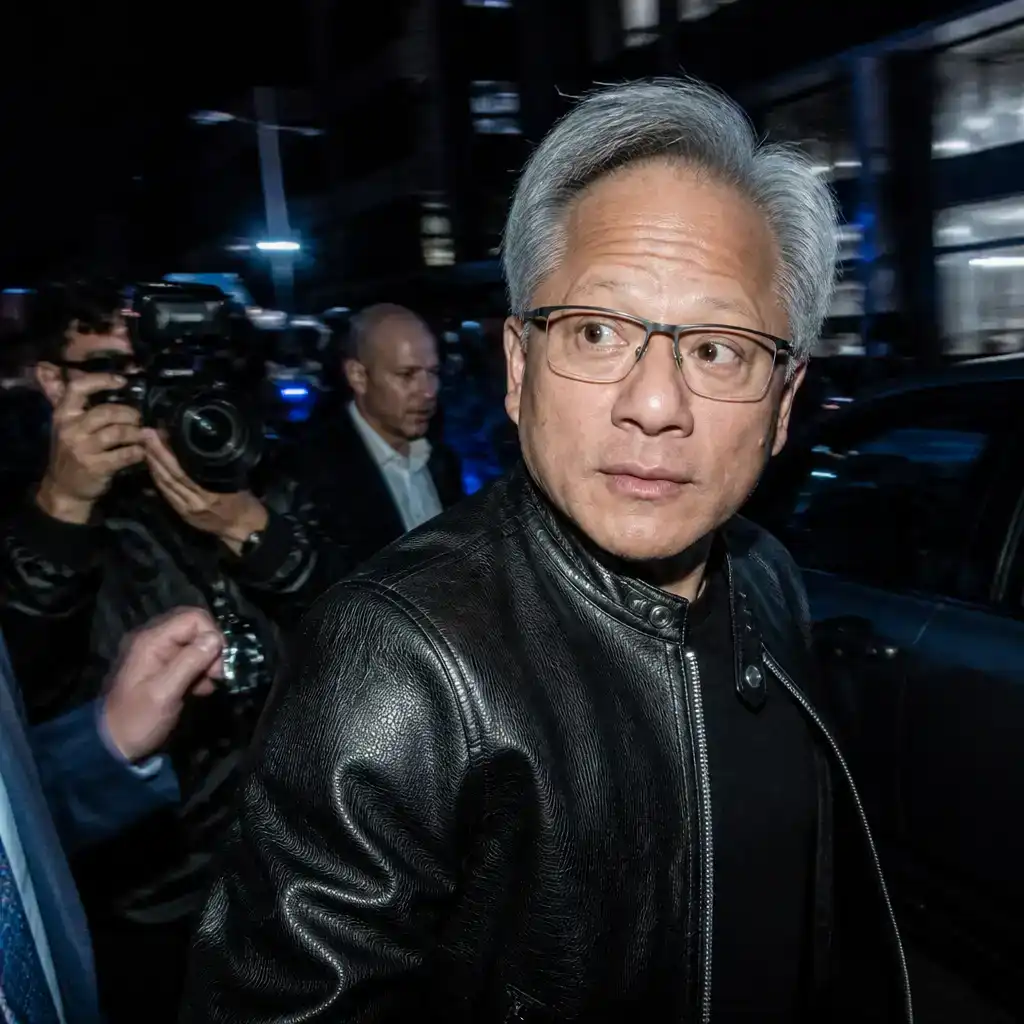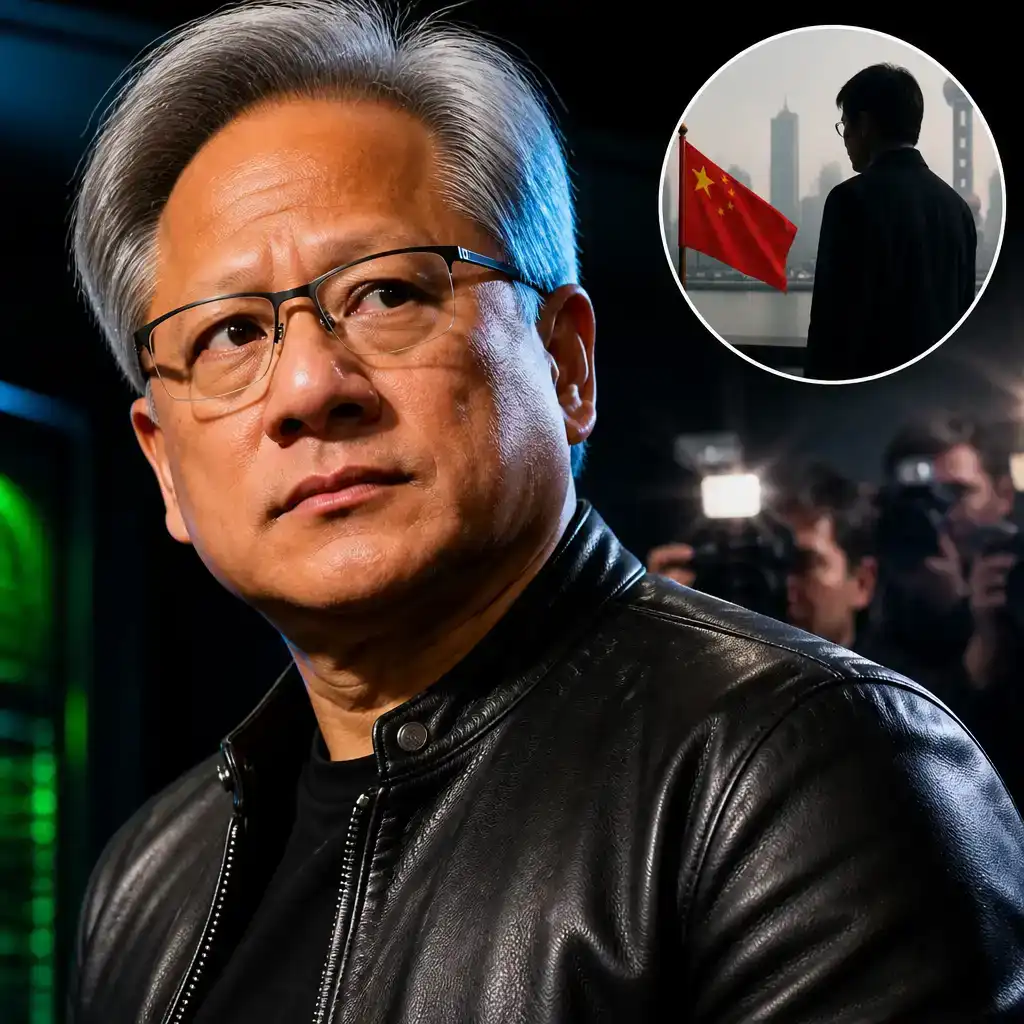
Jensen Huang is back in charge of Nvidia, less than two weeks after resigning amid allegations involving a suspected Chinese intelligence operative. But his return comes with an important distinction: the company has reinstated its founder and CEO without completing the investigation into the national security concerns surrounding him.
Nvidia announced the decision on November 23, 2026, confirming that its board had voted unanimously to restore Huang as president, chief executive and director. According to a filing with the US Securities and Exchange Commission, the board formally approved his reinstatement on November 22, a day before the public announcement.
The reversal is particularly striking because, just five days earlier, Nvidia's board had publicly indicated that it did not intend to bring Huang back.
Why did Nvidia reverse its decision on Jensen Huang?
In its November 23 announcement, Nvidia said the decision followed several discussions with Huang that satisfied directors about his honesty and ability to lead the company.
The board also revealed that it had consulted senior US government officials before approving his return.
According to Nvidia, those consultations left directors confident that reinstating Huang would not create a national security risk. However, the company did not disclose precisely what information government officials provided or explain the basis for that assessment.
Board chairman Harvey C. Jones said directors believed Huang was the right person to lead Nvidia and that his return served the interests of shareholders, employees, partners and customers.
Huang welcomed the decision, describing his return as an opportunity to lead Nvidia during a transformative period for the technology industry.
His reinstatement also ends Colette Kress's brief tenure as interim CEO. Kress, who took over following Huang's departure, will continue as Nvidia's chief financial officer, while Jones remains board chairman.
What happened in the alleged Chinese spy scandal?
The controversy surrounding Huang emerged from reporting about his relationship with Alice Huang, a former executive at Singapore-based cloud computing company Megaspeed International.
Alice Huang has been suspected by US authorities of having links to Chinese intelligence, although that allegation has not been established as fact. China's government has denied the accusations, while US Attorney General Todd Blanche has said the Justice Department has not reached a conclusion about whether she was a Chinese spy.
Megaspeed has separately come under investigation over potential violations of US export controls involving advanced Nvidia chips and their possible diversion to Chinese customers.
On November 8, Jensen Huang publicly acknowledged being unfaithful to his wife in a message to Nvidia employees. He apologised to his family and colleagues and pledged to cooperate with an independent investigation launched by Nvidia's board.
Further reporting raised allegations concerning another relationship involving a Nvidia executive. On November 12, the company announced Huang's resignation, bringing an abrupt interruption to his 33-year leadership of the business he co-founded.
His departure was initially presented as the beginning of a permanent leadership transition. Nvidia appointed Kress as interim CEO and began searching for a successor.
On November 17, the board publicly rejected the prospect of reinstating Huang, according to ABC News. The reversal less than a week later therefore represents a significant change in the company's publicly stated position.
Huang is back, but Nvidia's investigation is not over
Perhaps the most consequential detail in Nvidia's announcement is what has not changed.
The company confirmed that its independent committee, supported by outside legal counsel, will continue investigating the foreign intelligence concerns. Huang has agreed to cooperate with that process.
That means the board's confidence in allowing him to resume his duties should not be confused with a completed investigation or a formal resolution of the underlying allegations.
Nvidia is also maintaining the National Security and Export Control Oversight Committee established on November 17.
Chaired by director Suzanne Nora Johnson, the committee has responsibility for overseeing national security policies, export control compliance and global trade risks. It is separate from the independent investigation examining the concerns involving Huang.
Nvidia has additionally announced plans to appoint a new chief compliance officer, who will oversee compliance matters and report to the board's Nominating and Corporate Governance Committee.
These measures indicate that Huang's reinstatement has not ended the company's wider effort to strengthen its internal oversight.
What happens next for Nvidia and Jensen Huang?
Huang's return resolves the immediate uncertainty over who will lead Nvidia, but several important questions remain unanswered.
US lawmakers are continuing to examine the implications of the allegations and the possible diversion of advanced AI technology to China. Huang is scheduled to appear for a closed-door congressional interview on December 1, with representatives from three House committees investigating the matter.
Separately, Nvidia has committed to cooperating with ongoing government investigations and inquiries, while its own independent investigation continues.
For shareholders and customers, the immediate outcome is the restoration of Nvidia's longtime leader. For regulators and investigators, the underlying questions surrounding national security, export controls and corporate oversight remain open.
Huang has regained his position at the top of one of the world's most influential technology companies. The investigations that followed his departure, however, have yet to reach their conclusions.