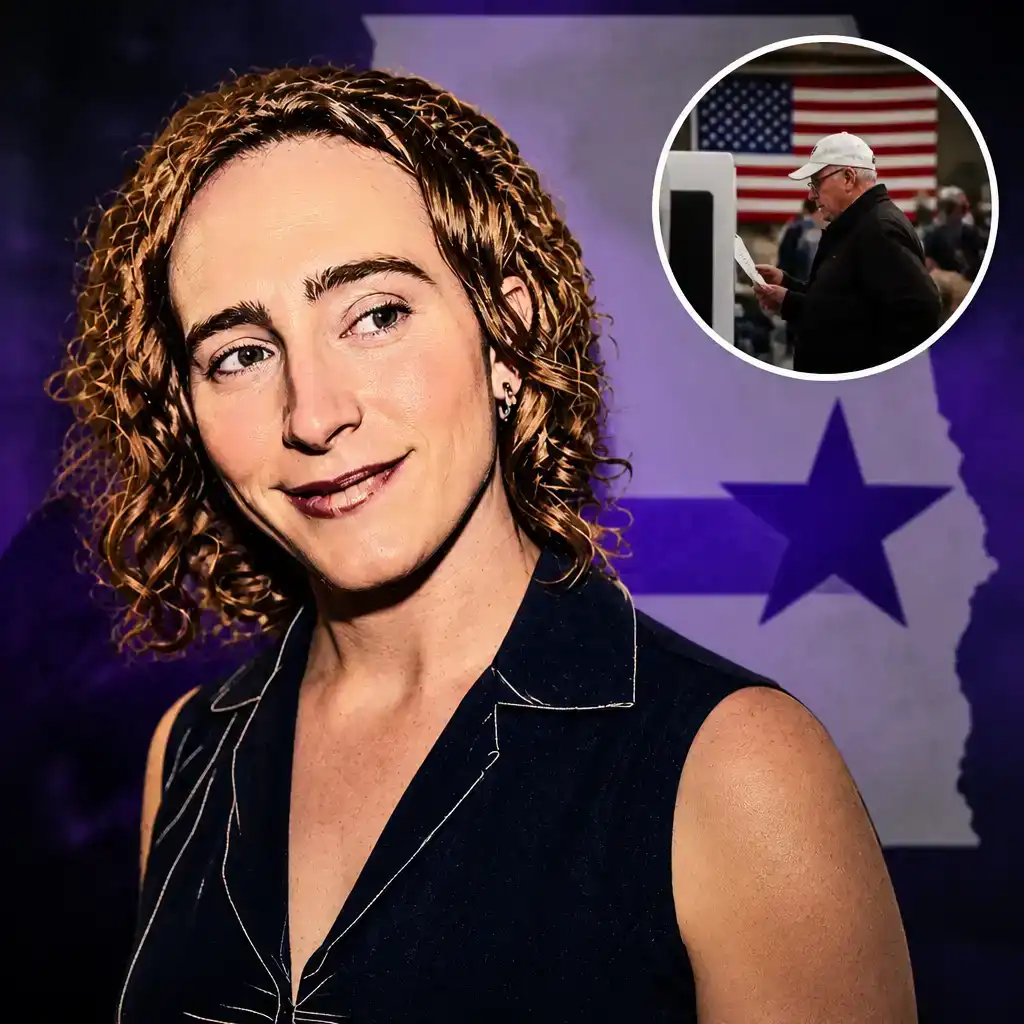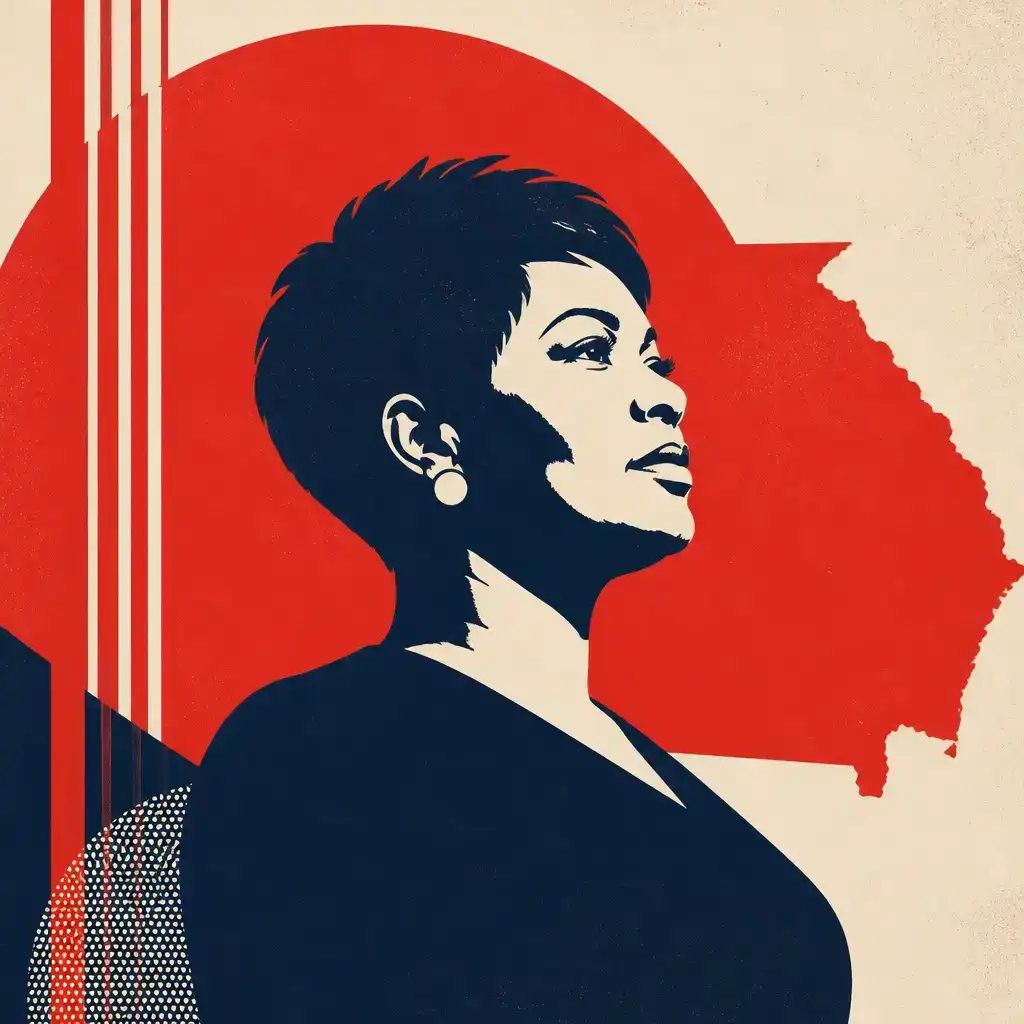
For the first time in American history, voters have elected a Black woman to lead a US state. Democrat Keisha Lance Bottoms won Georgia's gubernatorial election on November 3, 2026, defeating Republican businessman Rick Jackson and breaking a political barrier that had stood since the nation's founding.
The 56-year-old former Atlanta mayor will also become Georgia's first female governor, regardless of race, when she takes office in January 2027. Her victory ends more than two decades of Republican control of the state's highest executive office.
The result was confirmed by an Associated Press race call on election night. Jackson, a billionaire healthcare executive backed by President Donald Trump, conceded defeat and congratulated Bottoms.
A historic victory after years of political setbacks
Bottoms' election represents a breakthrough that previous Democratic candidates had been unable to achieve in Georgia.
In 2018, Stacey Abrams became the first Black woman nominated for governor by a major American political party. She subsequently lost two gubernatorial elections to Republican Brian Kemp, in 2018 and 2022.
Bottoms has now accomplished what Abrams came close to achieving, becoming the first Black woman elected governor of any of the 50 US states.
Her victory also carries considerable political significance. Georgia last elected a Democratic governor in 1998, when Roy Barnes won the office. Republicans subsequently gained control of the governorship in 2002 and maintained it through successive elections.
Bottoms previously served as Atlanta's mayor from 2018 to 2022, navigating the COVID-19 pandemic, protests following the killing of George Floyd and disputes over public safety. She later joined President Joe Biden's administration as director of the White House Office of Public Engagement.
What Keisha Lance Bottoms' victory means for Georgia
Beyond the historic milestone, Bottoms' election could substantially change the state's policy direction.
Her campaign focused on expanding healthcare access, lowering living costs and changing Georgia's approach to abortion restrictions. Among her proposals were fully expanding Medicaid, increasing the minimum wage to $15 per hour and pausing new data centre developments.
However, winning the governorship does not automatically give Bottoms the power to implement every campaign promise.
Expanding Medicaid, for example, would require legislative approval. Republicans have controlled both chambers of Georgia's General Assembly for years, and several legislative races remained unresolved early on November 4.
The eventual balance of power in the legislature will therefore help determine how much of her agenda can become law.
Georgia's election also delivered wider Democratic gains. Voters elected Democrats to the offices of lieutenant governor, attorney general and secretary of state, while Democratic Senator Jon Ossoff won reelection.
These results demonstrate that Bottoms' victory was part of a broader political shift rather than an isolated gubernatorial upset.
A milestone with national significance
Black women have played an important role in American electoral politics for decades, particularly within the Democratic Party, but none had previously been elected governor of a US state.
That changed with Bottoms' victory in Georgia, a Southern state whose political history includes slavery, segregation and pivotal struggles over civil rights and voting access.
The distinction is significant: Bottoms is the first Black woman elected to lead one of the 50 states, and she is now Georgia's governor-elect rather than its sitting governor.
Her election creates a historic first. The next challenge will be turning that electoral victory into a governing programme, particularly where her priorities require support from state lawmakers.
For further reporting on the election and its implications, see Reuters' election coverage, the Associated Press report and Georgia Public Broadcasting's account.