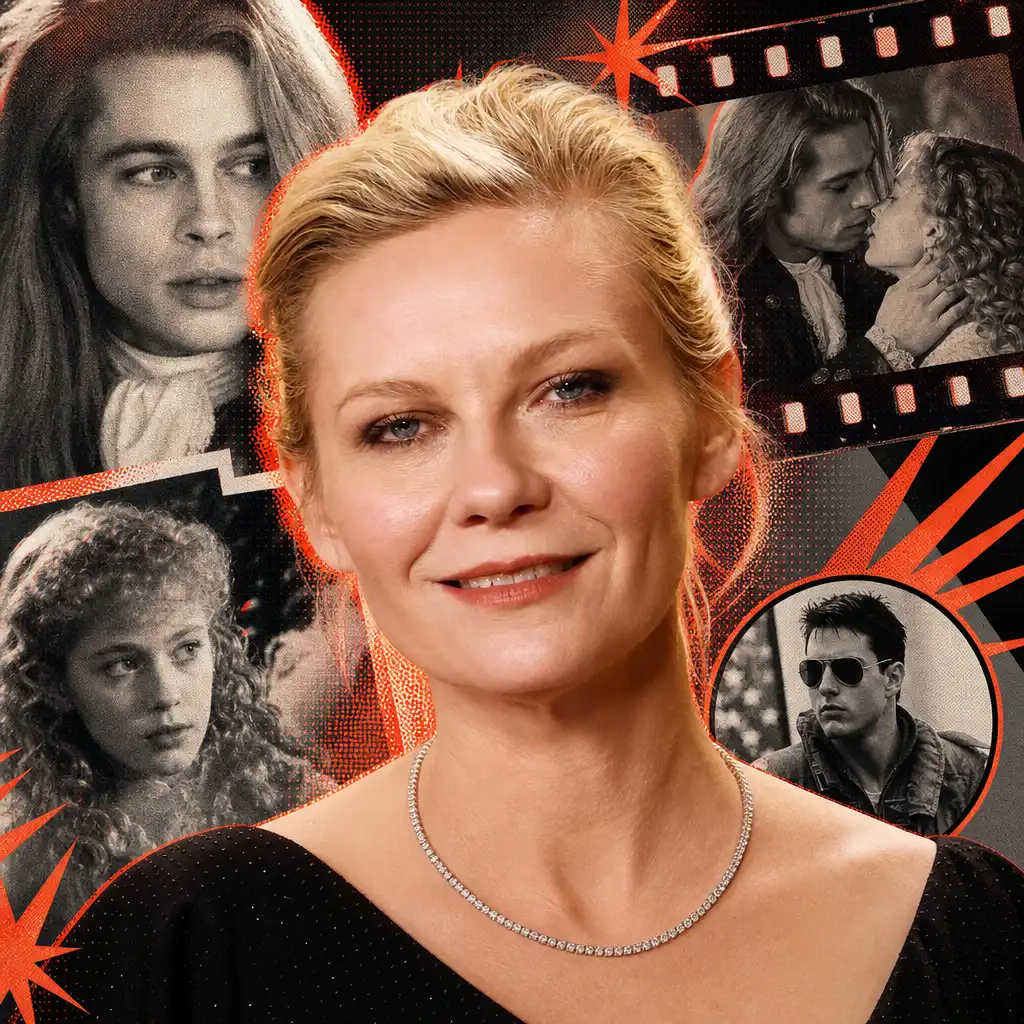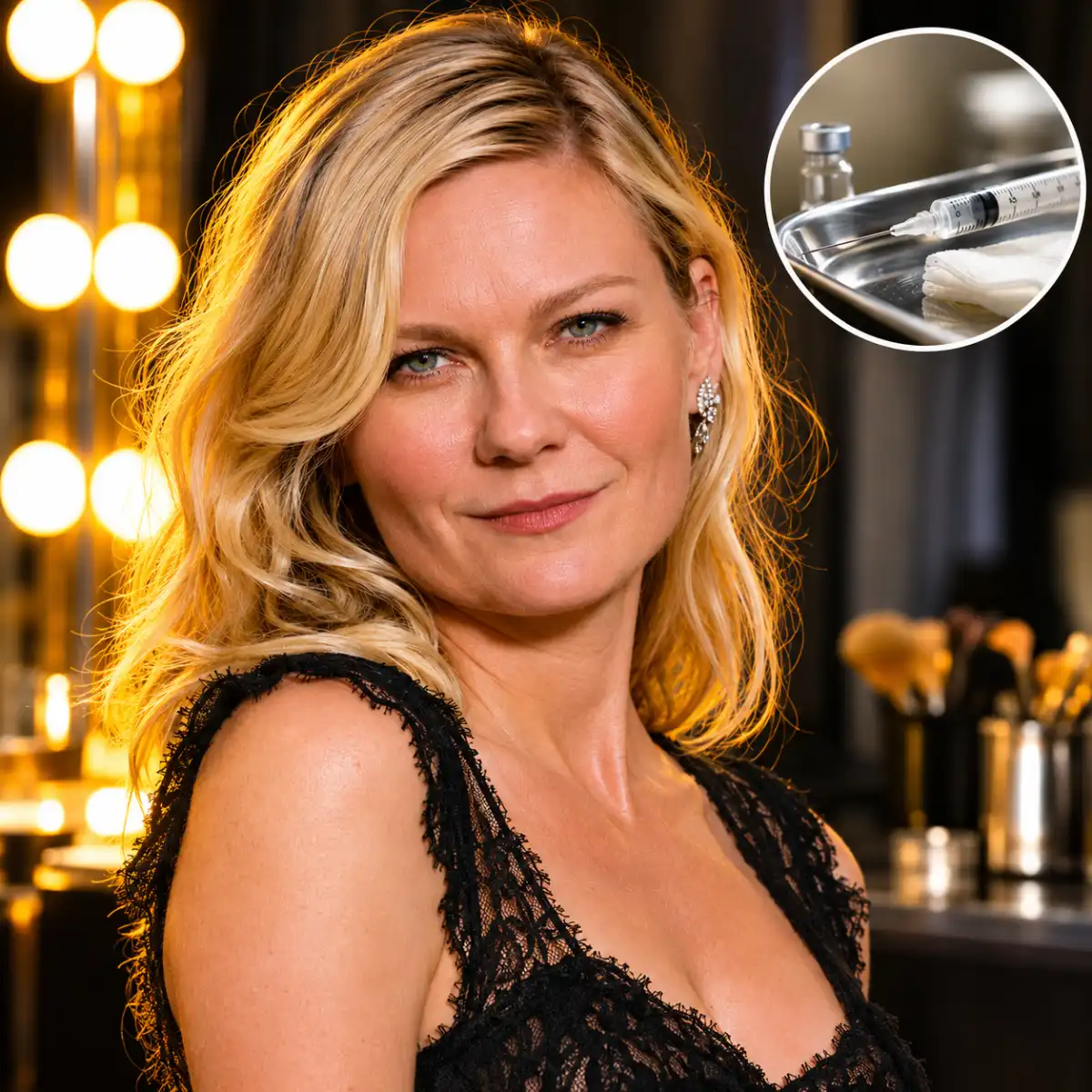
Kirsten Dunst has made her position on ageing in Hollywood clear: she would rather grow older and continue playing compelling characters than change her appearance to meet someone else's beauty standards.
Her comments, originally made in a 2024 interview with British GQ, have a more revealing backstory than the headline-grabbing quote suggests. It involves a surprising visit to a dentist during her Spider-Man years, pressure from the film industry and a piece of advice from director Sofia Coppola that stayed with her for decades.
Dunst told the magazine she had no intention of altering her face to conform to Hollywood's expectations, explaining that she would rather get older and pursue good acting roles.
Her remarks reflected a longstanding personal approach to her appearance, rather than a newly announced decision about cosmetic surgery. The interview does not establish a complete history of any cosmetic procedures she may or may not have undergone.
The Spider-Man incident that shaped Kirsten Dunst's attitude
During the production of 2002's Spider-Man, Dunst faced pressure to change something that had been part of her appearance since childhood: her teeth.
According to her British GQ interview, a producer arranged a visit to a dentist who encouraged her to have them straightened. Dunst declined.
But the actress previously offered a more detailed account during a January 2022 appearance on NPR's Fresh Air, explaining that the encounter was less confrontational than some retellings suggested.
She had initially understood the appointment to be an ordinary dental visit. Once there, cosmetic changes were suggested, but she chose not to proceed. Dunst also recalled that her teeth appeared straighter in one of the Spider-Man promotional posters, suggesting that her appearance had been altered in the imagery even though she had resisted changing it herself.
For an actress entering one of Hollywood's biggest franchises, the experience illustrated how expectations about a female star's appearance could extend beyond the roles she played.
How Sofia Coppola gave her confidence at just 16
Dunst has repeatedly credited Sofia Coppola with helping her develop the confidence to resist those expectations.
The pair first worked together on The Virgin Suicides, which introduced a 16-year-old Dunst to a filmmaker whose perspective on beauty was markedly different from the pressures she would later encounter.
Coppola admired the young actress's natural appearance, including the distinctive teeth that other Hollywood figures subsequently wanted her to change.
In a 2021 Los Angeles Times interview, Dunst explained that Coppola's approval helped her feel comfortable with herself at an age when she did not necessarily feel attractive or confident.
That encouragement carried over into her subsequent career choices. Instead of feeling compelled to become a conventional Hollywood blonde, she felt able to maintain her own appearance and personal style.
What makes that relationship significant is that Coppola's influence was not limited to one compliment. Dunst has described it consistently across interviews spanning several years, including conversations about her work, self-image and experiences with film producers.
Why Dunst's comments about cosmetic procedures need context
The actress's outspoken 2024 remarks are sometimes presented as a sweeping rejection of cosmetic surgery and fillers. Her actual comments, however, were rooted in specific experiences of being encouraged to alter her appearance.
She discussed her decisions not to straighten her teeth or enlarge her lips, connecting those choices to the confidence she developed through working with Coppola.
That distinction matters. Dunst was describing what she wanted for herself, not establishing a universal rule about how other women should approach ageing or cosmetic treatments.
Her career also provides context for her priorities. From Coppola's Marie Antoinette to Lars von Trier's Melancholia, Jane Campion's The Power of the Dog and Alex Garland's Civil War, Dunst has pursued performances across markedly different genres and stages of her life.
In the same British GQ interview, she discussed being selective about acting opportunities, particularly after receiving offers for roles she found repetitive or uninteresting.
Read together, her interviews reveal a consistent position: she wants to retain control over both her appearance and her work. The story is not a new celebrity feud with cosmetic surgery, but a documented example of how early encouragement helped an actress resist professional pressure to look different.