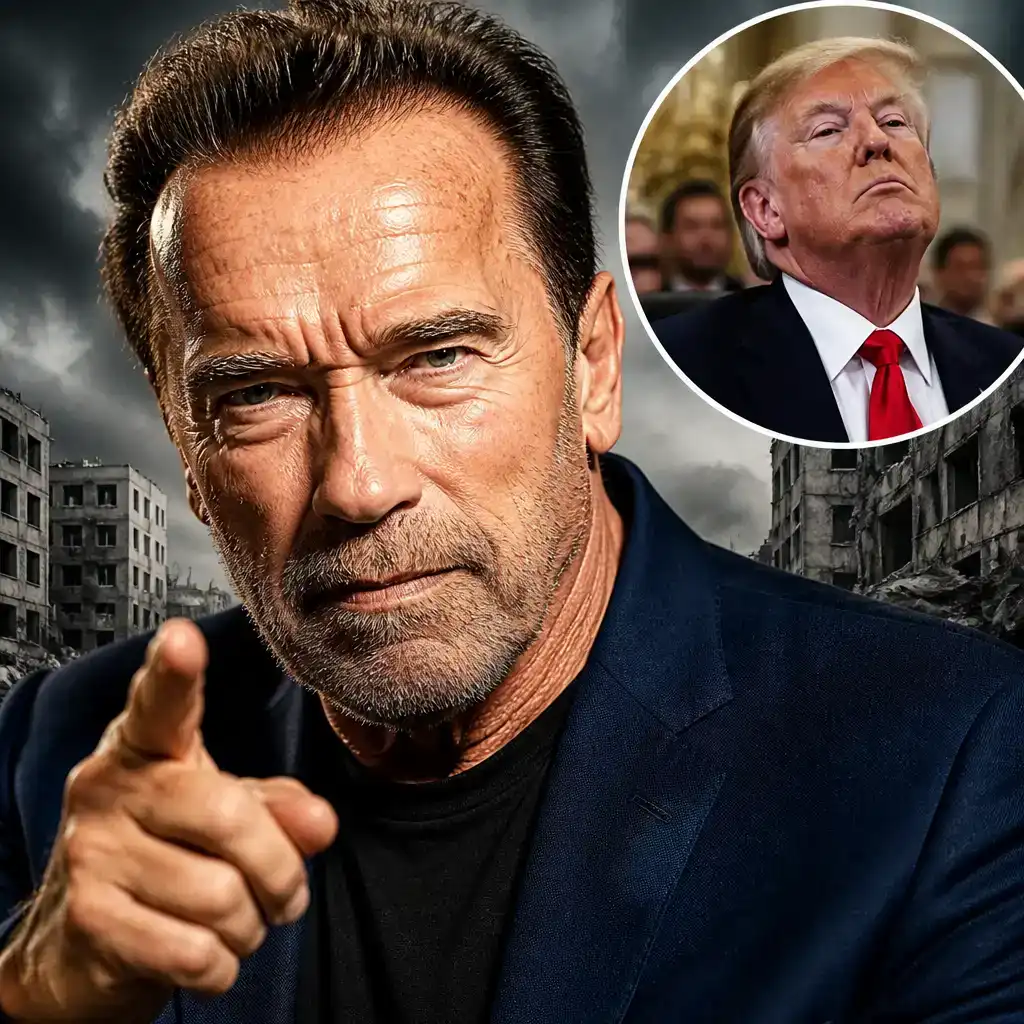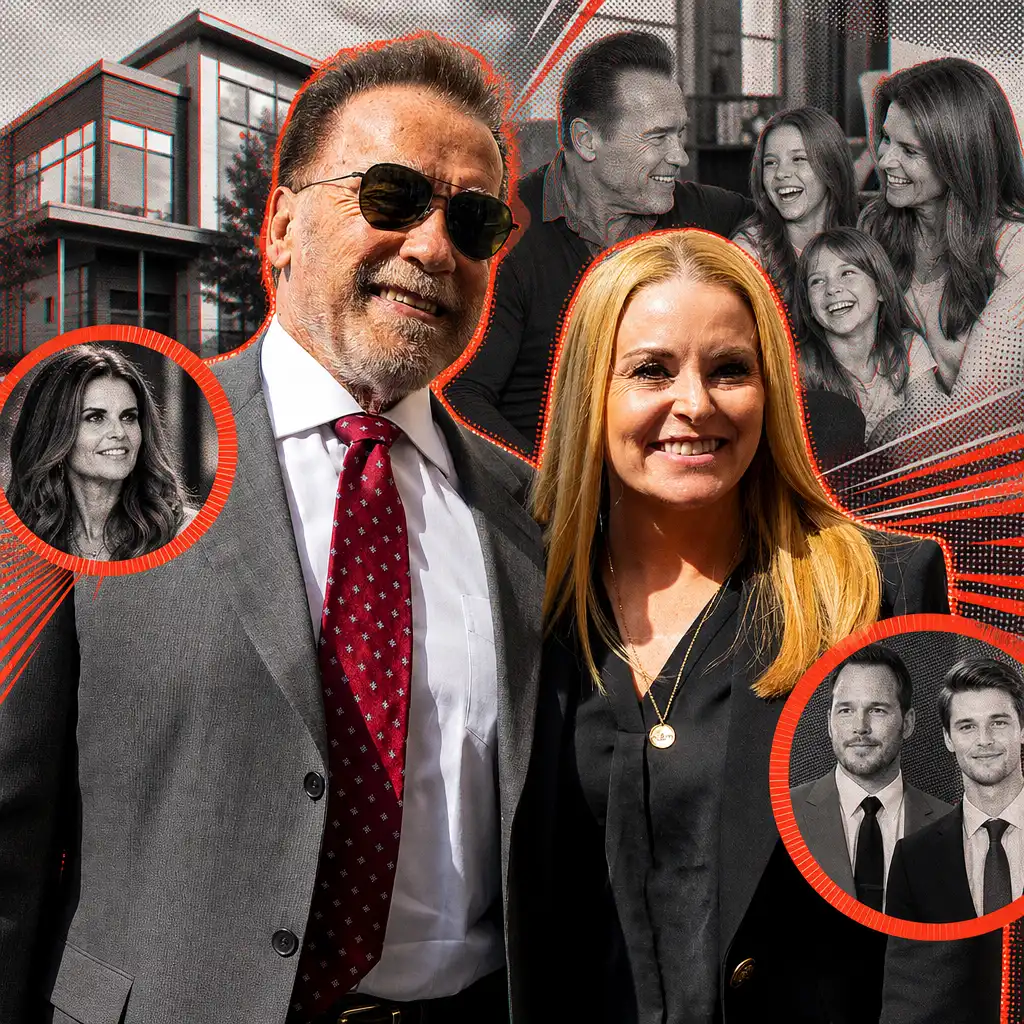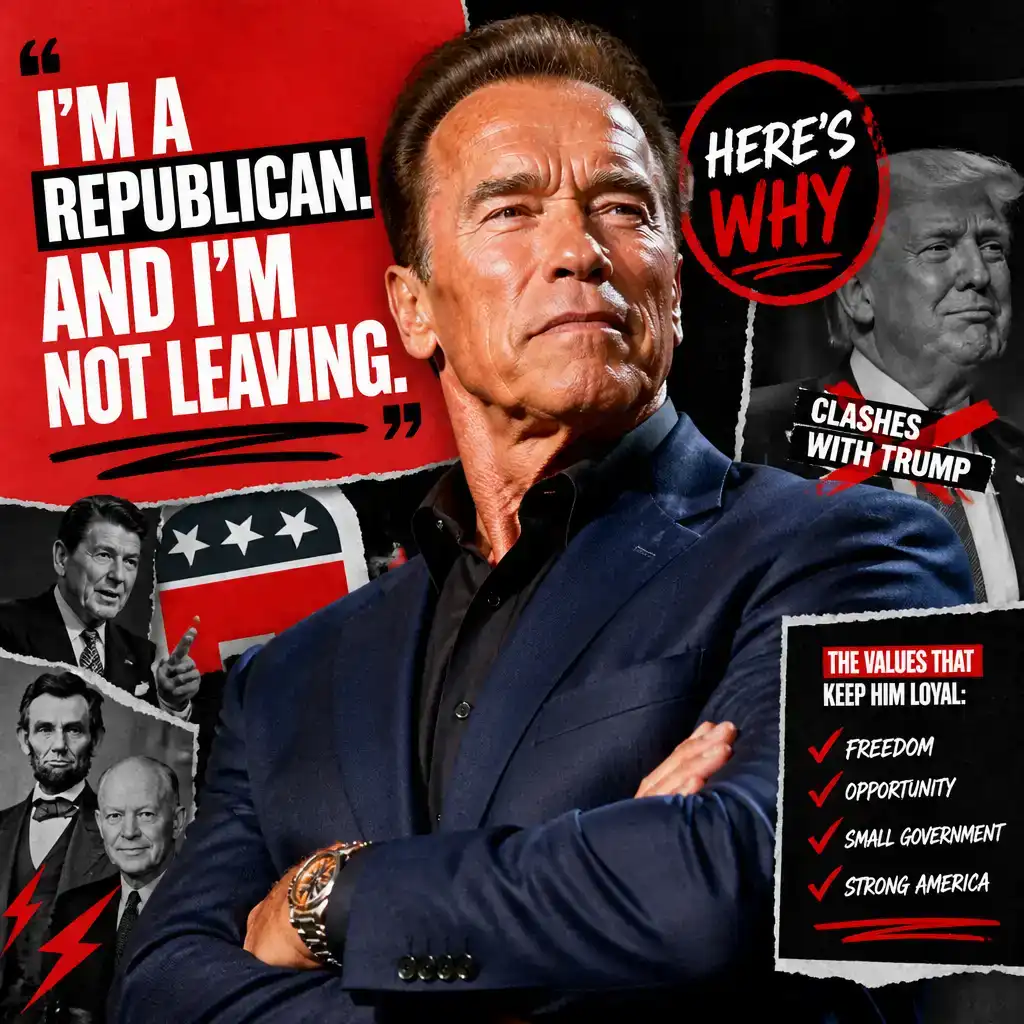
Arnold Schwarzenegger has made it clear that he has no intention of leaving the Republican Party, even though his political views have repeatedly put him at odds with some of its most prominent figures.
The 79-year-old actor and former California governor explained his position during the November 11, 2026, episode of Jimmy Kimmel Live!, where a straightforward question about his political allegiance turned into a discussion about American history, environmental policy and the importance of working across party lines.
When Jimmy Kimmel asked whether he still considered himself a Republican, Schwarzenegger did not hesitate.
"Yeah, I'm a Republican, absolutely," he replied.
For Schwarzenegger, remaining a Republican is not necessarily about agreeing with the party's current leadership. Instead, he argued that his political identity is rooted in a particular understanding of Republican history and the principles he believes the party once represented.
Why Schwarzenegger still identifies with the Republican Party
Schwarzenegger began by pointing to the Republican Party's historical role in abolishing slavery and expanding civil rights in the United States.
He described himself as a traditional Republican who admires the party's involvement in those developments, referring to the abolition of slavery, the extension of citizenship and the establishment of voting rights for formerly enslaved Americans.
The historical foundations of his argument are documented in the US National Archives' records of the constitutional amendments. The 13th Amendment abolished slavery in 1865, while the 14th Amendment established constitutional citizenship protections in 1868. The 15th Amendment, ratified in 1870, prohibited denying voting rights on the basis of race, colour or previous condition of servitude.
Those achievements were closely associated with Abraham Lincoln's Republican Party and the Reconstruction-era Congress, although the Republican and Democratic parties have undergone substantial political changes since the nineteenth century.
Kimmel challenged Schwarzenegger on whether those historical values still reflected the modern Republican Party.
Schwarzenegger's response was that changes within a political organisation did not require him to abandon his personal principles.
Why he brought up Ronald Reagan and Richard Nixon
Schwarzenegger also invoked two Republican leaders whose environmental records might surprise viewers more familiar with today's partisan disagreements over climate policy.
He highlighted Ronald Reagan's involvement in establishing the California Air Resources Board and Richard Nixon's creation of the Environmental Protection Agency.
Both examples have a documented historical basis.
According to the California Air Resources Board's official history, Governor Reagan approved legislation establishing the agency on August 30, 1967, bringing together existing air pollution programmes to address California's serious smog problems.
There is an important distinction in that history. The board was originally established to tackle air pollution, particularly from vehicles and other sources. Its responsibilities expanded into greenhouse gas regulation decades later.
Similarly, the US Environmental Protection Agency confirms that President Nixon initiated its creation through a federal reorganisation plan in 1970.
These examples reflect the tradition of environmental regulation that Schwarzenegger was describing, rather than evidence that Republican leaders have always agreed on climate policy.
Schwarzenegger also has a personal connection to that history. During his governorship, he signed California's Global Warming Solutions Act on September 27, 2006, establishing a statewide framework for reducing greenhouse gas emissions.
The legislation directed the same air resources board created under Reagan to implement key climate regulations, as documented in California's official state budget records.
His Republican identity has not stopped him supporting Democrats
Schwarzenegger's latest comments are particularly relevant when considered alongside his decision to endorse Kamala Harris and Tim Walz in the 2024 presidential election.
In his October 30, 2024, endorsement statement, he criticised aspects of both major political parties while explaining why he could not support Donald Trump.
He declared that he would always put his American identity ahead of his Republican affiliation.
His appearance on Kimmel therefore does not mark a reversal of that position. Rather, it helps explain how Schwarzenegger distinguishes his long-standing political identity from the candidates he chooses to support.
The former governor also used the interview to criticise the repeated failure of both parties to resolve major national problems, including immigration reform, government debt and healthcare.
His argument was that changes in congressional control mean little if lawmakers remain unwilling to cooperate on legislation.
When Kimmel jokingly suggested that Schwarzenegger might be the last Republican who still thought that way, the actor rejected the idea.
"This doesn't mean that we should give up," Schwarzenegger responded.
For viewers trying to understand his politics, that distinction is central: Schwarzenegger is not announcing a new party allegiance or withdrawing his previous criticism of Republican leaders. He is defending the political tradition he believes his party should represent, while maintaining that cooperation with Democrats is essential to governing.
The conversation was part of a wider Jimmy Kimmel interview available through ABC, during which Schwarzenegger also discussed Donald Trump and his Christmas film The Man with the Bag.