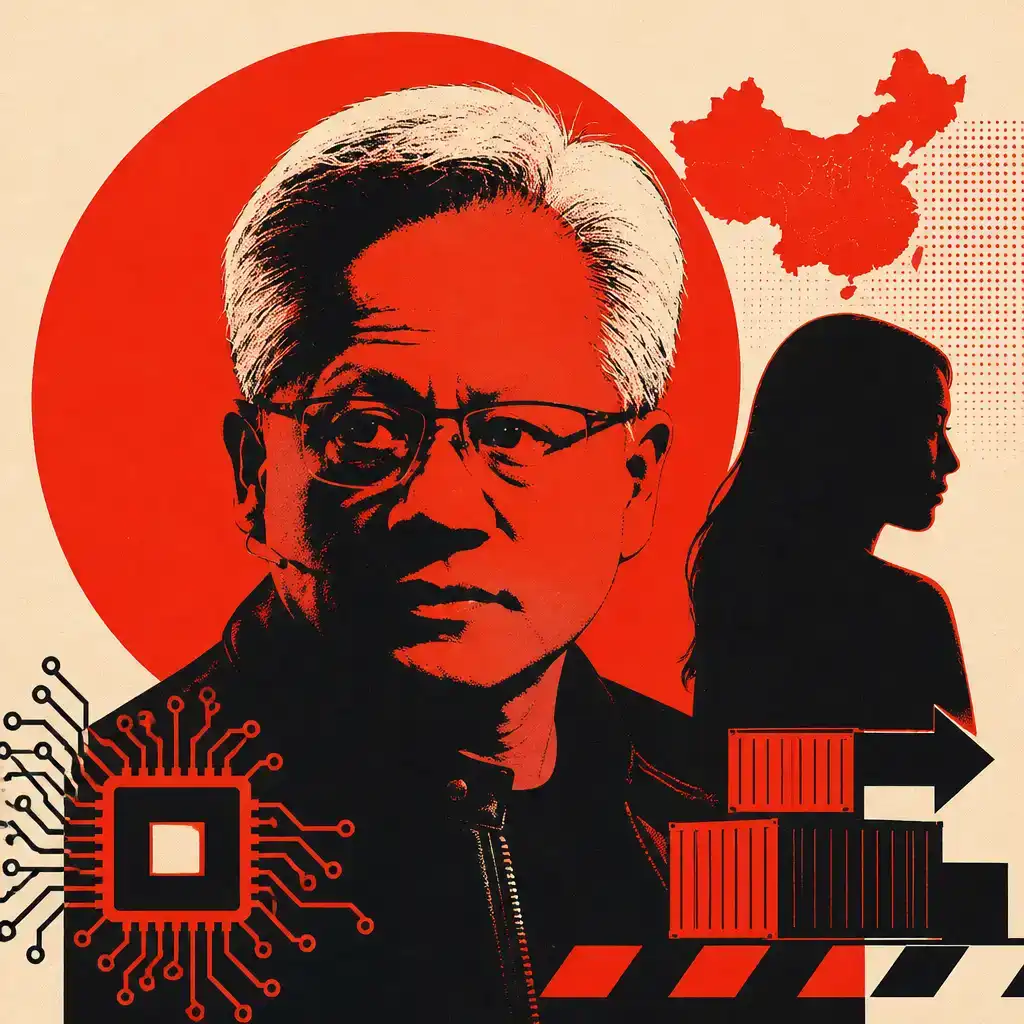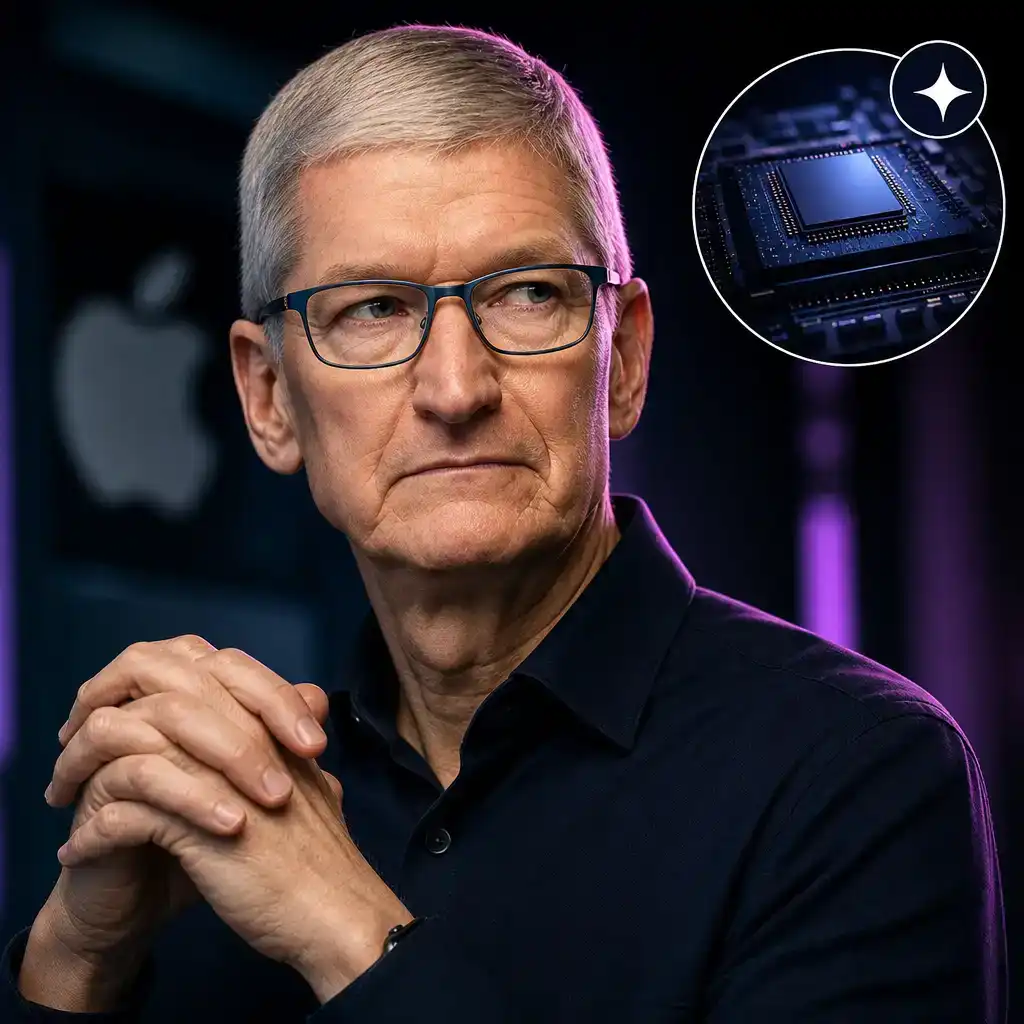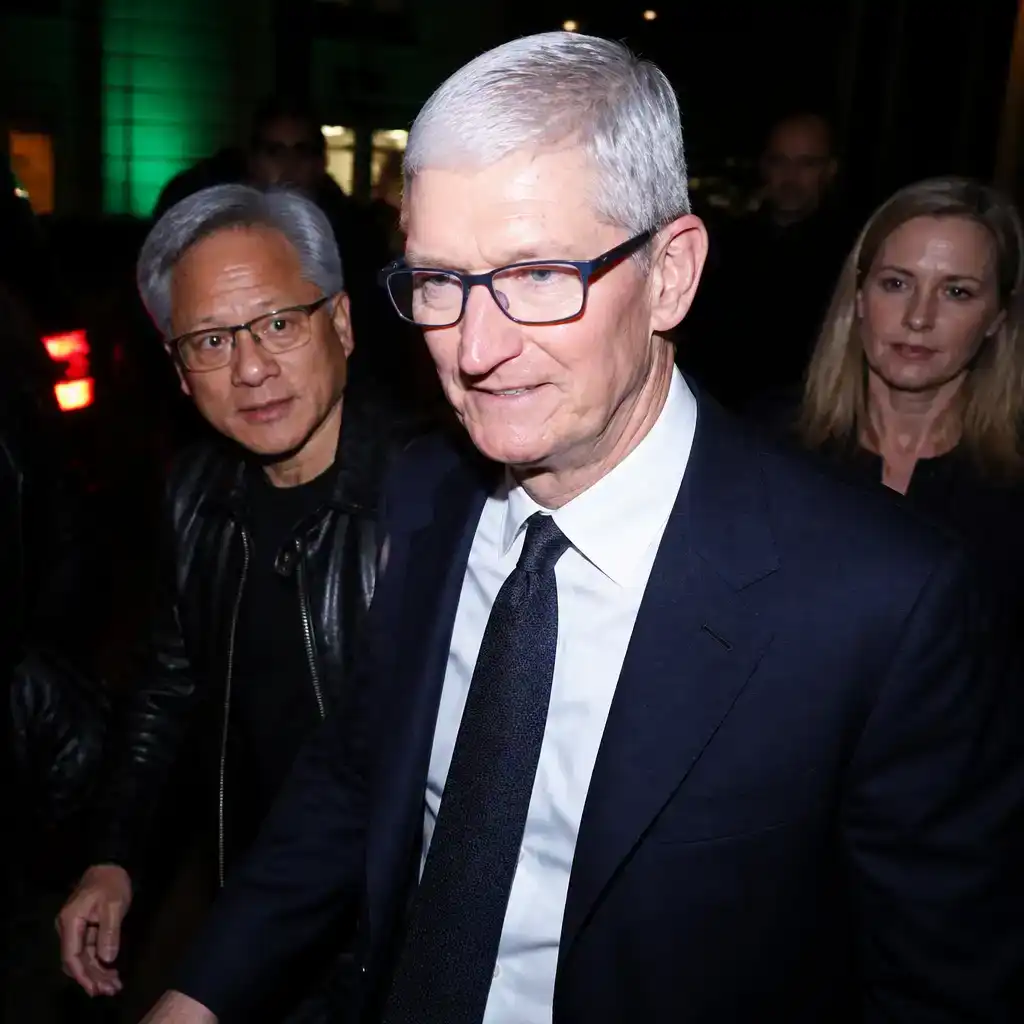
The Nvidia CEO succession has quickly become a contest between Donald Trump’s preferred candidate, the company’s experienced finance chief and more than 1,600 employee comments calling for Jensen Huang to return. Tim Cook, meanwhile, has not publicly indicated that he wants the job. A minor detail, apparently.
Huang resigned after reports about affairs, including one involving a woman alleged to have ties to Chinese intelligence. Nvidia appointed chief financial officer Colette Kress as interim chief executive and said it would consider both internal and external candidates.
The leadership change is unusually consequential. Huang co-founded Nvidia in 1993 and ran it for 33 years without a publicly identified successor. Under his leadership, the chipmaker became the central supplier for the artificial intelligence boom and recently reached a record valuation of $5.78 trillion.
Why does Trump want Tim Cook to run Nvidia?
Shortly after Huang’s resignation was announced, President Donald Trump used Truth Social to nominate Cook, the former Apple chief executive who stepped down on September 1 and became executive chairman.
“NOW THAT Nvidia CEO JENSEN HUANG, who has done a fantastic job, has resigned, there is only one man to take his place - TIM COOK of Apple,” Trump wrote. “A Legend replaces a Legend!”
Trump repeated the recommendation on Stephen A. Smith’s Straight Shooter podcast. He called Huang difficult to replace but described Cook as “a great candidate to run Nvidia.” He also argued that Apple “would never be what it is today” if Steve Jobs were still alive, saying Cook turned Jobs’s ideas and designs into one of the world’s great companies. It was praise for Cook delivered through a fairly aggressive revision of Apple history.
Cook has maintained a close relationship with Trump and last year gave him a 24-karat gold and glass statue. Trump previously boasted that Apple’s leader had called to “kiss my ass” after Cook announced his transition plan. No public response from Cook to the Nvidia suggestion has been reported.
Could Nvidia bring Jensen Huang back?
Some employees would clearly prefer that option. Wired reported that an internal petition supporting Huang’s return attracted more than 1,600 comments. About two dozen workers also defended him publicly.
One employee summarized the argument plainly: “NVIDIA is NVIDIA because of Jensen.” Epic Games chief executive Tim Sweeney called the departure an “Apple firing Steve Jobs level of idiocy.” Other technology executives have also publicly backed Huang.
The campaign does not mean the board will reverse course, but it shows the challenge facing any replacement. Huang was not merely a chief executive hired to manage an established business. His identity, technical judgment and public profile became inseparable from the company he helped create.
Investors initially reacted with similar alarm. Nvidia shares fell about 14 percent before recovering much of the loss and closing Thursday down 4.3 percent at $166.19. The Associated Press reported that the stock stabilized Friday. That still left shareholders processing an abrupt transition at a company whose market value gives every boardroom decision unusually broad consequences.
Who is interim chief executive Colette Kress?
Colette Kress, 59, joined Nvidia in 2013 after holding finance positions at Cisco, Microsoft and Texas Instruments. She remains chief financial officer while serving as interim chief executive.
Reuters reported that Kress had acted as an internal counterweight to Huang and sometimes challenged his expensive bets on artificial intelligence. That history could help reassure investors that she understands both Nvidia’s ambitions and the invoices attached to them.
Kress said she intends to build on “the extraordinary foundation Jensen created.” The board also appointed former Synopsys chief executive Harvey Jones as Nvidia’s first independent chairman. Jones said directors have “full confidence” in Kress and expect the company’s product roadmap and customer commitments to continue without interruption.
Her first major public test arrives quickly. Nvidia is scheduled to report earnings on November 17, giving analysts an early opportunity to examine whether customers, employees or investors have changed their outlook.
Outside speculation is already expanding. Analyst Dan Ives identified Cook, Google Cloud chief executive Tom Kurian and Palo Alto Networks chief executive Nikesh Arora as leading external possibilities. Axios assembled a wider list of 11 potential successors. Nvidia has not publicly endorsed any of them.
What is known about the alleged spy connection?
Trump said he spoke with Huang the day before the resignation and described him as “going through hell.” According to Trump, Huang was most concerned about the effect of his conduct on his wife and family.
Asked whether Huang should have resigned, Trump made his answer depend on whether the woman involved was a spy. “If the woman was a spy, yes,” he said. “If the woman was not a spy, perhaps it would be different.” He also called Huang a “tremendous talent” and predicted that he would recover professionally.
The intelligence claim remains disputed. CNN reported that evidence gathered so far does not establish that Alice Huang worked for Beijing. Multiple intelligence sources told the network that some officials consider the description of her as a Chinese spy overstated.
That distinction matters. Early accounts presented the alleged connection in definitive terms, while later reporting described an unresolved intelligence assessment. An affair and a proven relationship with a foreign intelligence service are not interchangeable facts, however convenient that may be for dramatic headlines.
For now, Nvidia’s board is proceeding with its search, Kress is running the company and employees are pressing for Huang’s return. Trump has supplied a famous alternative, but Cook has supplied no sign that he is interested. The world’s most valuable chipmaker therefore has plenty of candidates in circulation and only one person currently doing the job.