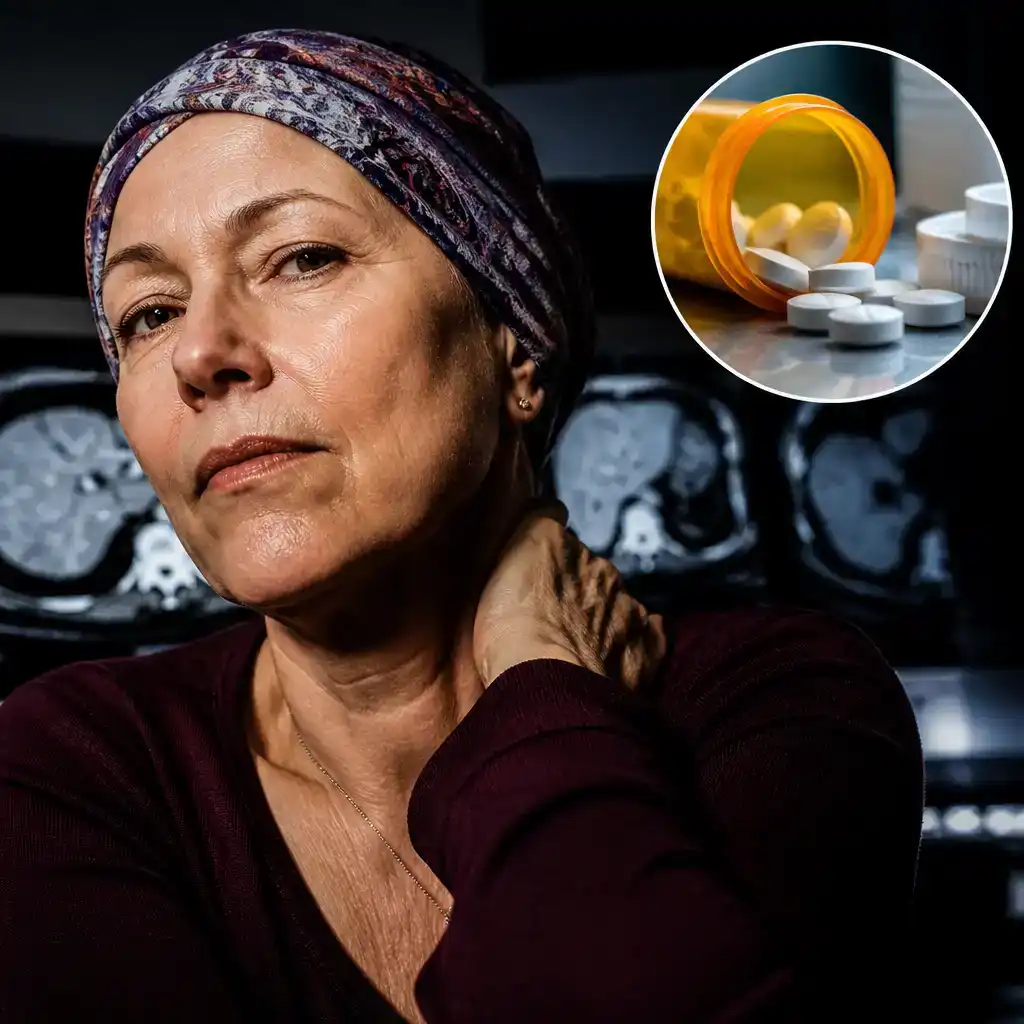
A pancreatic cancer pill has produced striking early trial results, with tumours shrinking or disappearing from scans in more than 60% of patients. Cancer Research UK described the findings as “the biggest leap forward in decades” for a disease that remains exceptionally difficult to treat.
Daraxonrasib targets mutations that help pancreatic tumours grow. Researchers caution that the phase I/II study is still early, and an undetectable tumour does not necessarily mean a patient has been cured. Cancer, rarely impressed by a promising headline, can return after scans appear clear.
What did the pancreatic cancer trial find?
Patients in the study were followed for an average of about 18 months. Some had no return of their cancer during that period, although longer follow-up will be needed to determine whether any entered remission and how durable those responses might be.
The main findings were:
- Tumours stopped growing in 90% of patients.
- Just over 60% saw their tumours shrink or become undetectable.
- Around 8%, equivalent to about one in 12 patients, had no detectable tumour on CT scans.
Dr Wungki Park of Memorial Sloan Kettering Cancer Center, who is involved in the trial, said the results were “extremely encouraging” so far.
“We are beginning to see not only a higher percentage of tumour response rates, but also deeper responses and a near doubling in the duration of disease control, which may eventually translate into longer survival,” he said.
That final point remains crucial. The trial shows strong tumour responses and longer disease control, but it has not yet established how much the treatment extends patients’ lives.
Why is daraxonrasib considered significant?
Daraxonrasib is a KRAS inhibitor approved in the United States. It works by attaching to and switching off certain RAS mutations, which are found in most pancreatic cancers and act as drivers of tumour growth.
These mutations have long been regarded as extremely difficult to target with medicine. Dr Sam Godfrey of Cancer Research UK said the treatment had found a way of “drugging the undruggable”.
“We are finally seeing progress in pancreatic cancer which is so long overdue,” he told BBC News.
Current options for advanced pancreatic cancer remain limited. Chemotherapy can reduce the size of tumours, but the disease frequently begins growing again. Most people with advanced disease survive for months rather than years, so even a treatment that delays progression could offer meaningful additional time.
Researchers also see potential beyond pancreatic cancer. Similar RAS mutations appear in dozens of other tumour types, including lung and ovarian cancers. If the early findings hold up, the same approach could eventually benefit a much wider group of patients.
“I would hope that the early success that we are beginning to see in pancreatic cancer can also be rolled out to other cancers,” Godfrey said.
Could the treatment improve survival?
Professor Elena Garralda, chair of the EORTC–NCI–AACR Symposium 2026, where the research is being presented, said the results suggest the combined treatment could significantly improve overall survival and extend the time before tumours start growing again.
For now, that remains a possibility rather than a settled conclusion. Larger and longer trials must confirm the response rates, track side effects and establish whether patients live longer.
Godfrey also warned against treating clear scans as proof that the cancer has gone permanently.
“Cancer can come back and even if scans show there is no sign of it, you don't necessarily know you are cancer-free until more time has passed,” he said.
The distinction matters particularly in pancreatic cancer, which has the lowest survival rate among common cancers in the United Kingdom. The disease is often diagnosed late, partly because early symptoms can be vague or mistaken for less serious conditions.
How many people are affected by pancreatic cancer?
Pancreatic cancer accounts for around 3% of all cancer diagnoses in the United States but approximately 8% of cancer deaths. It kills about 53,000 people there each year.
In Britain, Cancer Research UK records roughly 11,500 new diagnoses and 10,200 deaths annually. Actor Alan Rickman died from the disease in 2016, five months after being diagnosed.
Possible symptoms include:
- Jaundice, including yellowing of the skin or eyes
- Itchy skin
- Darker urine
- Paler stools
- Unexplained weight loss
- Persistent tiredness
- A high temperature
Those symptoms can have many causes, but persistent or unexplained changes should be assessed by a doctor. Meanwhile, daraxonrasib offers something pancreatic cancer research has supplied too rarely: credible early evidence of substantial tumour control, accompanied by the necessary warning that early evidence is still early.