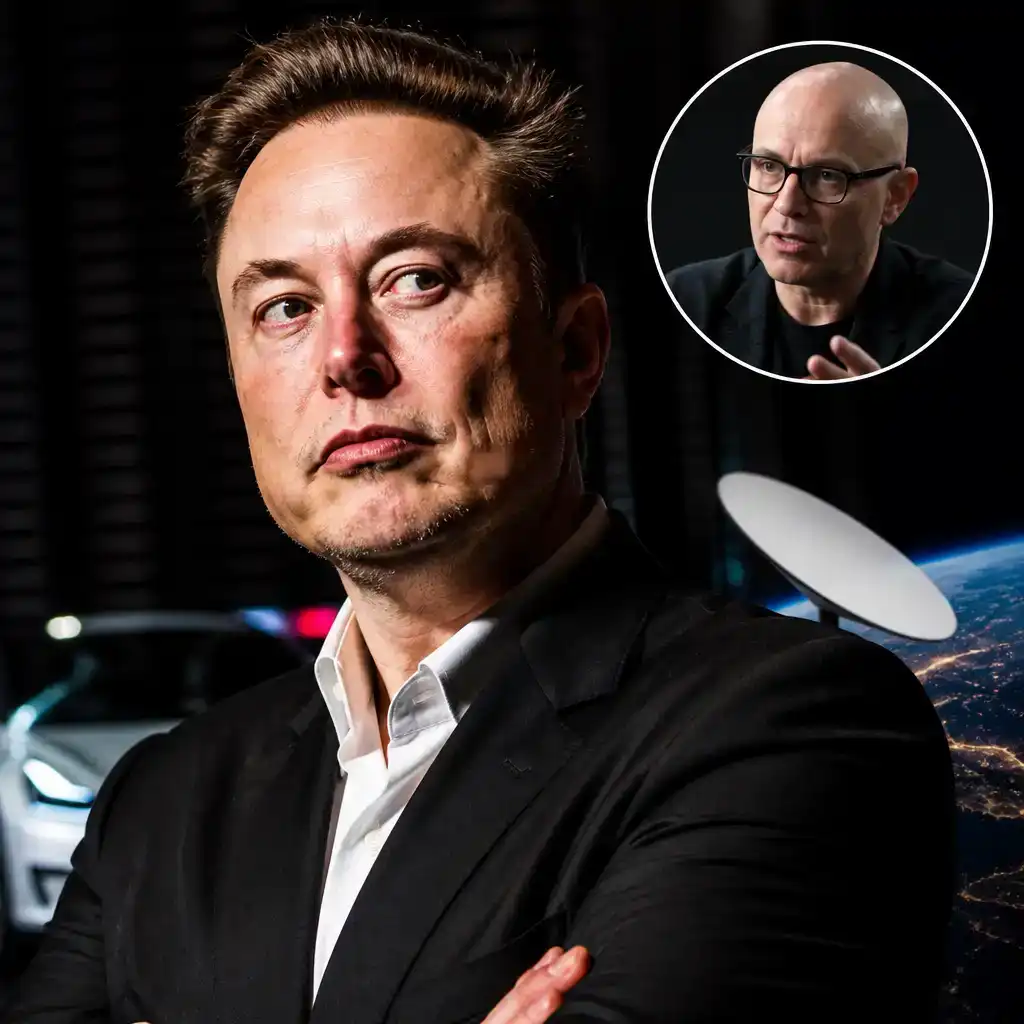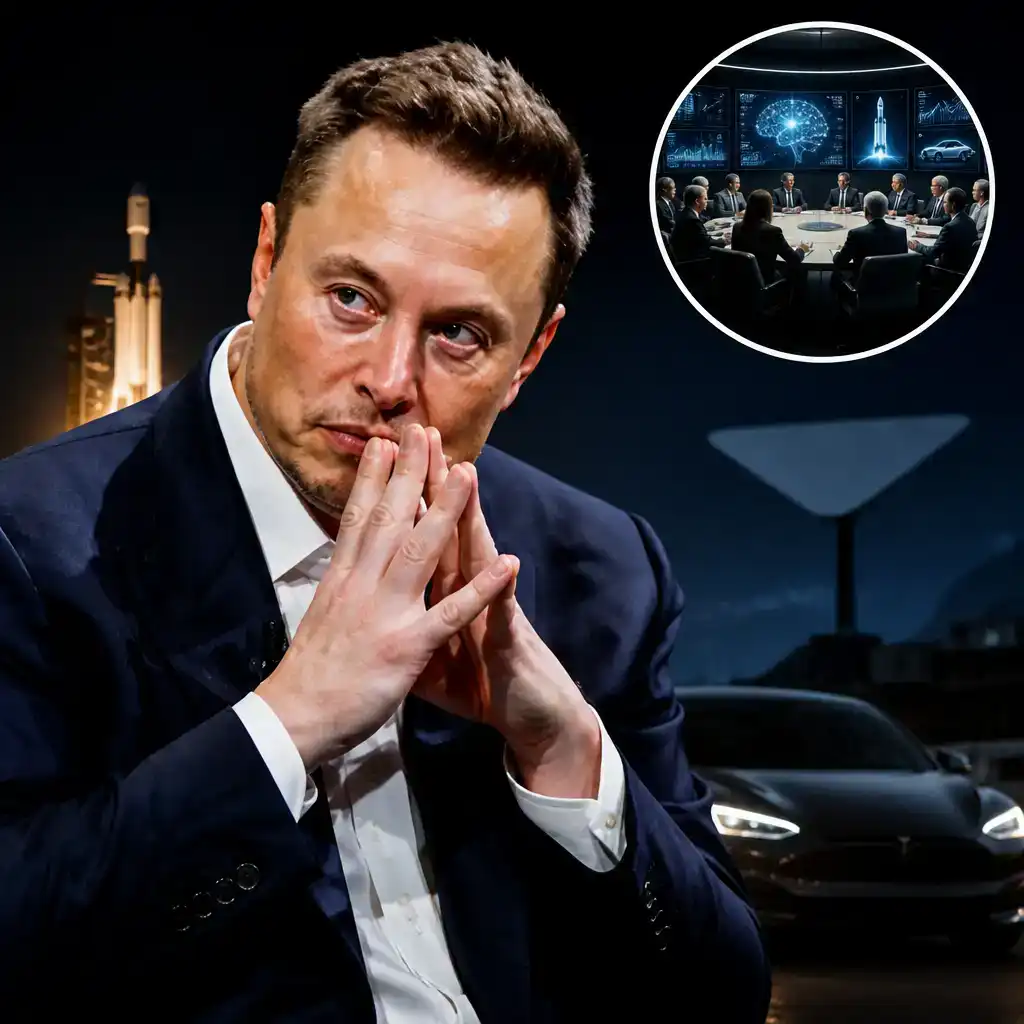
A SpaceX-Tesla merger is now being formally examined, but Elon Musk is trying to keep expectations attached to Earth. Asked on Tuesday whether combining the companies would be a good idea, he answered “Yes,” while warning that treating the deal as certain “would be overstating it.”
Independent special committees have been established by both companies’ boards at shareholders’ request, according to reports from AP, Axios and TechCrunch. No transaction terms have been agreed, Musk did not identify the committee members, and no later regulatory filing or decision had emerged by October 21.
A public expression of enthusiasm is not a term sheet, inconvenient though that may be for anyone already designing the combined company’s logo.
Why would SpaceX and Tesla combine?
Musk argues that the businesses increasingly overlap in artificial intelligence, robotics, chips and infrastructure. Tesla brings electric vehicles, autonomous-driving technology and its Optimus humanoid robots. SpaceX contributes rockets, satellites, Starlink telecommunications and expanding data-centre operations.
Potential cooperation could include:
- AI software and computing infrastructure
- Tesla’s robotics and self-driving systems
- SpaceX’s Starmind orbital data-centre project
- Terafab, a joint chip-manufacturing initiative
- Starlink connectivity for vehicles and other products
Last week’s unveiling of a Tesla Roadster using SpaceX rocket thrusters offered a particularly theatrical example of that crossover. David Nicholson, chief technology adviser at The Futurum Group, described the car as a “symbolic embodiment” of the companies coming together and predicted a merger was ultimately inevitable.
Musk has been more restrained about the timing. He said there was “a lot to be gained,” but stressed that shareholders would need to approve any transaction.
SpaceX now brings substantial profits to the table
The financial case looks different from the old idea of a profitable car company supporting an expensive rocket venture. AP reported that SpaceX generated $14.6 billion in third-quarter revenue, a 161% increase, and recorded $4.4 billion in profit after posting a loss a year earlier.
AI operations surpassed SpaceX’s other divisions by revenue, while Starlink remained its largest source of profit. Analyst Dan Ives told AP that the company “beat across all metrics” and said Starlink appeared to be accelerating.
SpaceX also became a broader technology group before this merger discussion began. On February 2, 2026, it acquired xAI through a share exchange. X, formerly Twitter, was already owned by xAI. SpaceX then went public in June, closing its first trading day with a valuation of roughly $2.1 trillion.
Tesla is valued at about $1.5 trillion. Using those headline figures, a combination could create a company worth around $3.5 trillion, potentially making it the largest corporate merger on record. Actual merger valuations are rarely as tidy as adding two numbers, especially when one executive sits at the centre of both sides.
Shareholder approval is the real obstacle
Musk controls more than 50% of SpaceX’s voting power, according to TechCrunch. Tesla is considerably less straightforward. Approval would require support representing half of all outstanding Tesla shares, not simply half of the votes cast.
Musk called that requirement “quite a high hurdle.” As chief executive and a major shareholder of both companies, he cannot participate in the special committees’ deliberations.
Those committees will need to establish:
- How each company should be valued
- What ownership stake each shareholder group would receive
- Which advisers and valuation methods are independent
- How Musk’s overlapping financial interests should be handled
- Whether Tesla investors are being fairly compensated for taking on new risks
Investment analyst Dan Sheehan of Telos Wealth Advisors expects shareholders eventually to support a deal because the companies’ technologies complement each other. He also warned that Tesla investors would own a “smaller slice of a much larger and more complex business.”
That complexity includes SpaceX’s capital-intensive rocket and AI projects, along with the businesses and liabilities inherited through xAI and X. Tesla investors would gain exposure to Starlink and space infrastructure, but they would also inherit costs and risks far removed from selling electric cars.
What would change for Tesla customers?
Analysts do not expect immediate, dramatic changes for drivers. Tesla has already shifted attention towards its best-selling Model Y and Model 3 while using part of its California manufacturing capacity to produce Optimus robots.
Combining Tesla’s autonomous-driving systems with SpaceX’s satellite network and AI infrastructure could eventually produce more connected or capable vehicles. The Roadster demonstration also suggests that SpaceX technology may appear in future Tesla products.
The larger question is how much attention cars would receive inside a group increasingly focused on AI, chips, robotics and orbital infrastructure. That matters as Tesla faces stronger competition from Chinese manufacturers, including BYD, which overtook it as the world’s largest electric-vehicle maker in January.
For Musk, one company could simplify control of those projects and bring his businesses closer to his long-term goal of establishing a self-sustaining city on Mars. For shareholders, the calculation is less cosmic: they must decide whether the technical overlap justifies the valuation, governance concerns and transfer of financial risk.
Tesla was scheduled to report quarterly results later on October 21, providing the next likely opportunity for Musk to face questions. Until the committees disclose members, advisers or proposed terms, the combination remains a possibility rather than a deal.