The 2026 US midterm elections delivered a series of historic victories on November 3, with candidates breaking barriers in races for the Senate, state governorships and local representation.
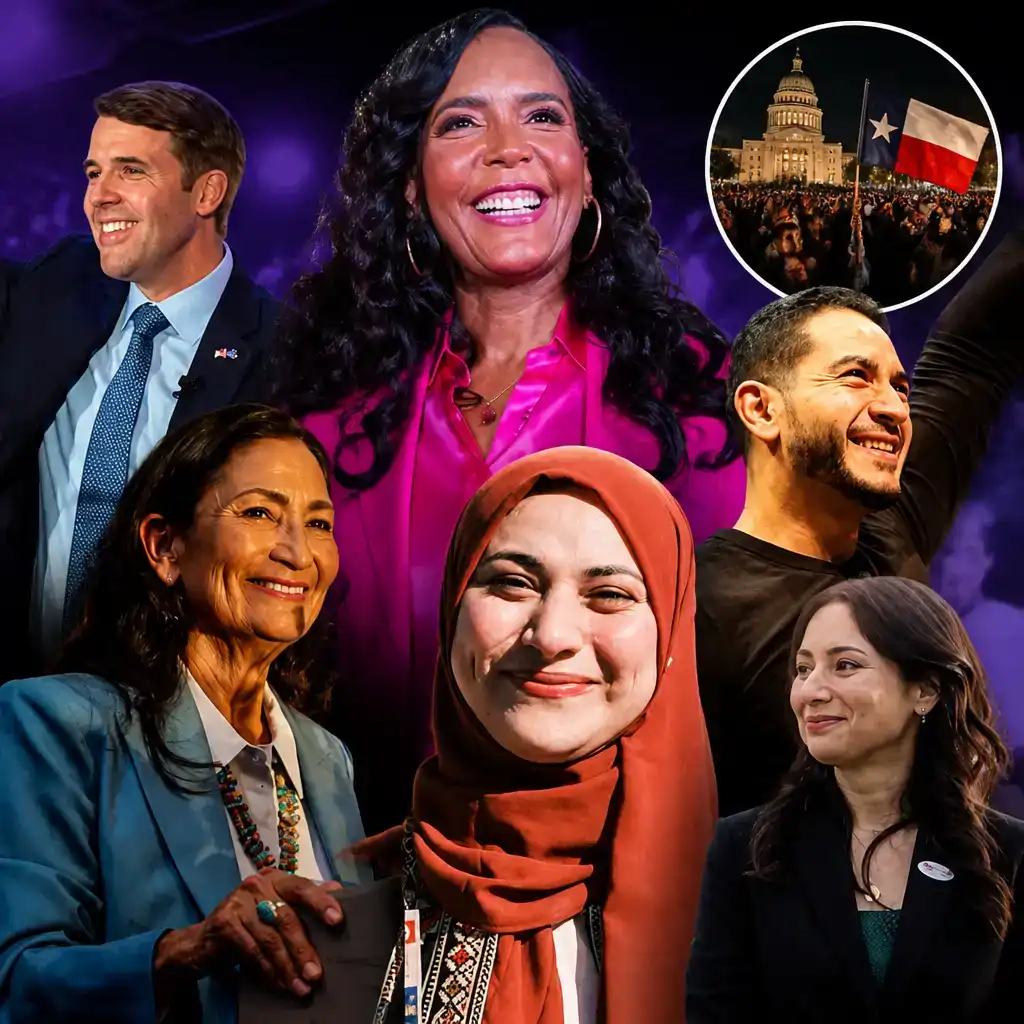
Six winners highlighted in a widely shared social media post have attracted particular attention: Chris Pappas, Keisha Lance Bottoms, Abdul El-Sayed, Deb Haaland, Gina Hinojosa and Aber Kawas.
All six victories are supported by election results or credible race projections. But they represent different kinds of milestones. Some are unprecedented nationally, others are firsts within individual states, and one concerns a state legislature rather than the US Congress.
Two historic victories in the US Senate
In Michigan, Democrat Abdul El-Sayed defeated Republican Mike Rogers to become the first Muslim elected to the United States Senate. The result was projected early Wednesday morning, following a closely contested race for the seat being vacated by retiring Democratic Senator Gary Peters.
El-Sayed, a former public health official, campaigned on healthcare, economic inequality and reducing corporate influence in politics. His election establishes a new milestone for Muslim American representation in the federal legislature.
New Hampshire delivered another historic result when Democratic Representative Chris Pappas defeated former Republican Senator John Sununu.
Pappas will become the first openly gay man elected to the US Senate. The distinction is important: he is not the first openly LGBTQ senator. That milestone belongs to Wisconsin Democrat Tammy Baldwin, who was elected in 2012.
Both Pappas and El-Sayed will serve in the federal Senate, where lawmakers vote on national legislation, presidential appointments and other matters affecting the entire country.
Georgia, New Mexico and Texas elect groundbreaking governors
Three gubernatorial victories produced another set of milestones, although each carries a different historical significance.
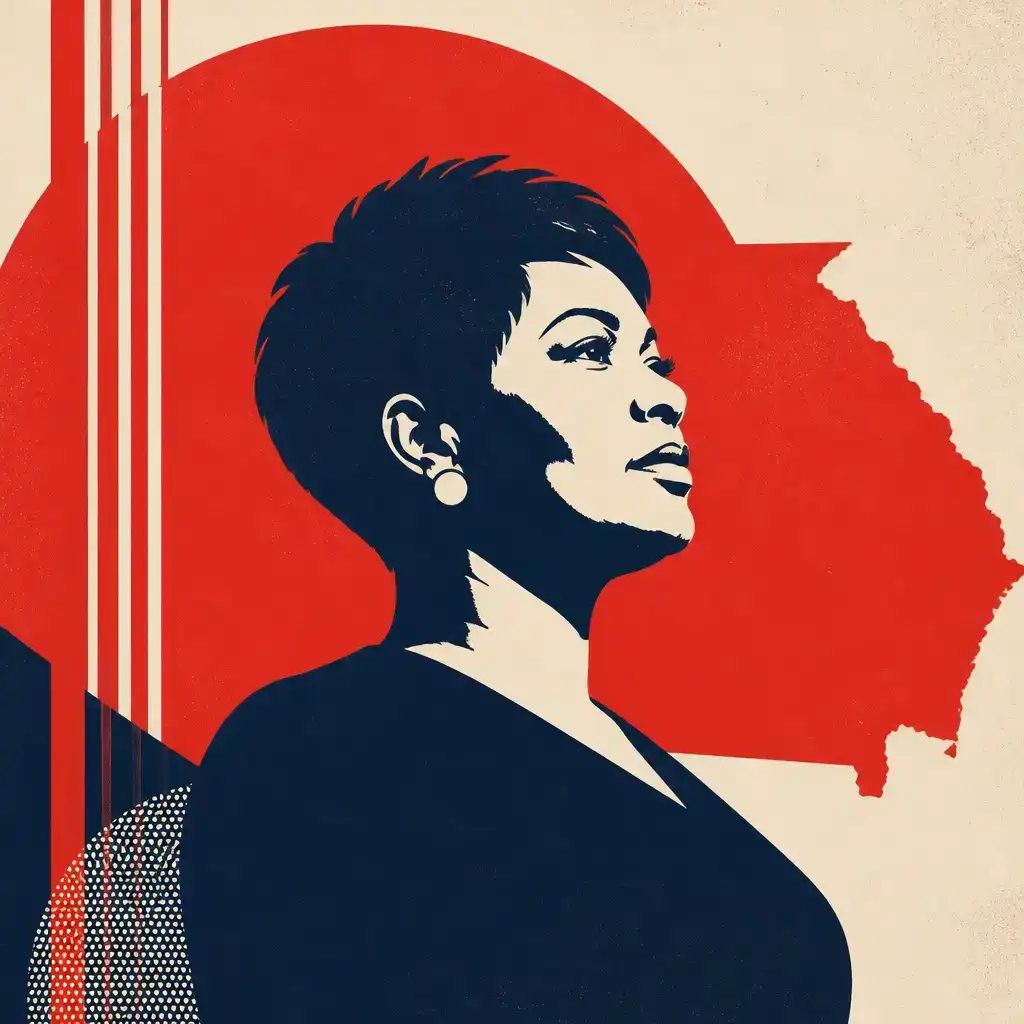
Former Atlanta Mayor Keisha Lance Bottoms defeated Republican businessman Rick Jackson in Georgia, becoming the first Black woman elected governor of a US state.
According to CBS News, Bottoms will also become Georgia's first female governor and first Black governor. Her election ends more than two decades of Republican control of the state's highest office.
In New Mexico, Democrat Deb Haaland defeated Republican Gregg Hull to become the first Native American woman elected governor anywhere in the United States.
A member of the Laguna Pueblo, Haaland has already made history in Washington. She was among the first Native American women elected to Congress in 2018 and became the first Native American Cabinet secretary when she led the Department of the Interior under President Joe Biden.
Her latest victory, confirmed by New Mexico's election results, marks another historic step in her political career.
Texas, meanwhile, delivered one of the election's most significant upsets. Democrat Gina Hinojosa defeated three-term Republican Governor Greg Abbott, becoming the first Latina elected governor of Texas.
Hinojosa's victory also returns the governorship to Democratic control for the first time since Ann Richards won the office in 1990. The result was confirmed by CBS News and is reflected in the Texas Secretary of State's election returns.
Unlike the two newly elected federal senators, Bottoms, Haaland and Hinojosa will lead their respective state governments, overseeing executive decisions, state budgets and policy priorities.
Aber Kawas wins a New York State Senate seat
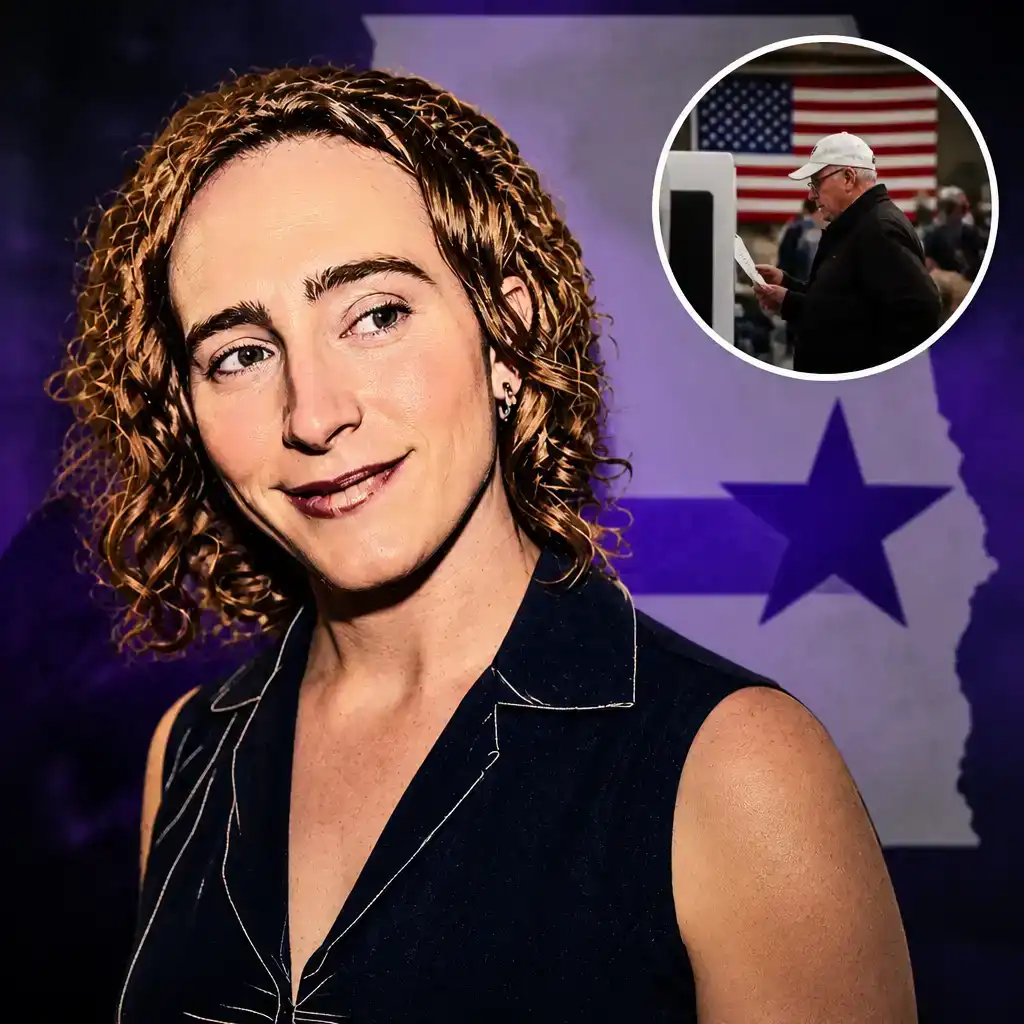
Another notable victory came in Queens, New York, where Palestinian-American community organizer Aber Kawas won election to the New York State Senate.
Kawas defeated Republican Han-Khon To in Senate District 12. The New York State Board of Elections' unofficial results show her comfortably ahead, with all 150 election districts reporting.
Her election adds a Palestinian-American voice to the state legislature after a grassroots campaign focused on housing, immigrant rights and community representation.
There is an important distinction between her victory and those of Pappas and El-Sayed. Kawas has been elected to the New York State Senate, which passes legislation affecting New York. She has not been elected to the United States Senate in Washington.
What makes the 2026 election results historic?
The six victories illustrate several different changes in American political representation.
Bottoms and Haaland have broken national barriers in gubernatorial politics. El-Sayed and Pappas have established firsts in the US Senate. Hinojosa has achieved a historic first for Texas, while Kawas has secured representation in New York's state legislature.
The broader election also delivered historic results beyond these six candidates. The Associated Press documented additional milestones, including Peggy Flanagan becoming the first Native American woman elected to the US Senate.
For readers following the historic firsts circulating online, the distinction is straightforward: these victories are genuine, but the offices, responsibilities and historical records behind them are not interchangeable.
Each winner now faces a different political challenge: translating an electoral breakthrough into decisions that affect the people who elected them.