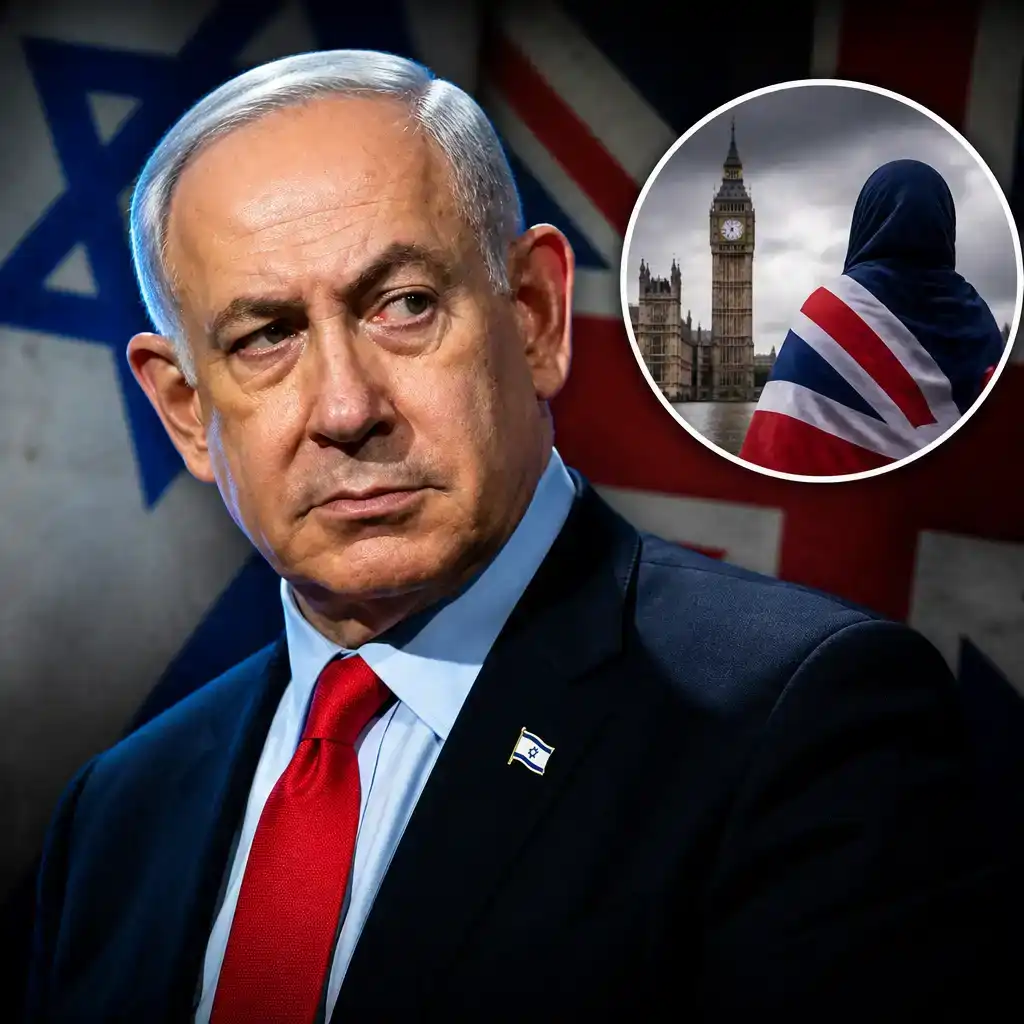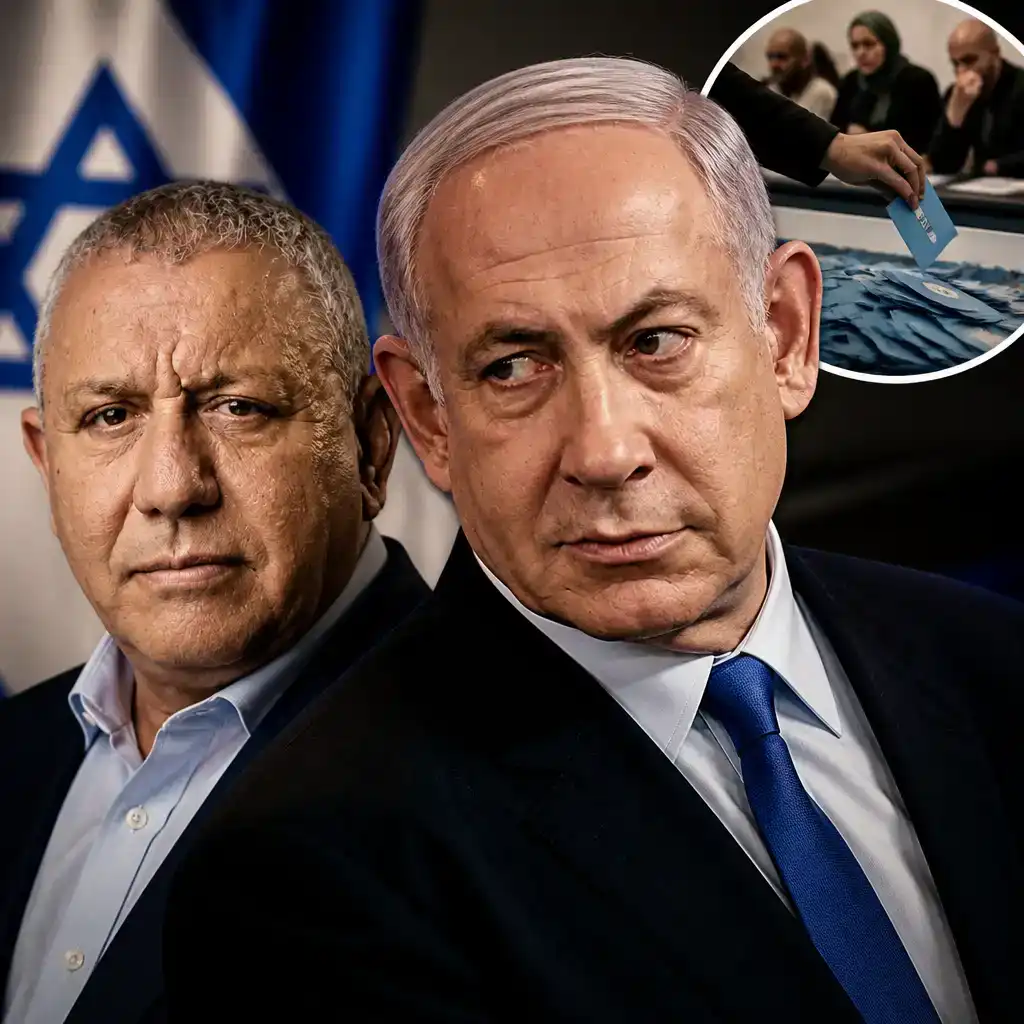
Israel’s next coalition government remains unresolved after the October 27 election, despite Benjamin Netanyahu’s Likud emerging as the largest party. The count has moved on from election-night exit polls, but the basic problem has not: neither Netanyahu nor opposition leader Gadi Eisenkot has a clear path to power.
With 66 percent of ballots counted, The Associated Press reported that Likud had 21 percent of the vote, while Eisenkot’s Yashar party stood at 16.1 percent. The Central Elections Committee had not yet converted those totals into definitive seat numbers.
A Jerusalem Post projection based on more than four million counted ballots gave Netanyahu’s bloc 54 seats, Eisenkot’s alliance 47 and the Arab parties 19. That still leaves everyone short of the 61 seats normally required to control the 120-member Knesset. Arithmetic has once again proved to be the easy part.
Could late ballots change the result?
Hundreds of thousands of absentee ballots, including votes from military personnel, remain to be counted. Their impact matters because military turnout reached 79.9 percent, according to The Associated Press, and even a small shift could alter negotiations between closely matched blocs.
Overall turnout reached 77.7 percent, the highest level since 1999 and 7.1 percentage points above the 2022 election. The final official results are due on November 4.
Earlier figures from the Central Elections Committee had placed Likud on 27 seats. Four election-night exit polls also showed a narrow contest:
- Kan 11 and Channel 13 gave Netanyahu and Eisenkot 51 seats each.
- Channel 12 put Netanyahu’s bloc on 52 and Eisenkot’s on 49.
- Channel 15 projected 55 seats for Netanyahu and 49 for Eisenkot.
The changing estimates do not necessarily contradict one another. Exit polls, partial vote totals and media seat models measure different stages of the count. None yet gives either side a governing majority.
Why do the Arab parties hold so much influence?
Ra’am and the Joint List are projected to win a combined 18 or 19 seats, potentially a historic result. Arab citizens make up about 20 percent of Israel’s population, but Arab-led parties have generally remained outside governing coalitions.
Netanyahu has rejected any government that depends on what he called “anti-Zionist Arab parties”. After the vote, he called for a “strong, right-wing, nationalist government”.
Eisenkot’s position is more conditional than some early accounts suggested. The Associated Press reported that he has left open the possibility of working with Arab parties if they recognise Israel as a Jewish state and classify Hamas as an extremist organisation. Several prospective partners in his bloc remain opposed to such an arrangement.
Ra’am leader Mansour Abbas responded to the parties’ stronger showing by declaring: “We are here, we are not on the sidelines.” Democrats leader Yair Golan also urged an end to what he called “Netanyahu’s racist division between Jewish votes and Arab votes.”
A minority government offers another possibility. A cabinet does not necessarily need 61 lawmakers to vote affirmatively for it if outside parties provide support or abstain. It would, however, need continuing cooperation to pass legislation and survive confidence votes, which is less a solution than a permanent negotiation.
Which parties make up the two blocs?
Netanyahu’s alliance includes:
- Likud
- Shas
- United Torah Judaism
- Bezalel Smotrich’s Religious Zionism
- Itamar Ben-Gvir’s Otzma Yehudit
Eisenkot’s opposition camp includes:
- Yashar
- The Together list associated with former prime ministers Naftali Bennett and Yair Lapid
- Avigdor Liberman’s Yisrael Beytenu
- Yair Golan’s Democrats
Eisenkot has continued to rule out serving under Netanyahu, including in a rotation government, according to The Jerusalem Post. He said voters had chosen change and promised “a new era, an era of hope.” That position makes a broad unity deal harder, even if the final numbers make one look convenient on a spreadsheet.
What happens after the count?
Once the results are certified, Israel’s president will ask the member of the Knesset considered most likely to assemble a government to try forming one. That politician receives 28 days, with a possible extension of up to 14 days.
If the first candidate fails, another lawmaker may receive the mandate. Should no one secure enough support, Israel could face another election. The country held repeated elections between 2019 and 2022 after similarly stubborn coalition deadlocks.
Netanyahu remains caretaker prime minister while negotiations continue. Israel’s longest-serving leader has spent 19 years in office across three separate periods and is currently standing trial on corruption charges, which he denies.
Axios described another stalemate as the likeliest outcome, while The Associated Press said negotiations could last for weeks or end with yet another vote. The final ballots may adjust the seat totals, but the harder question is whether parties that disagree on basic questions of government are prepared to keep one another in power.