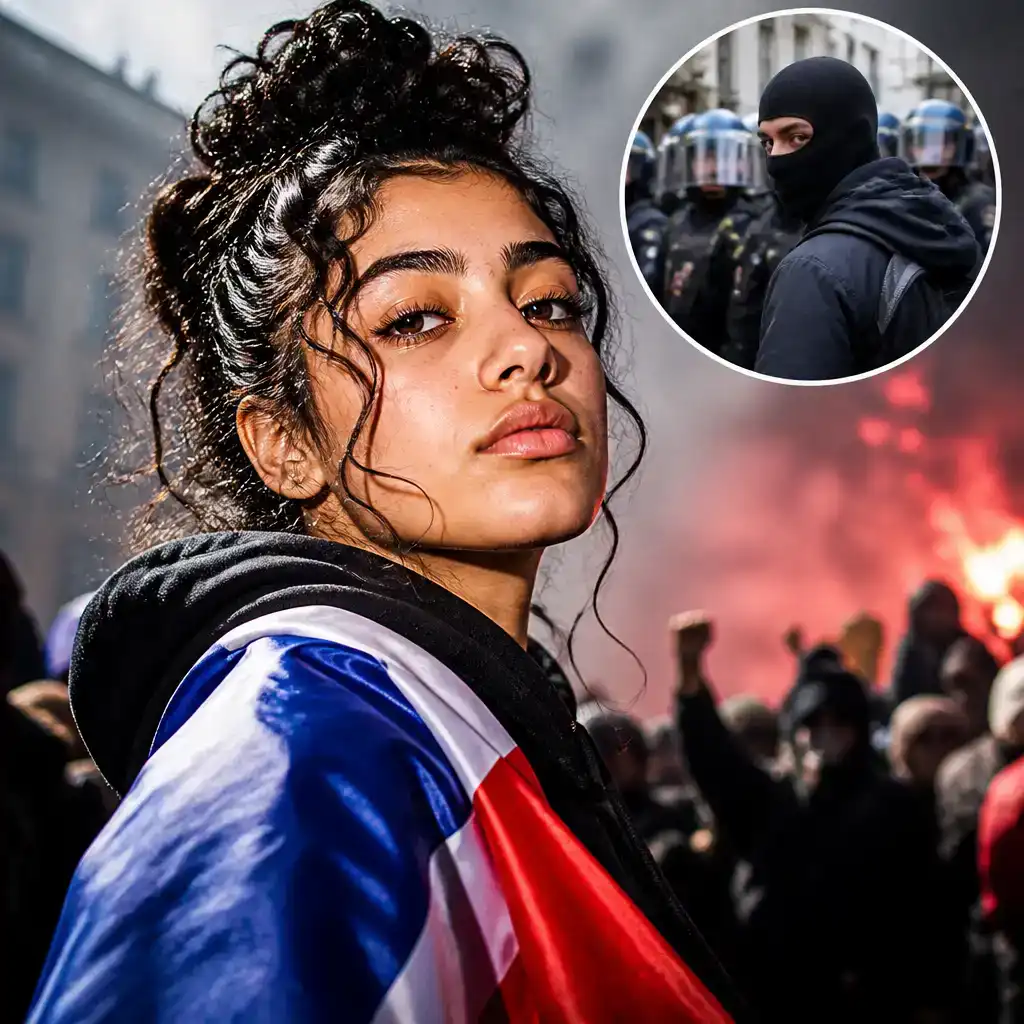
“Bismillah, c’est les ténèbres” has become an unlikely slogan for France’s student-led protests, appearing on placards and across social media as demonstrations over education, living costs and inequality spread nationwide. Its literal meaning is unclear by design. Its political meaning is considerably less mysterious.
Students use the phrase to mock what they describe as a clumsy attempt to imitate young French people of Arab and African heritage. That allegation involves supposed undercover police accounts, although nobody has independently established who operated them. The screenshots are real enough as the source of the meme. The police infiltration story remains unproven.
What does the slogan mean?
“Bismillah” is Arabic for “in the name of God”, commonly said by Muslims before beginning an activity. In French youth slang, it can also function more loosely as an encouragement to get started.
“C’est les ténèbres” translates literally as “it is the darkness”, suggesting that a situation is grim or hopeless. Put together, the slogan roughly means: “In the name of God, it is the darkness.” Not exactly a detailed policy platform, but that is rather the point.
Its awkwardness helped it spread. The phrase sounds like someone assembling Arabic expressions and French slang from stereotypes rather than ordinary conversation.
Where did the phrase come from?
Screenshots from a Snapchat conversation began circulating in early October. A user named Mamadou reportedly asked to join a protest group and wrote a message combining “Bismillah”, references to a blockade, the Arabic expression “wallah”, “bro” and Algerian flag emojis.
Students claimed the account belonged to police officers trying to enter private chats used to coordinate demonstrations. Franceinfo, Le Parisien, Le Monde and Euronews all traced the slogan’s rise to those screenshots, but neither the police nor the Interior Ministry publicly confirmed the allegation.
No independent party has identified the person behind the account. Matthieu Valet, a former police officer and National Rally member of the European Parliament, called the infiltration claim “fake news”. The evidence therefore supports a narrower conclusion: protesters saw the screenshots, interpreted them as an inept police disguise and turned the language into a joke at the authorities’ expense.
Youssef El Chazli, an associate professor of Arab and Mediterranean sociology at Paris 8 University Vincennes-Saint-Denis, said the phrase reinforced an image of police officers who were out of touch and reliant on stereotypes. He added that those stereotypes disproportionately target young people of Arab and African descent.
Why did it resonate with protesters?
The slogan arrived during a movement driven by several overlapping complaints, including overcrowded classrooms, teacher shortages, rising prices, limited opportunities and wider economic inequality. Police conduct has also faced scrutiny, with France’s police watchdog, the IGPN, opening dozens of investigations into alleged violence during the unrest.
On October 17, the Interior Ministry counted 550,000 participants across 110 marches. Organisers put the figure at 800,000. About 400 people were arrested, according to the Associated Press.
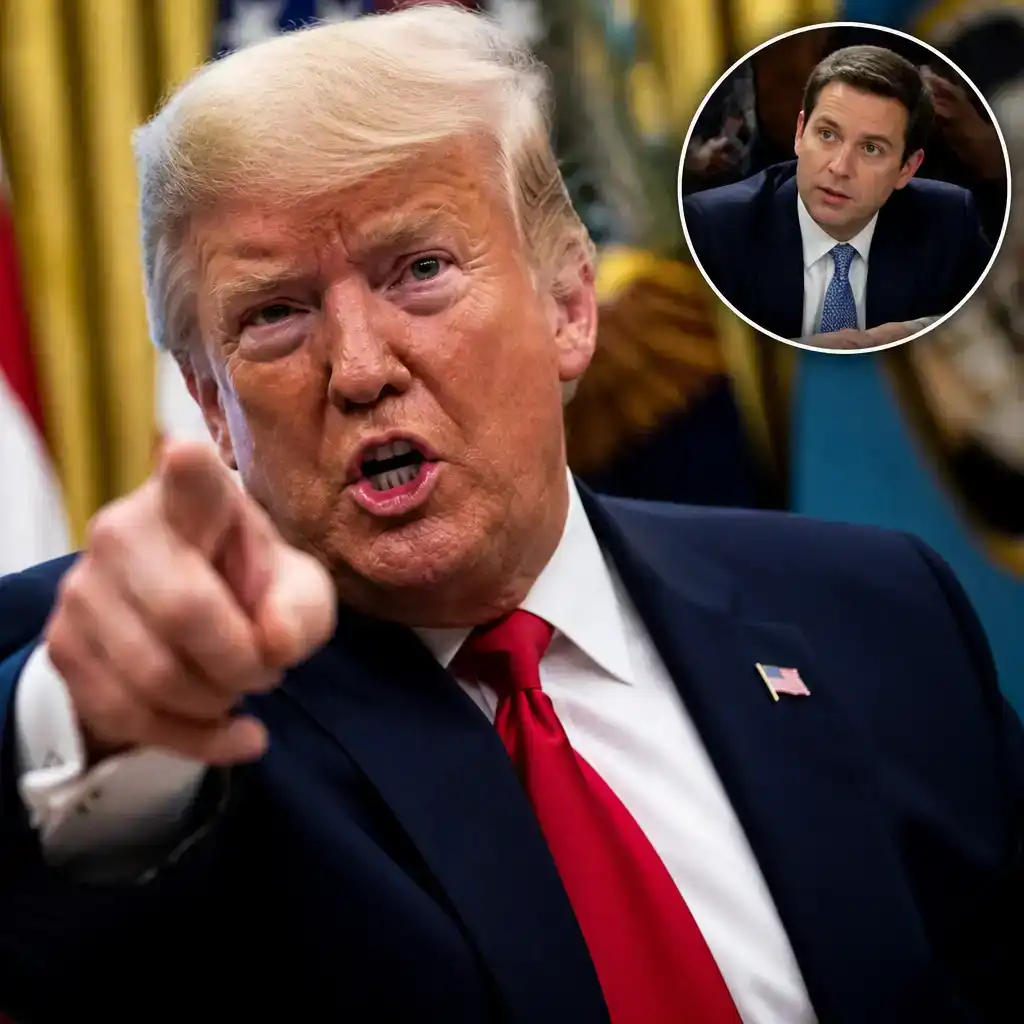
The turnout appears to have surprised the state. Intelligence services had reportedly expected only 60,000 to 110,000 demonstrators outside Paris, while 60,000 police officers were deployed nationwide. Interior Minister Laurent Nuñez later conceded: “We obviously need to be better at anticipating protests.” Few official statements translate as neatly to “we got the numbers wrong”.
Protester Sonia Mabrouk told the Associated Press that government policies “favor the rich and always hit the poorest people in their wallets”. France’s public debt stands at about 119 percent of gross domestic product, leaving the government limited room to answer demands through major spending increases or tax cuts.
How did the slogan enter a wider political fight?
The phrase spread beyond France, appearing around demonstrations in Italy and Belgium over education and living costs. It also became entangled in an international argument about Islam, migration and misinformation.
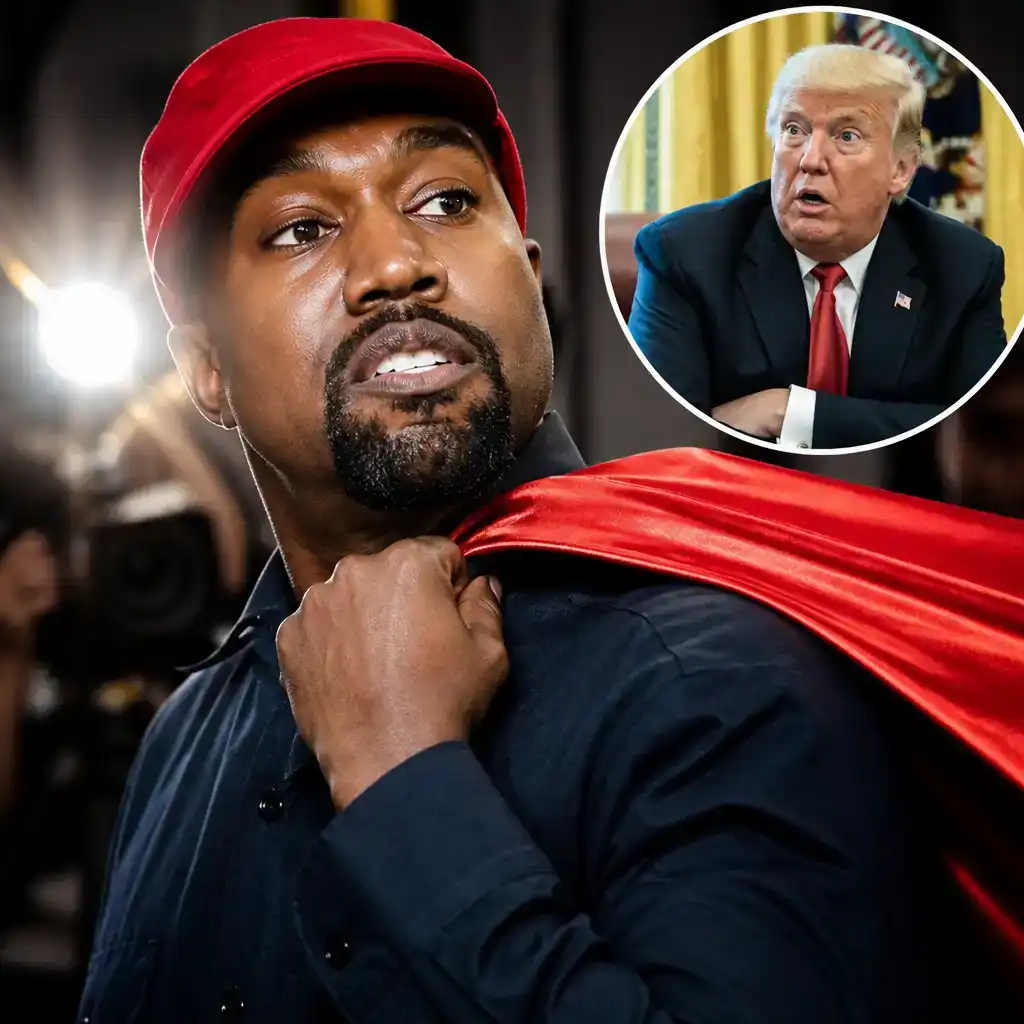
Donald Trump claimed the French unrest showed “Islam wanting to take over”. French President Emmanuel Macron rejected that account, calling foreign commentary “unacceptable” and “stupid”. He said claims that France was being invaded by “hordes of migrants and Islamists” were “completely false” and pointed to false or AI-generated images used to promote that narrative.
The dispute landed in an already heated debate. A report cited by Reuters recorded a 72 percent rise in Islamophobic incidents in France during the first quarter of 2025 compared with the same period in 2024. Far-right figures also blamed Muslim youths for protest violence, extending an unverified Snapchat theory into a much larger political argument with impressive speed and limited supporting material.
El Chazli said Arab and African influences have become increasingly mainstream in French youth culture through sport, music, radio and social media. In that setting, protesters are not simply repeating the phrase. They are using it to ridicule outsiders who treat those influences as interchangeable props.
Further nationwide demonstrations were called for October 24 by student and Yellow Vest groups. Prime Minister Sébastien Lecornu promised a “massive” police deployment, while targeted curfews remained in place in Paris and Lyon. Expedited trials also began for people arrested during the October 17 looting, according to Le Monde.