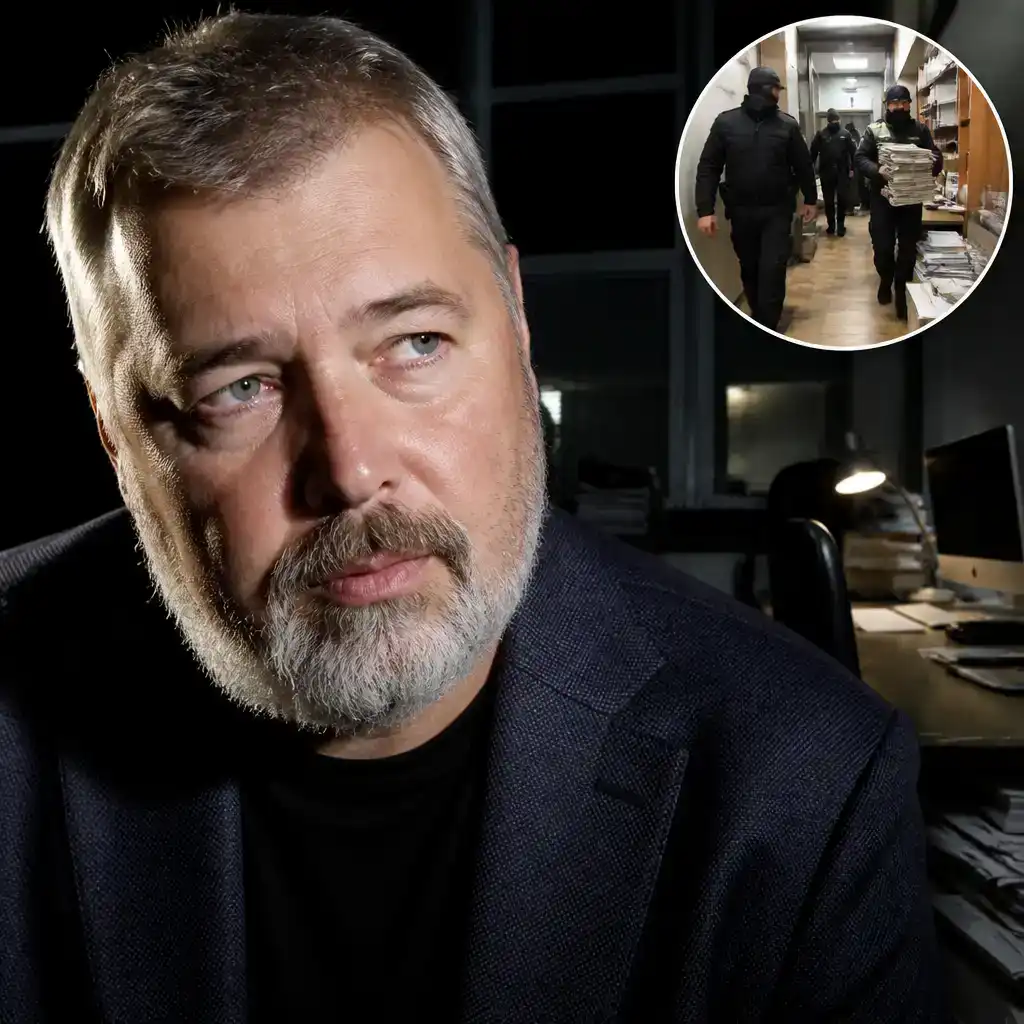
The Novaya Gazeta closure will bring more than three decades of reporting from Moscow to an end after Russian authorities stripped the newspaper of its licences, blocked its website and intensified pressure on its staff. The publication announced on October 30, 2026, that it would leave its office and formally switch off its servers on November 9.
The newsroom described its demise as a “coordinated act” carried out by Russia’s “repressive state apparatus”. No official Kremlin response to that accusation had been reported.
“Human rights and freedoms have been eliminated in the country and their protection has been equated to a crime,” the newspaper said. “The courts have been destroyed along with the law. Having personal convictions is now state treason.”
Why did Novaya Gazeta decide to close?
The immediate pressure involved both the newspaper’s premises and criminal proceedings against its journalists. Radio Free Europe/Radio Liberty reported that authorities began evicting staff from the Moscow office on October 29.
According to Novaya Gazeta Europe, a legally separate publication founded in Latvia by former staff, management learned about the eviction on October 19. It decided on October 26 to close rather than risk the organisation being declared “extremist”, a designation that could expose employees to arrest.
Police had already searched the editorial office earlier in 2026. Veteran investigative journalist Oleg Roldugin was arrested and accused of unlawfully accessing computerised information. He pleaded not guilty and was placed under house arrest until November 10, according to reporting cited by The Guardian.
Editor-in-chief Sergei Sokolov was later questioned by police, while officers searched his home. Sokolov said the authorities and security services had forced the publication to stop operating.
Dmitry Muratov, the newspaper’s former editor-in-chief and one of its founders, put it more bluntly: “We didn’t die, they killed us, along with the Constitution.”
How wartime censorship dismantled the newspaper
Novaya Gazeta was founded in 1993 with financial support from Mikhail Gorbachev’s Nobel Peace Prize winnings. It became known for investigations into corruption, abuses by security forces and the wars in Chechnya, subjects not generally encouraged by governments that prefer journalism to behave like public relations.
Pressure increased sharply after Russia launched its full-scale invasion of Ukraine in February 2022. New laws imposed severe penalties for reporting that contradicted the Kremlin’s account of the war, officially described as a “special military operation”.
The newspaper suspended regular operations in March 2022. Russian courts revoked its print and website licences that September, while authorities blocked online access. Several journalists and contributors were designated “foreign agents”, a label widely used against critics of the state.
Novaya Gazeta continued publishing in a reduced form, and loyal readers used virtual private networks to get around the website block. That kept the reporting available, but it could not undo the loss of licences, access and basic operating security.
Muratov received the Nobel Peace Prize in 2021 for his work defending freedom of expression. Russian authorities designated him a foreign agent in 2023. The international award, it turned out, did not function as protective equipment.
Six murdered journalists remain part of its legacy
The newspaper said six journalists connected with it were killed while carrying out their “professional and civic duty”. Their deaths remain central to Novaya Gazeta’s history and to unresolved questions about accountability for attacks on Russian reporters.
Among them was Anna Politkovskaya, who documented human rights abuses and reported extensively on the wars in Chechnya. She was shot dead in the stairwell of her Moscow apartment building on October 7, 2006.
Her murder became one of the most prominent symbols of the danger faced by independent journalists in Russia. Twenty years later, the newspaper that published her work is packing its own office under pressure from the same state system it spent decades investigating.
Russian journalism continues from exile
The shutdown does not mean the Novaya Gazeta name disappears completely. Novaya Gazeta Europe, established in Latvia in 2022 by journalists who left Russia, remains operational as a separate legal organisation. Calling the Moscow paper Russia’s final independent outlet therefore needs qualification, even if the room for independent reporting inside the country has become extremely small.
Reporters Without Borders ranked Russia 172nd out of 180 countries in its 2026 World Press Freedom Index. It counted 48 imprisoned journalists as of April. The Committee to Protect Journalists recorded 28 at the end of 2025, with the difference reflecting separate dates and counting methods.
Reporters Without Borders says almost all independent Russian media have now been banned, blocked or branded as foreign agents or undesirable organisations. Much of the country’s investigative journalism has consequently moved abroad, where reporters can continue working but face distance from sources, audiences and events inside Russia.
Novaya Gazeta’s servers are scheduled to go dark on November 9. Its reporting tradition will continue elsewhere, but its forced departure from Moscow marks the loss of an institution that survived murdered colleagues, censorship and years of legal pressure before the state finally removed the remaining space in which it could operate.