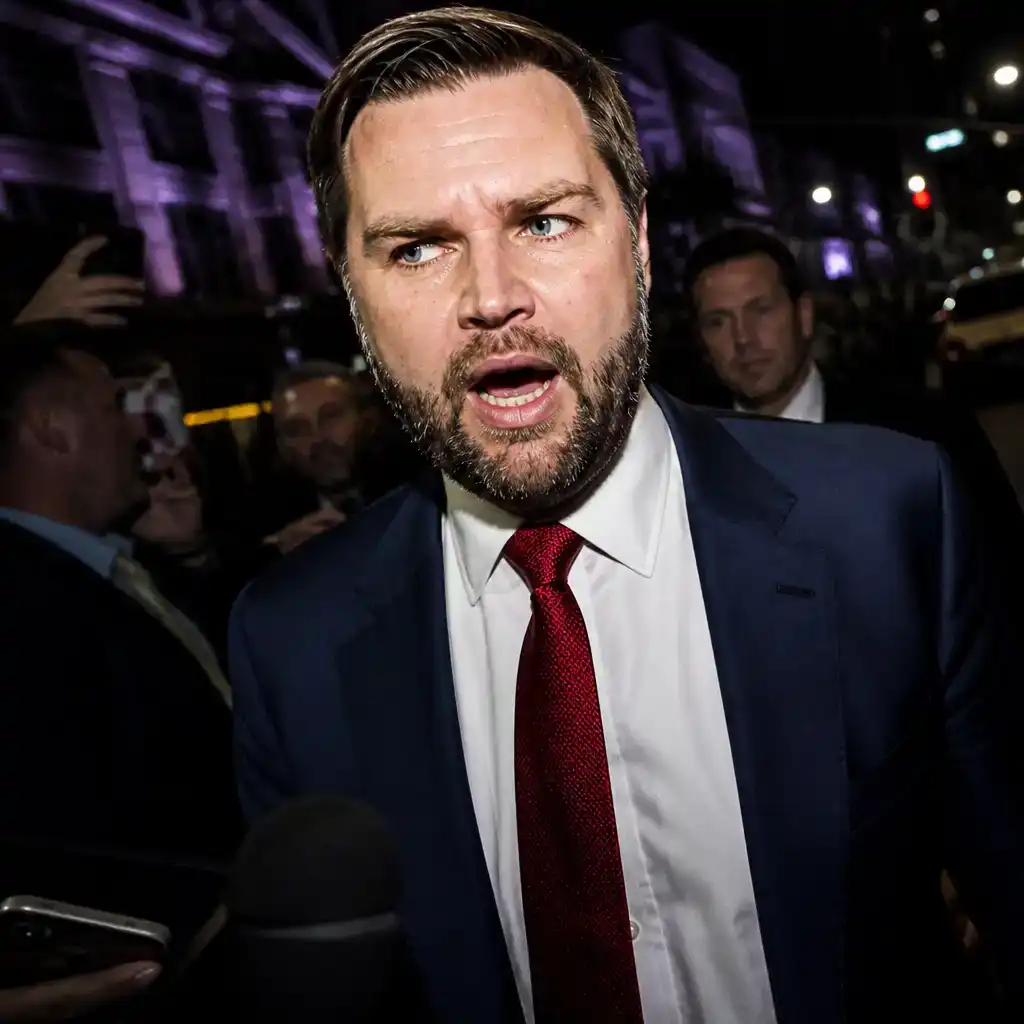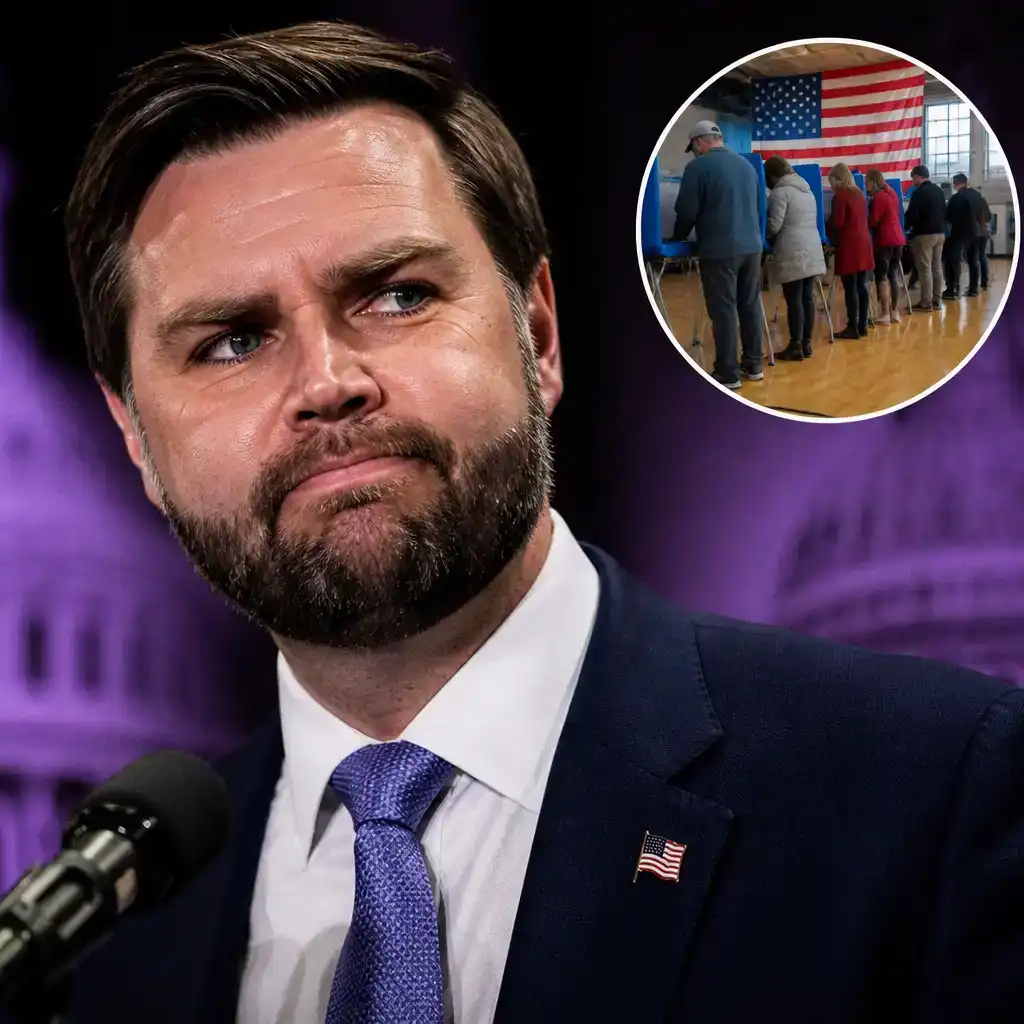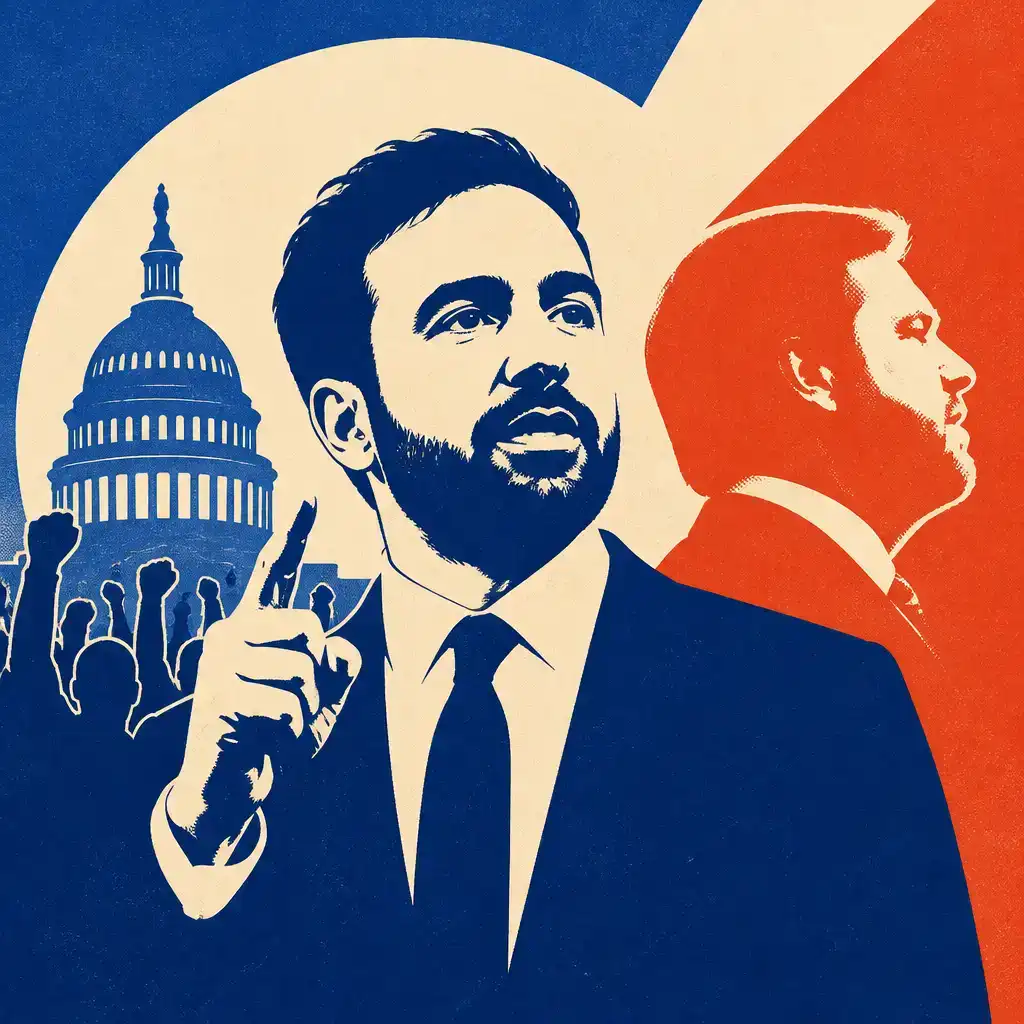
New York City Mayor Zohran Mamdani has delivered a pointed response to Vice President JD Vance following the Democrats' sweeping victory in the 2026 US midterm elections, arguing that Americans struggling with everyday expenses cannot afford to wait another two years for economic relief.
Speaking at a press conference on Wednesday, November 4, Mamdani challenged Vance's pre-election appeal for voters to give Republicans more time to deliver results. The exchange came a day after Democrats secured control of both the House of Representatives and the Senate, dramatically changing the political outlook for the remainder of Donald Trump's presidency.
At the centre of Mamdani's response was a simple distinction: political promises can be postponed, but household bills cannot.
"Americans cannot afford two more years when their rent is due on the first of the month," the mayor said, before pointing to childcare payments and grocery shopping as other expenses families must confront immediately.
What JD Vance actually said before the midterms
Mamdani was responding to comments Vance made during an October 1 appearance on Fox News' Hannity programme, where the vice president urged Republican voters to remain focused on the wider political stakes rather than disagreements with their own party.
Vance argued that Republicans had made progress under Trump but needed another two years to accomplish more. He also warned that a Democratic-controlled Congress would threaten the administration's agenda.
His appeal included a suggestion that supporters should not dwell on grievances about what Republicans had failed to achieve. The comments attracted criticism before Election Day, particularly as the cost of living remained a major concern for voters.
That context matters. Vance was making an electoral argument about maintaining Republican control, rather than directly telling Americans to postpone paying their bills. Mamdani's response turned that political appeal into a broader criticism of the administration's record on affordability.
The election results gave that argument additional weight. According to Associated Press reporting, Democrats flipped at least seven Senate seats and more than two dozen House districts, including victories in traditionally Republican territory.
Mamdani wants Democrats to deliver more than an election victory
Although his criticism of Vance provided the most striking moment, Mamdani's wider message was directed just as firmly at his own party.
During the same press conference, the mayor argued that winning elections would mean little unless Democrats used their new authority to produce tangible improvements in people's lives.
He pointed to concrete proposals advanced by successful Democratic candidates, including universal childcare and efforts to accelerate housing construction, as examples of the policy commitments he believes should guide the party's next steps.
For New York, Mamdani also identified federal food assistance and healthcare coverage as immediate concerns. He criticised changes to SNAP benefits and warned about the potential consequences of federal healthcare policy for residents of the city.
His position was not exclusively about confrontation with Republicans. According to the official transcript released by New York City Hall, Mamdani said he remained willing to work with politicians from either party when cooperation could deliver meaningful improvements for working people.
That creates an important distinction between his political rhetoric and his stated approach to governing: he wants Democrats to pursue an ambitious agenda without ruling out cooperation where it can produce results.
What happens next after the Democrats' midterm victory?
The mayor's call for urgency comes with an important constitutional reality. Although Democrats have won control of Congress, the incoming majorities will not take office immediately.
The 120th Congress is scheduled to begin on January 3, 2027, under the timetable established by the US Constitution. Until then, the outgoing Congress remains in place.
Once the new Congress convenes, Democrats will be able to shape legislative priorities, exercise greater oversight of the Trump administration and challenge Republican proposals. However, control of Congress does not automatically guarantee the passage of major economic reforms.
President Trump will remain in the White House, and legislation will still face the normal constitutional requirements, including presidential approval or sufficient congressional support to override a veto. Senate procedural rules may also complicate efforts to pass ambitious measures.
Mamdani also faces a different political challenge within his own party. When asked whether progressive Democrats should moderate their demands to avoid internal divisions ahead of the next presidential election, his answer was unmistakable: "Foot on the gas."
Yet he subsequently emphasised that Democrats should be judged by what they accomplish rather than simply by their ability to win office.
For Mamdani, the significance of November's electoral victories lies in whether they can eventually translate into more affordable housing, childcare, food and healthcare. The challenge for the incoming Democratic leadership will be turning that expectation into policies capable of passing Congress and producing measurable results.